Vietnam stretches more than 1,600 km north to south. Pack for one climate and the trip starts correcting you at the curb. Scooters part around a woman carrying stacked lunch boxes. Pho stalls open before the tour buses. A day trip that looked cheap on a hostel board turns into four hours of highway. The country rewards people who show up curious. It punishes people who arrive with a brochure in their head.
These ten points change how Vietnam feels once you are inside it. They apply across the north, the center, and the south. More Vietnam notes cover each stop in depth.
1. Vietnam has three climates
Pack layers if the itinerary touches the north, rain gear if it touches the center in fall, and light everything for the south - and ignore anyone who says "it's tropical, you'll be fine." Northern Vietnam (Hanoi, Sapa, Ha Long) has a real winter: mid-November mornings around 18°C (64°F), and December-January near 10°C (50°F) with drizzle that soaks through everything. Central Vietnam (Hoi An, Da Nang, Hue) runs hotter and takes autumn typhoons - September through November can shut ferries and flood streets. The south (Ho Chi Minh City, Mekong Delta, Phu Quoc) stays hot year-round: 32°C (90°F) in March is normal, and storms can flood a side street to ankle depth in twenty minutes.
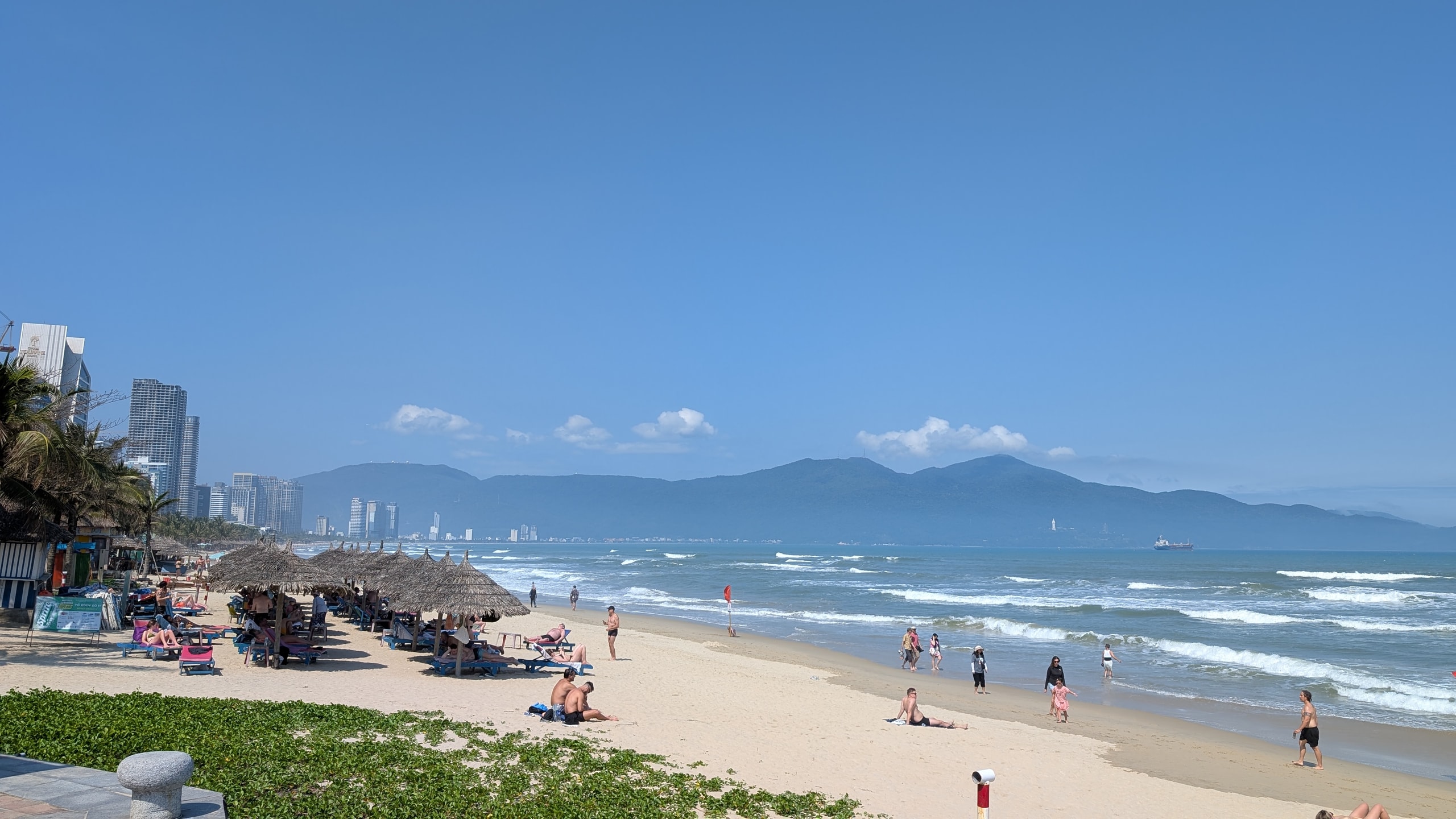
Shoulder seasons still win. March-April and late September-November (outside peak typhoon weeks in the center) mix good weather with fewer coach groups. Peak Christmas-New Year prices are real in Hoi An and on Ha Long boats - pay them only if the calendar forces you. A Da Nang beach day is an easy dry-season add, but it does not replace checking which climate your dates hit.
2. Crossing the street takes practice
Walk at a steady pace, do not stop, do not run, and do not negotiate with eye contact. Traffic in Vietnamese cities does not stop for pedestrians; it flows around them. The swarm adjusts. It feels wrong until it works.
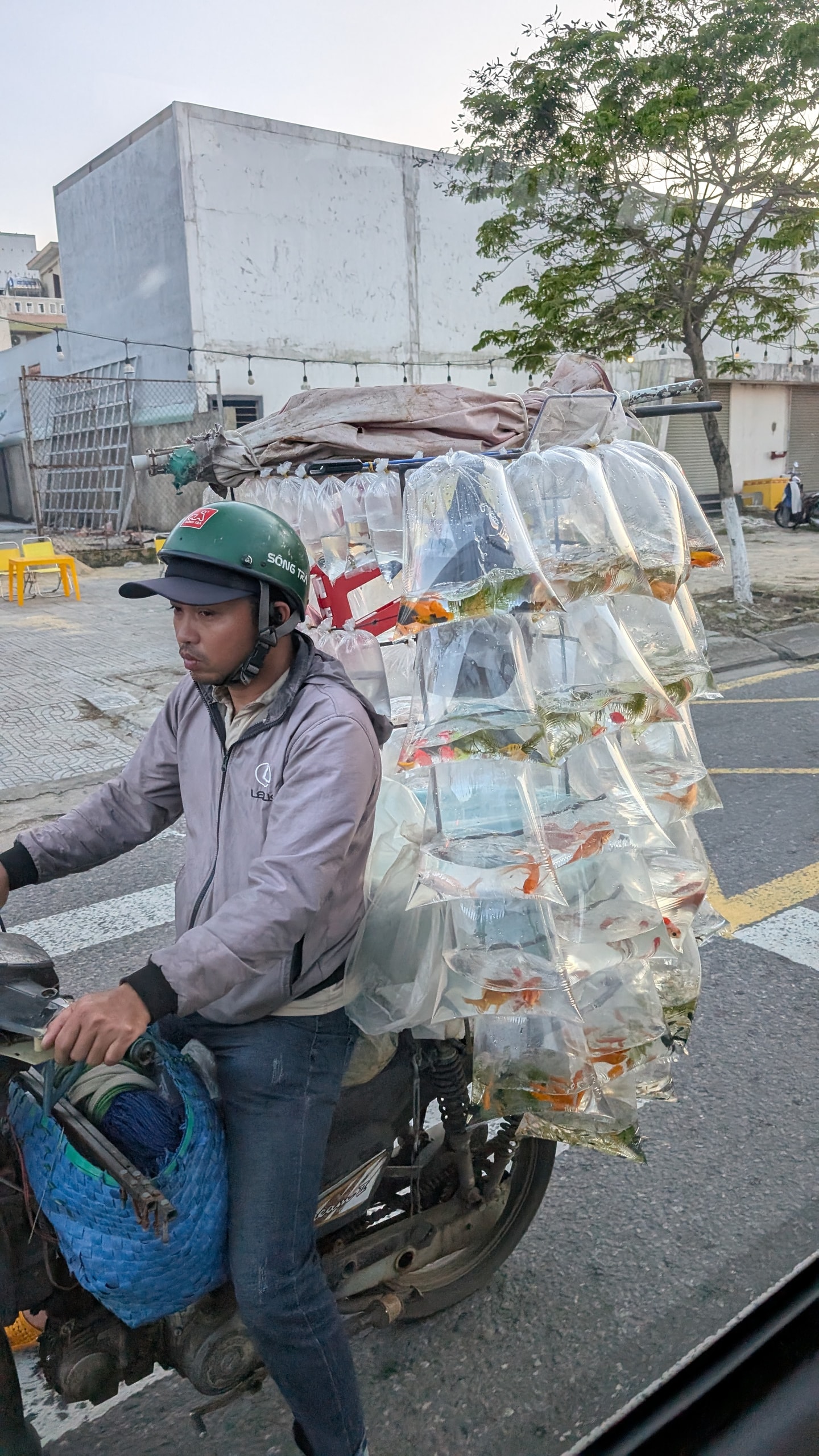
Scooters move fish, fruit, furniture, schoolkids, and families of four. On an ordinary morning a bike stacked with bags of live goldfish rolls past yellow cafe stools - helmeted rider, calm face, nothing theatrical about it. That is Tuesday.
Grab is the backup plan. Central rides run 25,000-45,000 VND ($1-2). Walking still matters in Old Quarter Hanoi and District 1 Saigon, but only after you accept that parked scooters own the sidewalk.
Watch one local cross first. Pick a gap, commit, keep moving. The first time feels like a test. By day three it is how you get to lunch.
3. The e-visa is easy. The first ATM is where people get sloppy.
Use Vietnam's official e-visa portal directly - third-party "visa service" sites skim fees for the same form. Check entry requirements before you book; rules shift, and old blog screenshots age badly.
Budget mid-range around $40-70 a day once you are past flights: clean hotel, street meals, local transport, one paid sight. You can spend less on dorms and noodles. You can also burn $200 on a Ha Long junk without trying. Cash still runs the day - pho, Grab bikes, market fruit, coffee on a plastic stool. ATMs are everywhere in tourist areas; fees add up on tiny withdrawals, so pull enough for a few days and keep small bills. A 500,000 VND note ($20) at a 40,000 VND pho stall creates a negotiation you do not need before coffee.
Cards work at hotels and nicer restaurants. They do not replace cash.
SIM cards at the airport (Viettel, Mobifone, Vinaphone) are cheap and worth buying before you leave the terminal. Data makes Grab work. Without Grab, airport rides become stories told for the wrong reasons.
4. Street food is the point - and coffee is half the country
Follow the stall's schedule. That matters more than any hygiene checklist. Northern pho is morning food; many shops close once the broth runs out. Bún chả owns lunch in Hanoi. Saigon bánh mì carts hit hardest mid-morning and again before dinner. Busy stalls with locals and broth that has been going since dawn: that is the filter. Empty tourist carts at 3 p.m. are a different bet.
A bowl of pho: 40,000-55,000 VND ($1.60-2.20). A bánh mì: 25,000-35,000 VND ($1-1.40). Egg coffee in Hanoi: 35,000-45,000 VND ($1.40-1.80). Triple the price near a landmark with no locals means you are paying for the view of other tourists.
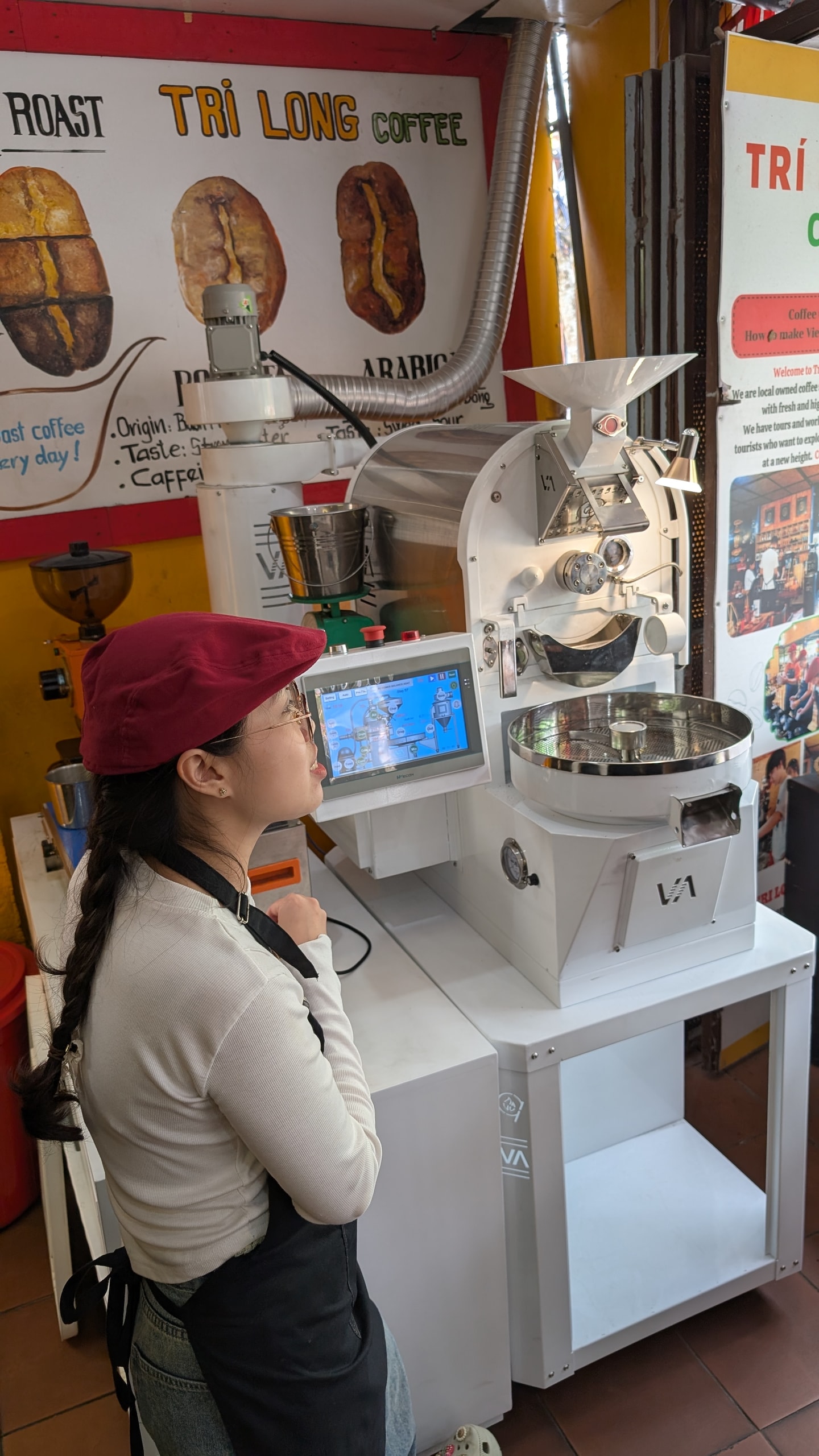
Coffee deserves its own budget line. Vietnam grows a huge share of the world's robusta, and the daily ritual is iced coffee with condensed milk on a low stool, egg coffee in Hanoi, and small local roasters where staff watch a cooling tray like a scoreboard. Spend an hour somewhere that actually roasts. You will learn more than you will from another souvenir lantern.
If the menu is only in Vietnamese, point at what's already simmering in the pot. Most vendors are used to it, and pointing works better than guessing at tones you haven't learned yet. A place with laminated photos and prices listed in three currencies is not a bad meal so much as a sign you've wandered into a spot built for the tour buses, not the neighborhood.
Your stomach will probably grumble at least once in the first week no matter how carefully you pick stalls, and that's just the adjustment, not a reason to eat every dinner at the hotel. Sit where the plastic stools are full and the pot's been going since sunrise. That beats a spotless dining room every time.
5. Day trips have winners and traps - know which is which
Stay overnight on Ha Long Bay if you can - even one night changes the math. The bay is limestone towers in green water. The standard Hanoi day-trip package is four hours on a bus each way, two hours on a boat with fifty strangers, a rushed cave, a buffet, and traffic again by evening. UNESCO's Ha Long page is useful for context; a hostel's $45 express tour mostly fills a brochure. Or skip it and keep the day in Hanoi.
In Saigon, the War Remnants Museum is the history stop that earns a morning. The outdoor yard holds tanks and helicopters that make the scale hard to shrug off before you go inside. The galleries are harder. Go if that history is why you came. Skip checkbox Cu Chi if you only have one free day and the city still feels like a blur - a District 3 coffee stool and a neighborhood walk teach more than another coach lot.

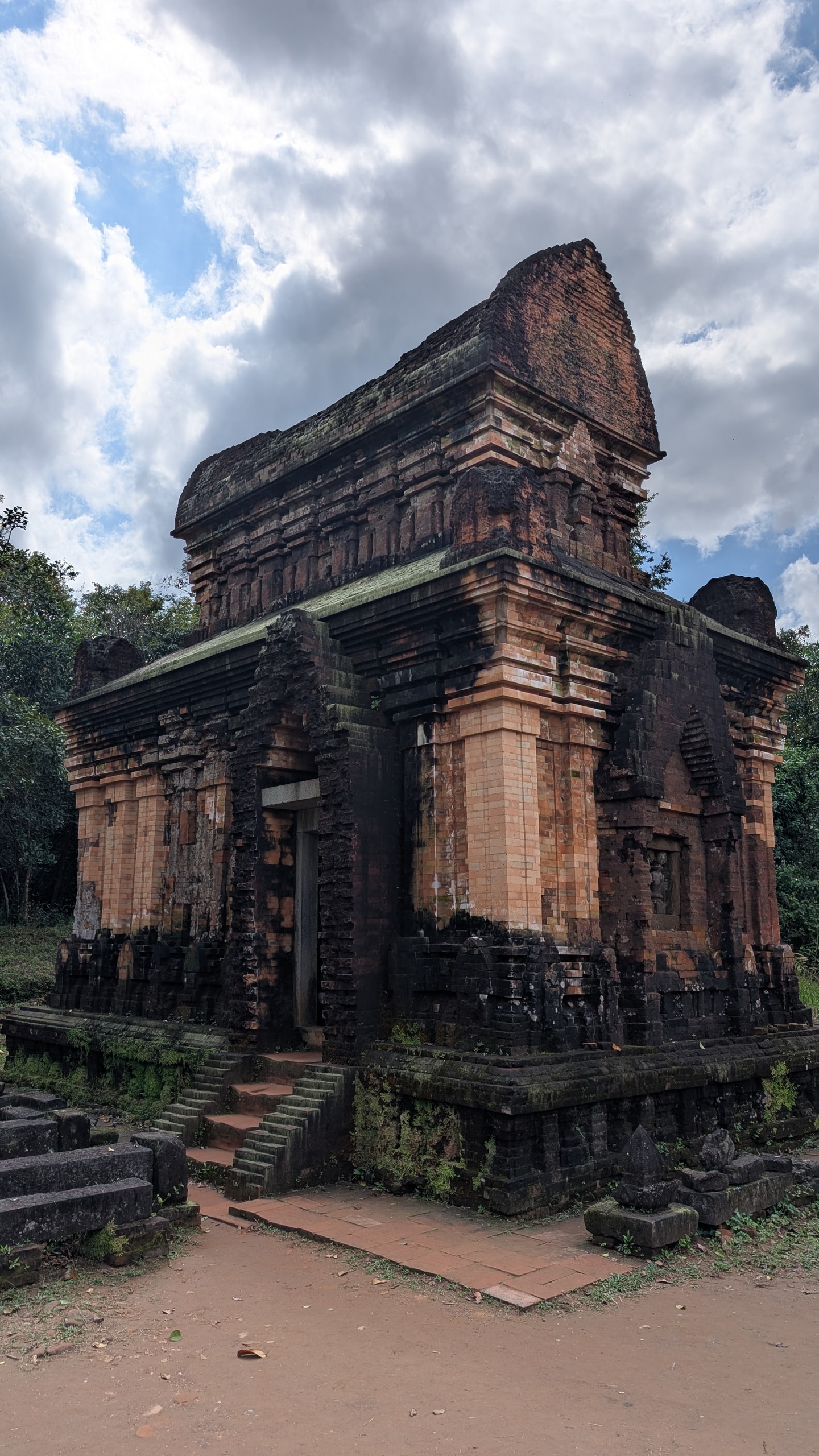
From Hoi An or Da Nang, Mỹ Sơn usually pays off: red-brick Cham towers in jungle heat, a UNESCO site that still feels like ruins. Give it a morning, bring water, and treat Hue as its own day. Trying to squeeze both in means a long bus ride there, a rushed look at the towers, and a drive back after dark.
Same logic everywhere: overnight when the place is why you came; skip when the tour is mostly highway. A famous name alone does not make a good day.
6. Distances lie - fly the long hops, slow down between them
Fly the long north-south legs and save the ground time for shorter hops. Hanoi to Ho Chi Minh City is roughly 1,760 km; the overnight train takes about 30-36 hours. The Reunification Express sounds good in trip reports and feels like 30 hours in a hard seat once you're actually on it. Do it once, for the story, on a trip with time to spare. Don't do it to save $40 when you only have ten days.
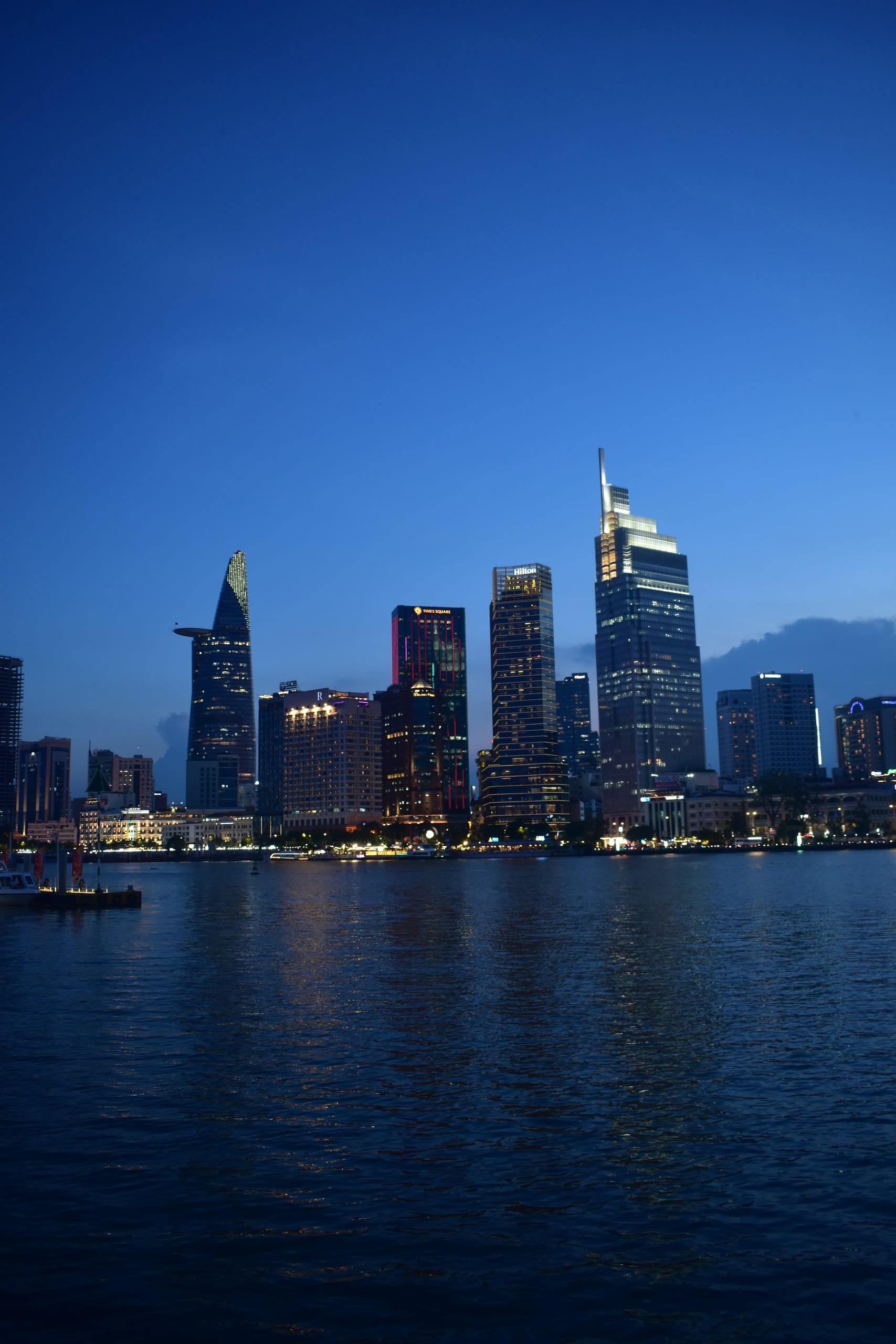
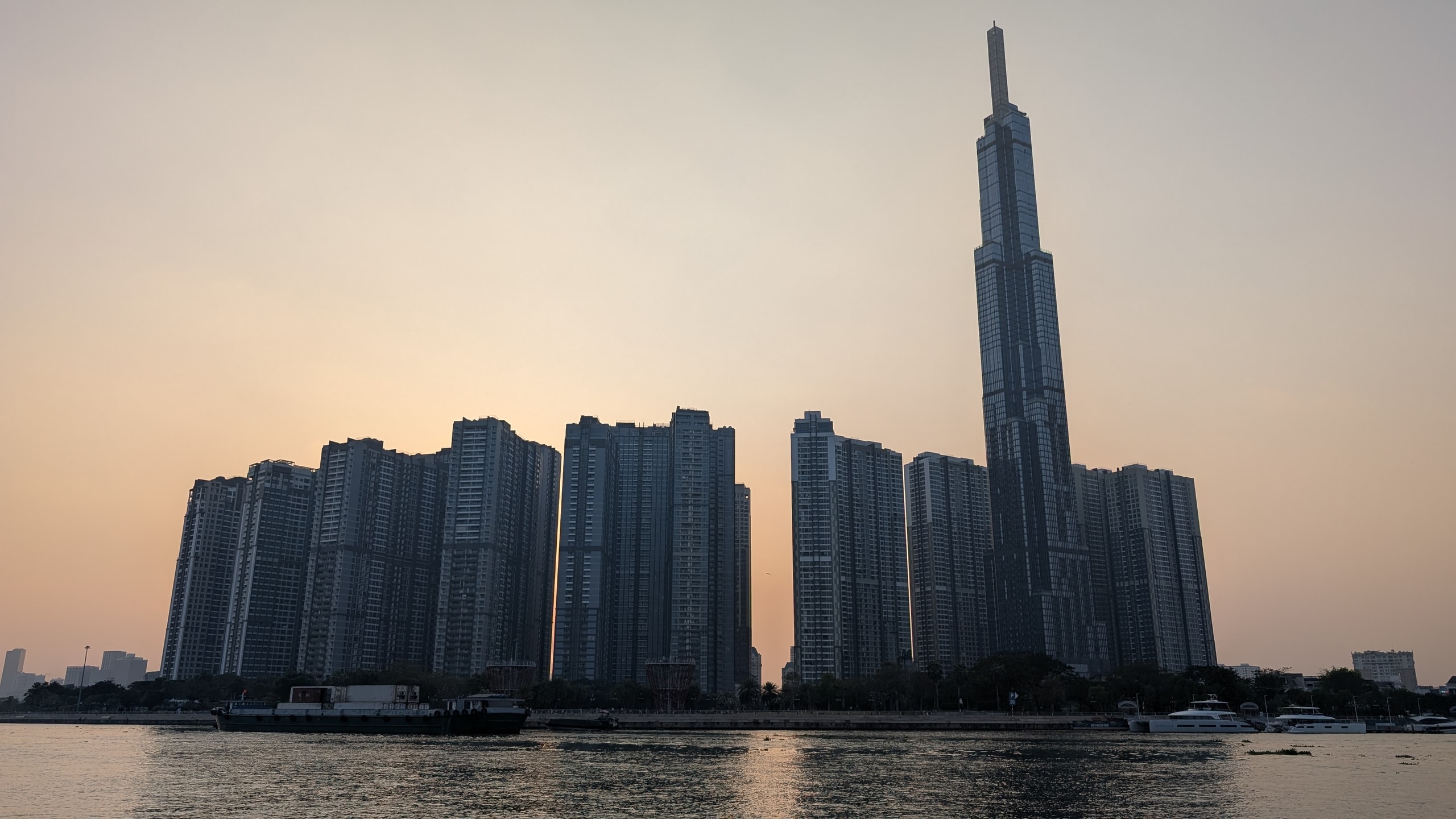
Saigon is a real city: river barges, Landmark 81 in the dusk haze, colonial post office and cathedral in one square, scooters that never sleep. Give it three or four nights if neighborhoods matter more than District 1 alone. Details live in the Saigon guide.
Give each stop real days. Hanoi needs four or five nights if mornings for pho matter. Hoi An rewards three minimum, since the Ancient Town itself is small but the villages and the river are why you stay. Hue needs two if you came for the Citadel and tombs. Trying to "do Vietnam" in ten days by hitting every famous name is how you remember airports instead of the country. Settle into one region, north, center, or south, and let the rest of the map wait for another trip. The destinations posts here are written that way on purpose.
Night buses are fine for shorter hops when you trust the company. Stacking three to save a $40 flight usually means worse sleep and a blurry next day. Four nights in one city beats two nights in three that look the same through a Grab window.
7. Scooter culture will seduce you. Treat rentals like a real decision.
If you already ride well, motorbike travel toward Sapa or along the coast near Da Nang and the Hai Van Pass is one of the great ways to see the country. Everyone looks effortless on a bike here. That ease is the trap.
If you do not: Grab, buses, and trains exist. A hired driver toward Hue or the Marble Mountains often costs less than a bad decision on an unfamiliar clutch. Read the rules on permits, local insurance, and what your travel policy covers for two-wheel accidents before you hand over a deposit.
Helmets that fit. Roads that get wet in ten minutes. Riders who treat lanes as suggestions. Renting is fine when you are competent and insured. It is a poor way to learn in this traffic.
8. Tet will quietly delete your itinerary
Check the calendar for Lunar New Year (Tet) before you lock flights - usually late January or February. For a week or more around it, family comes first. Shops close. Trains and flights fill months ahead. Tourist restaurants stay open; the Vietnam most people came for - markets at dawn, neighborhood pho, ordinary rhythm - goes on pause.
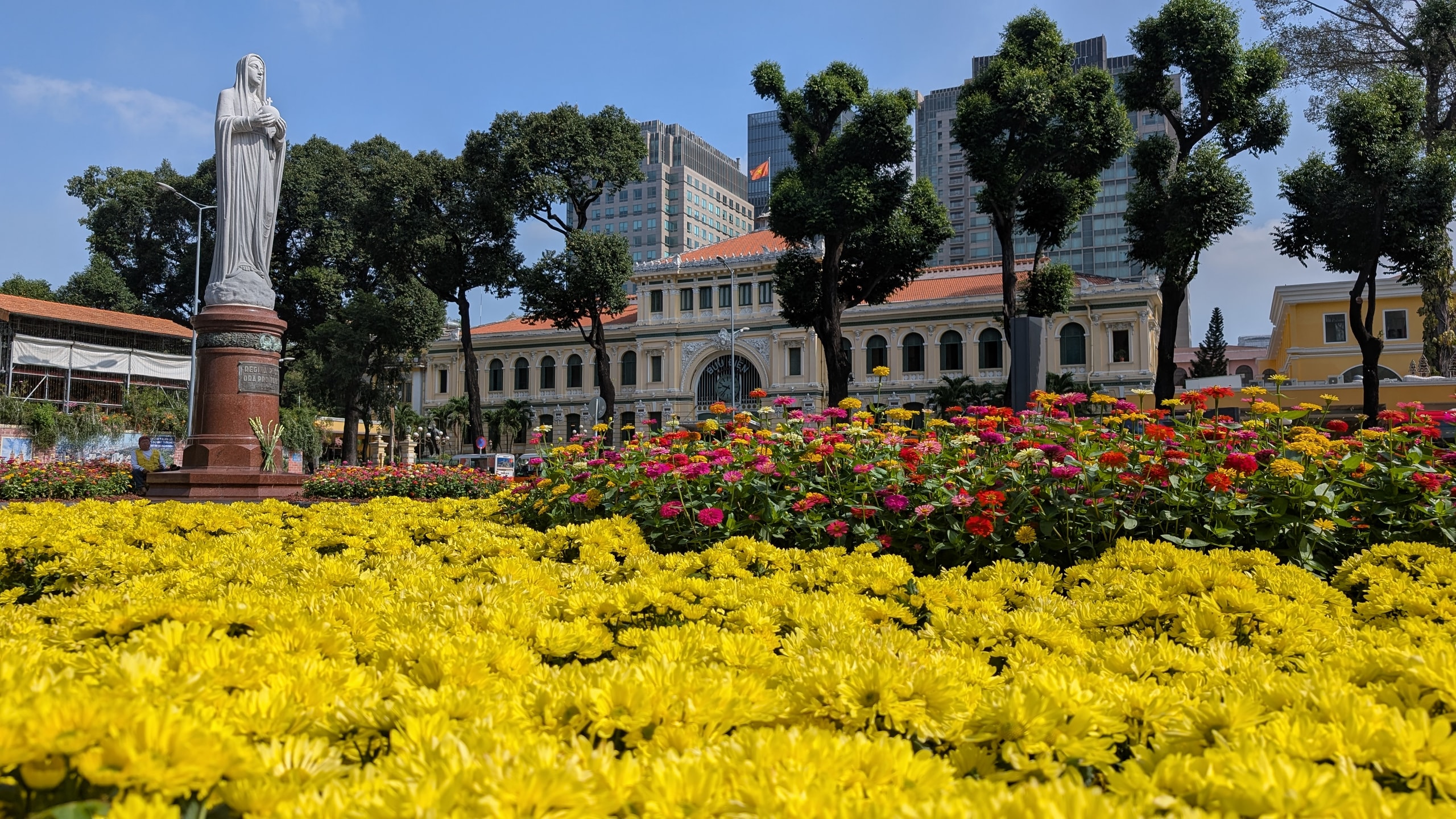
The cities still look dressed for it. In Saigon, Paris Commune Square fills with yellow chrysanthemums in front of the Central Post Office and Notre-Dame - bright, crowded, easy to photograph. That is the public face of Tet. The private face is a steel shutter on your coffee stall and a note you cannot read.
If dates land on Tet, book transport and hotels early or shift the trip. Vietnam then is still possible. Finding out on the morning of a food crawl is a rough way to learn.
9. Central Vietnam needs real nights
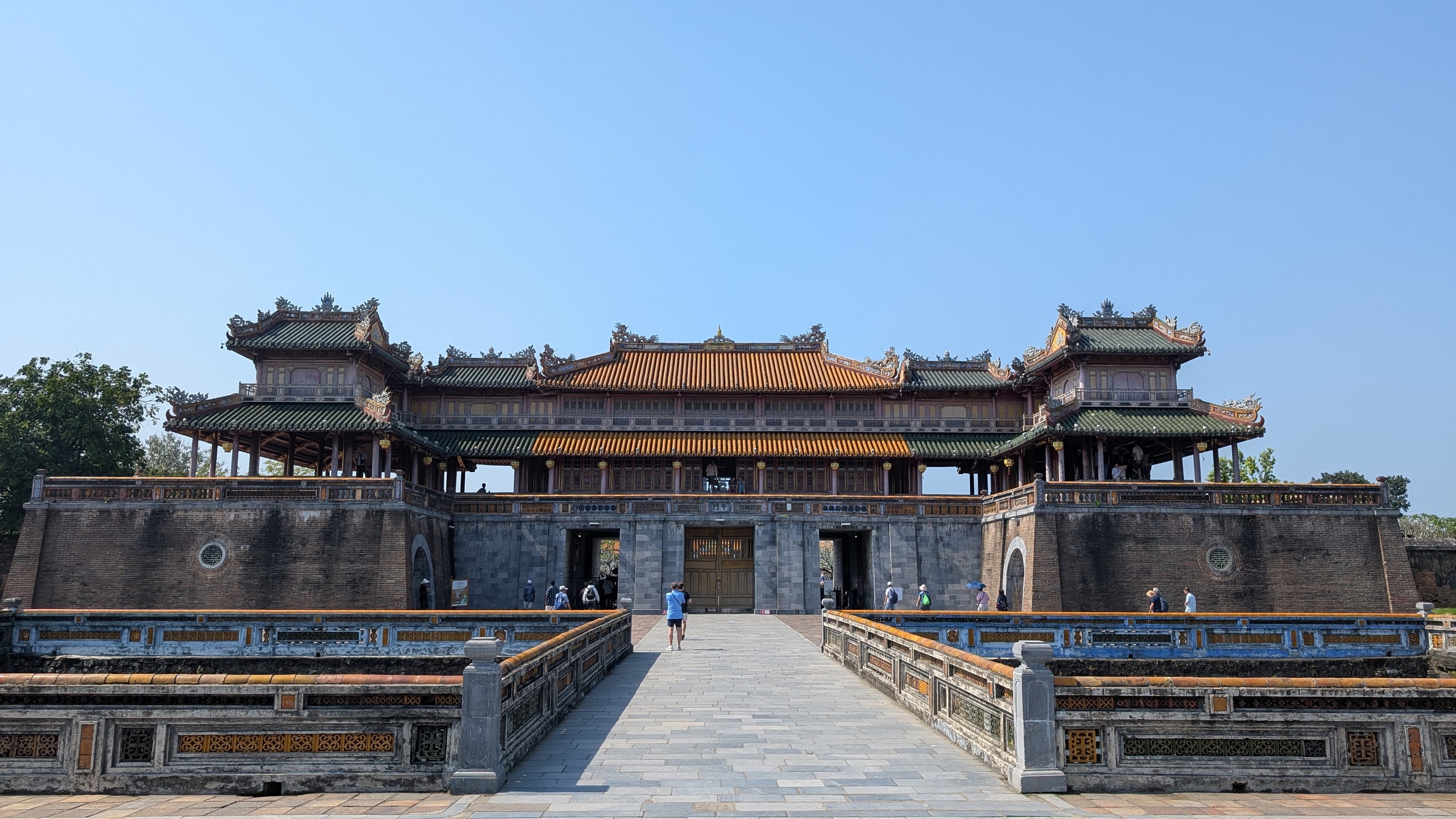
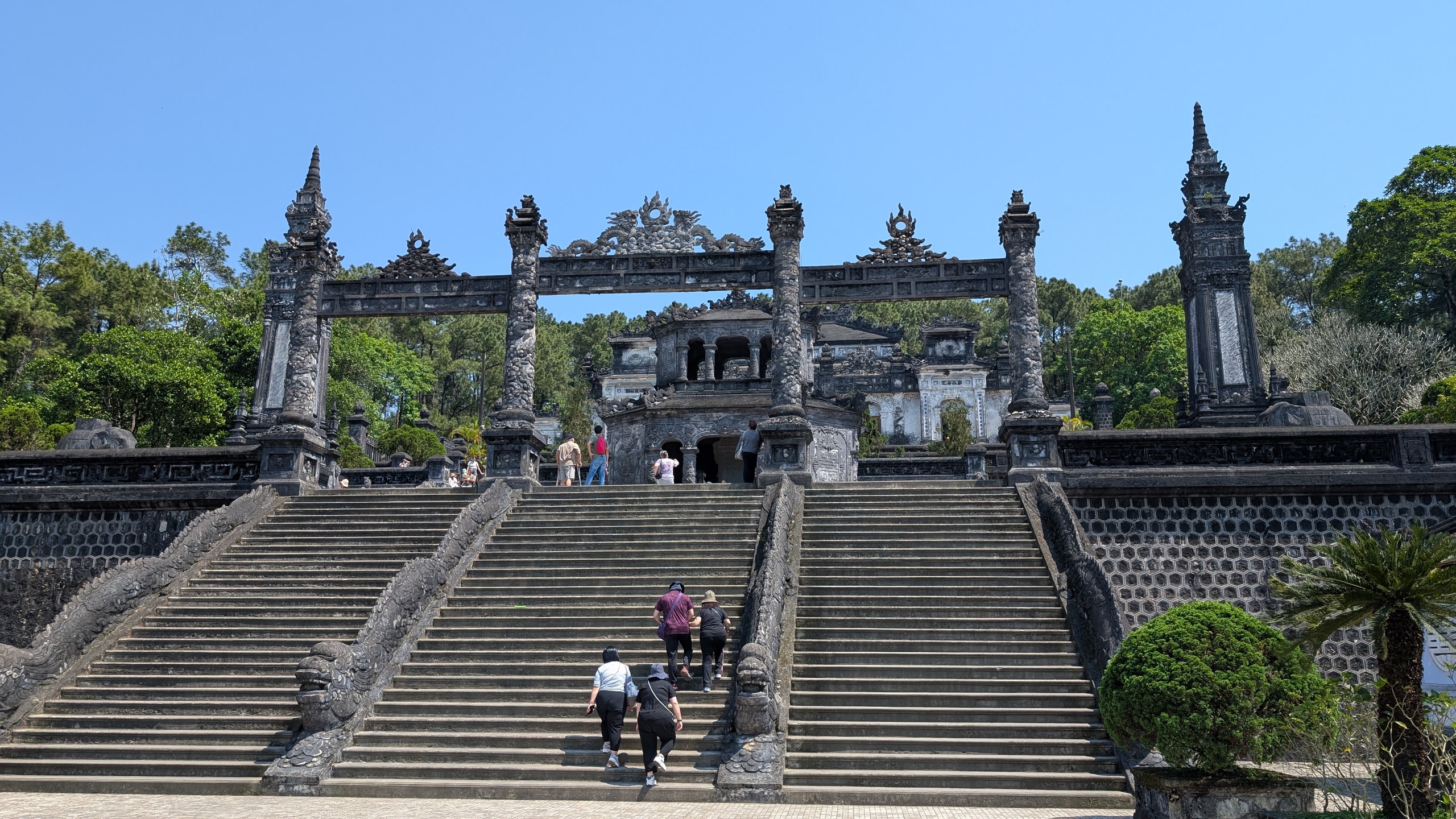
Build the center trip around a base rather than a checklist: Da Nang or Hoi An to sleep, Hue with an overnight, Mỹ Sơn for one morning, the beach whenever the heat gets to be too much. A standard "Hue day tour from Hoi An" packs the Citadel, a tomb, and a lot of highway into a conveyor belt. Hue itself - the Noon Gate across the moat, Imperial City heat, the climb up Khai Dinh's dragon stairs - needs room to breathe.
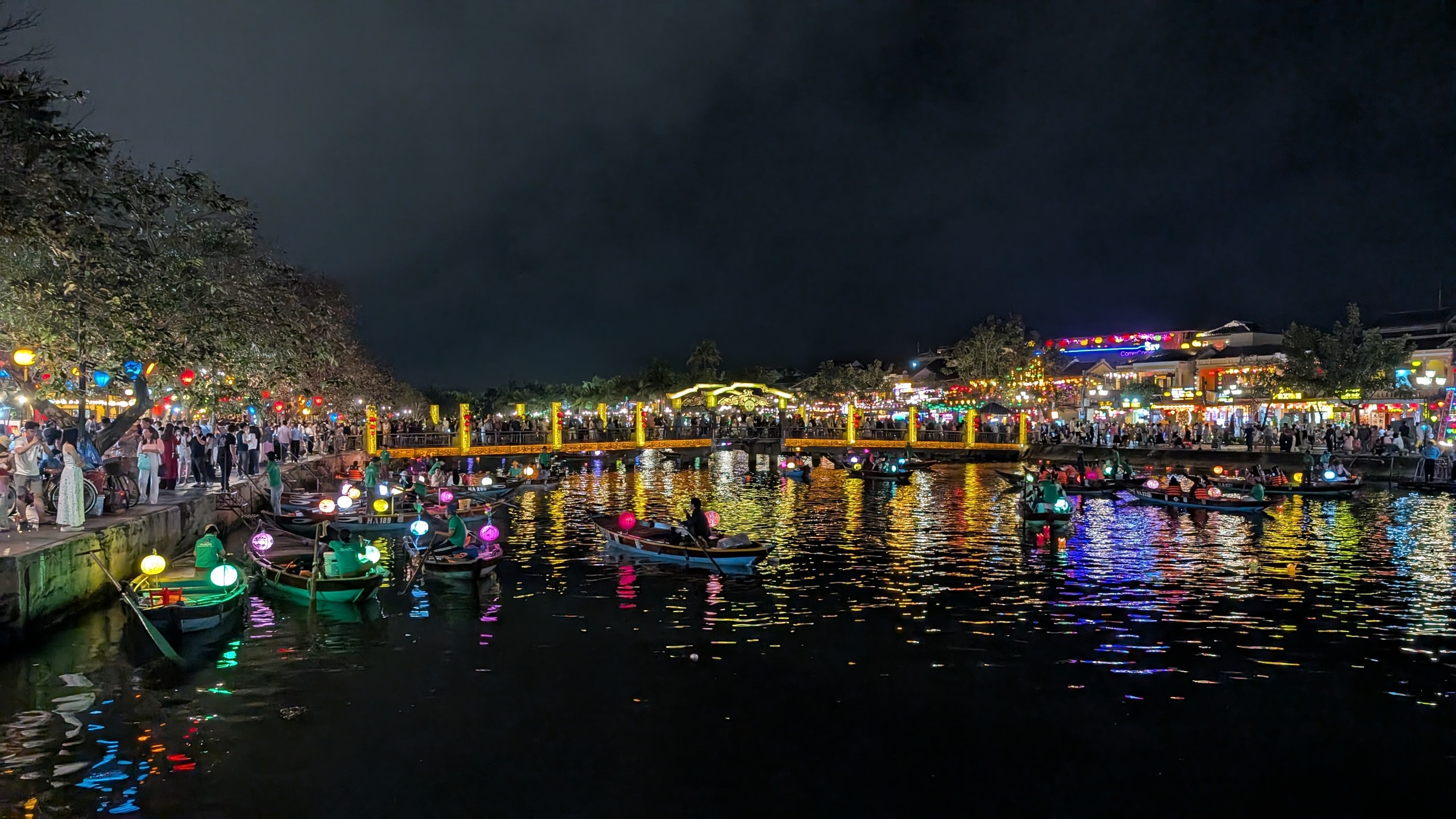
Hoi An after dark is beautiful and crowded. Lantern boats pack the Thu Bon. The bridge fills. Neon climbs the banks. Go once for the picture. Then take a morning when the same streets belong to delivery carts, or stay a few blocks off the river so you are not living next to the souvenir stalls all night. Little Gem keeps the lanterns close without sleeping on top of them.
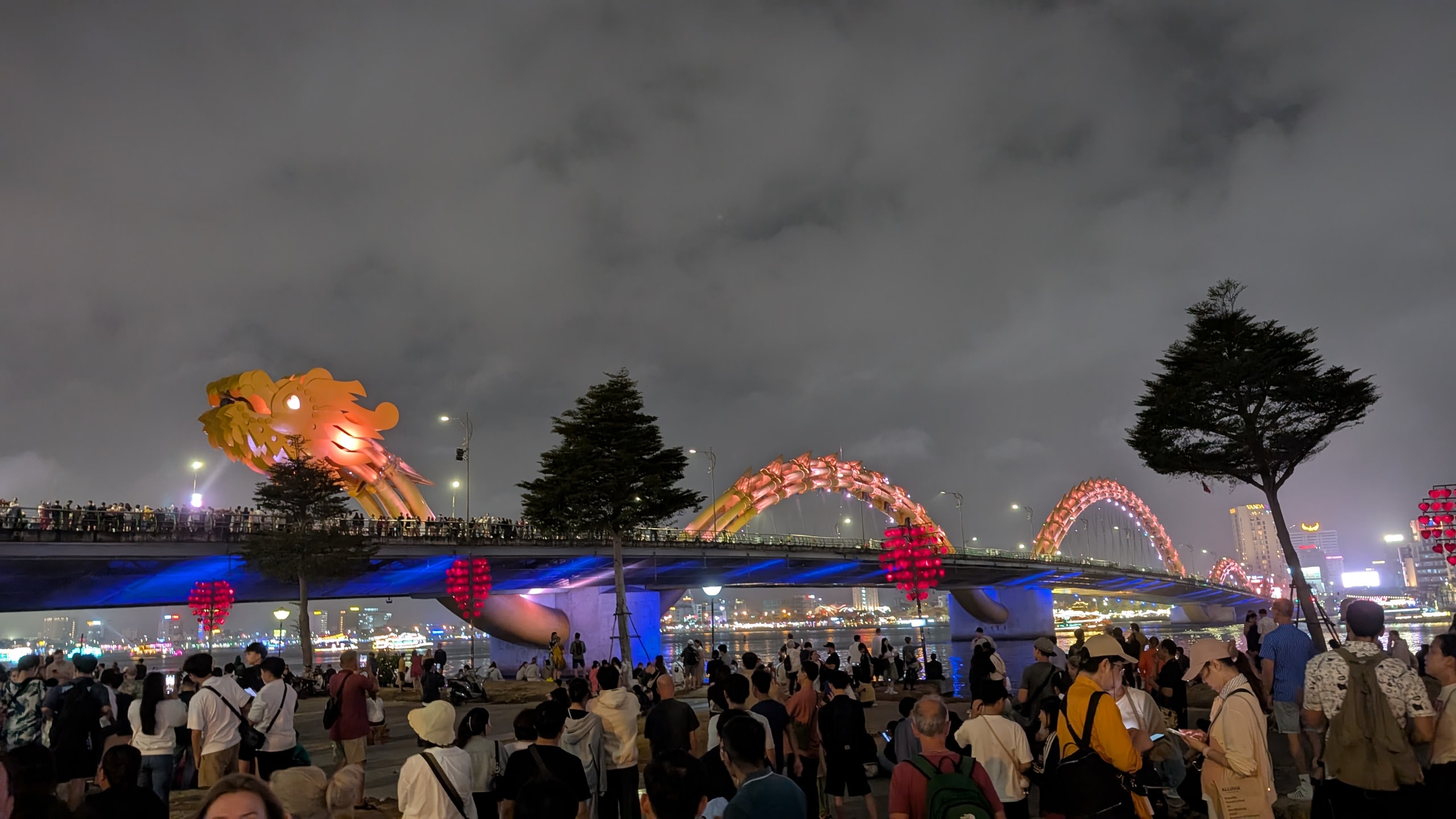
Da Nang is the practical hub: airport, beach, and the Dragon Bridge that draws a riverside crowd when the lights come on. Watch if you are already there on a weekend night. Do not build the trip around it. Lady Buddha on Sơn Trà and the Marble Mountains are easy Grab half days if you want stairs and views.
If you only have one free day from Saigon, spend it in the city. A rushed Mekong package of coconut candy and floating-market photos rarely beats another day walking Saigon. The Delta waits for a trip with two nights in Can Tho. Same rule as Ha Long: overnight when the place is the point.
10. Early mornings beat the coach groups
Hanoi's Old Quarter at 6 a.m. belongs to pho stalls and delivery carts. Hoan Kiem has tai chi before the tour hats show up. Hoi An's river at dawn is a different town from the river at 8 p.m. Ben Thanh in Saigon still functions as a market at dawn; by mid-morning it is mostly souvenirs. Hue's Citadel is kinder before the heat and the coach groups stack on the same bridge.
One or two early mornings are enough. Vietnam's cities are loud. The quiet is temporary and local, and it is when the place makes the most sense.
You can leave these out and still have a good trip: water puppet shows priced for coach groups, Train Street when it is crowded and tense, Bui Vien after one curious walk-through, any tour that promises "Vietnam in a day," and theme-park "Venice" canals on beach islands when the real coast is already outside the hotel.
Cut a few famous names. Keep the nights you already booked in one place - that is usually the better trade.
Two weeks that do not feel like airport collecting
Pick one of these routes and lean on the country pages here for the specific stops.
North-heavy: Hanoi five nights, overnight Ha Long, Sapa or Ninh Binh, fly home from Hanoi. Keep the mornings. Cut the day-trip junk.
Center-heavy: Da Nang or Hoi An for five or six nights, Hue with an overnight, Mỹ Sơn one morning, beach days when the heat asks. Skip the north-south sprint. This is the route that makes a lot of first trips feel good.
South-heavy: Saigon four nights, Mekong two if you can overnight in Can Tho, a beach day if you need salt water - done. Do not glue Ha Long onto the same two weeks unless you enjoy airports.
North-to-south sample (tight): Hanoi four, fly to Da Nang / Hoi An four, Saigon three. That is already a full trip. If you add Hue overnight, cut something else so you still sleep.
Bring a packable daypack. Download Grab before you land. Learn a few words - cảm ơn (thank you) goes further than it should. Then get out of the way of the scooters, sit down on a plastic stool, and let the broth show up on time.
Vietnam runs on its own rules. Know the climates, the street math, the day-trip traps, and the Tet calendar before you lock flights. After that, the country keeps going on its own clock - and you are in a better position to keep up.