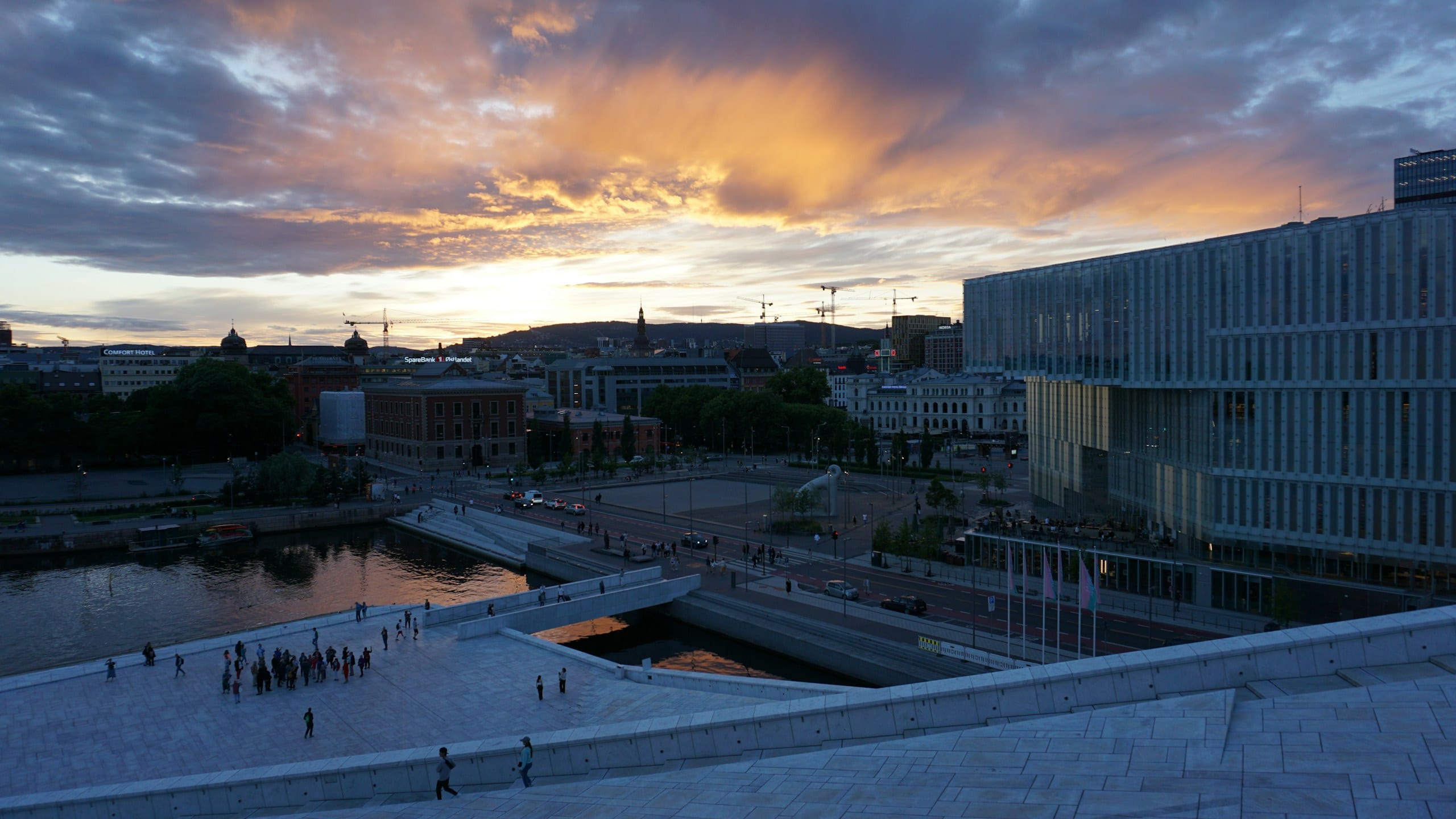
Most Norway itineraries treat Oslo the same way: land at Gardermoen, grab a coffee, and race west toward Bergen before dark. The fjords get the nights. The capital gets a museum sprint and a shrug.
That plan works on a spreadsheet. It also means you never really enter the city. Oslo is about 700,000 people against the inner Oslofjord - a working capital where the water is a commute route as much as a view, and Scandinavian prices arrive without the instant postcard charm. The centre is compact enough to walk. The suburbs climb hills in every direction. Norway’s government sits here - the yellow-brick Storting faces Eidsvolls plass - and oil money shows up as clean buses, heated sidewalks in winter, and an opera house that looks like it could slide into the harbour.
Give it three nights and the city starts making sense.
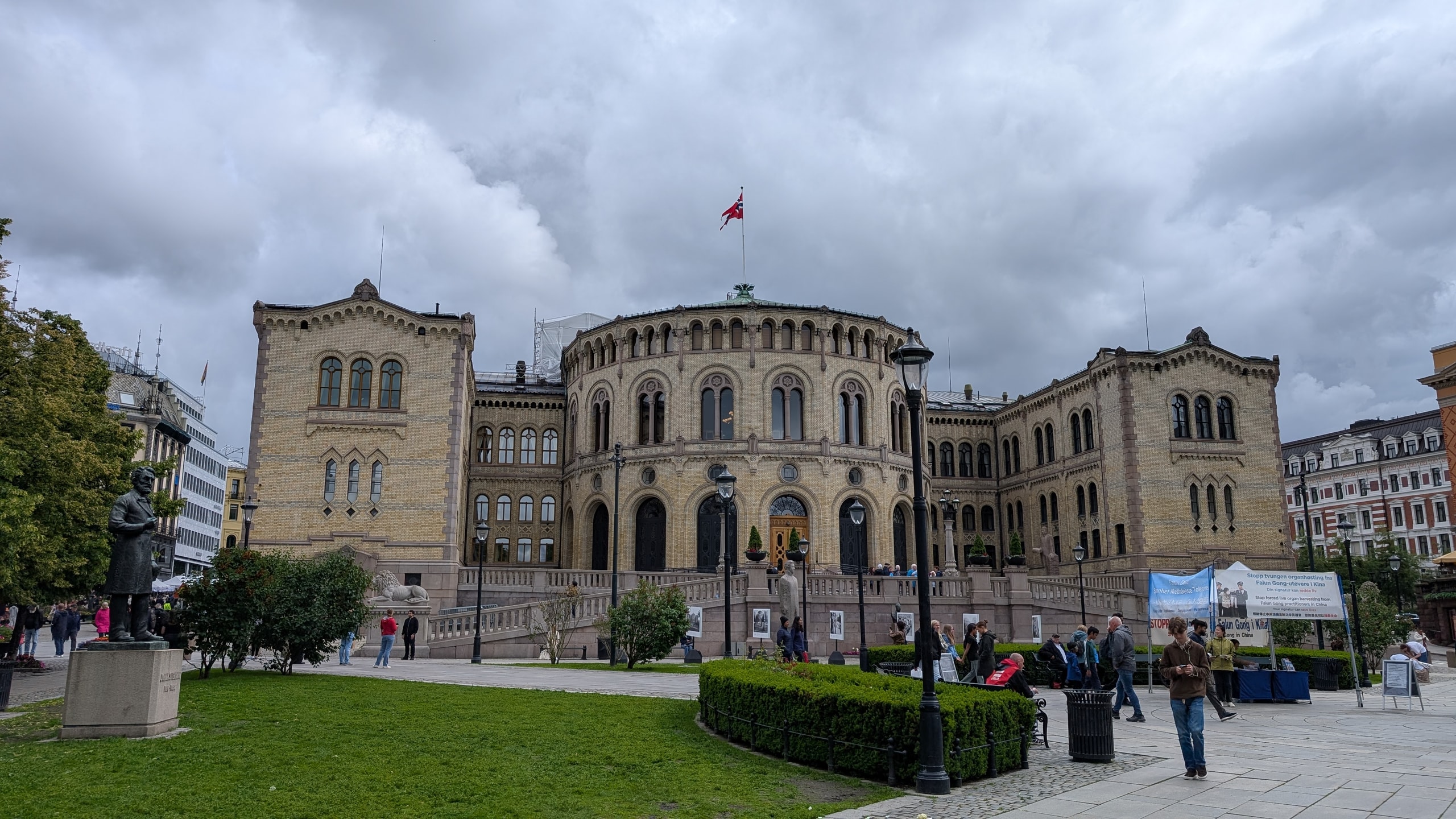
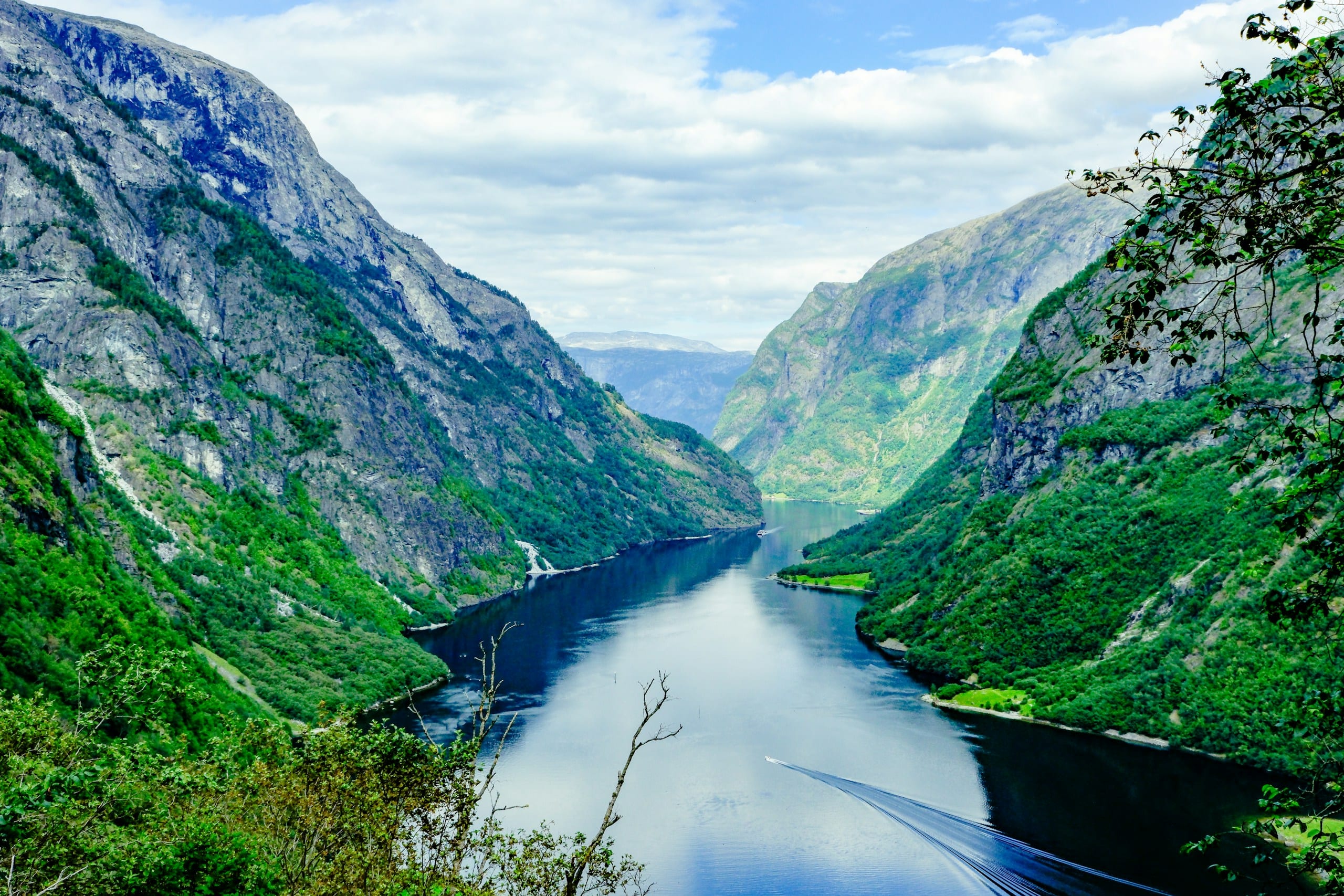
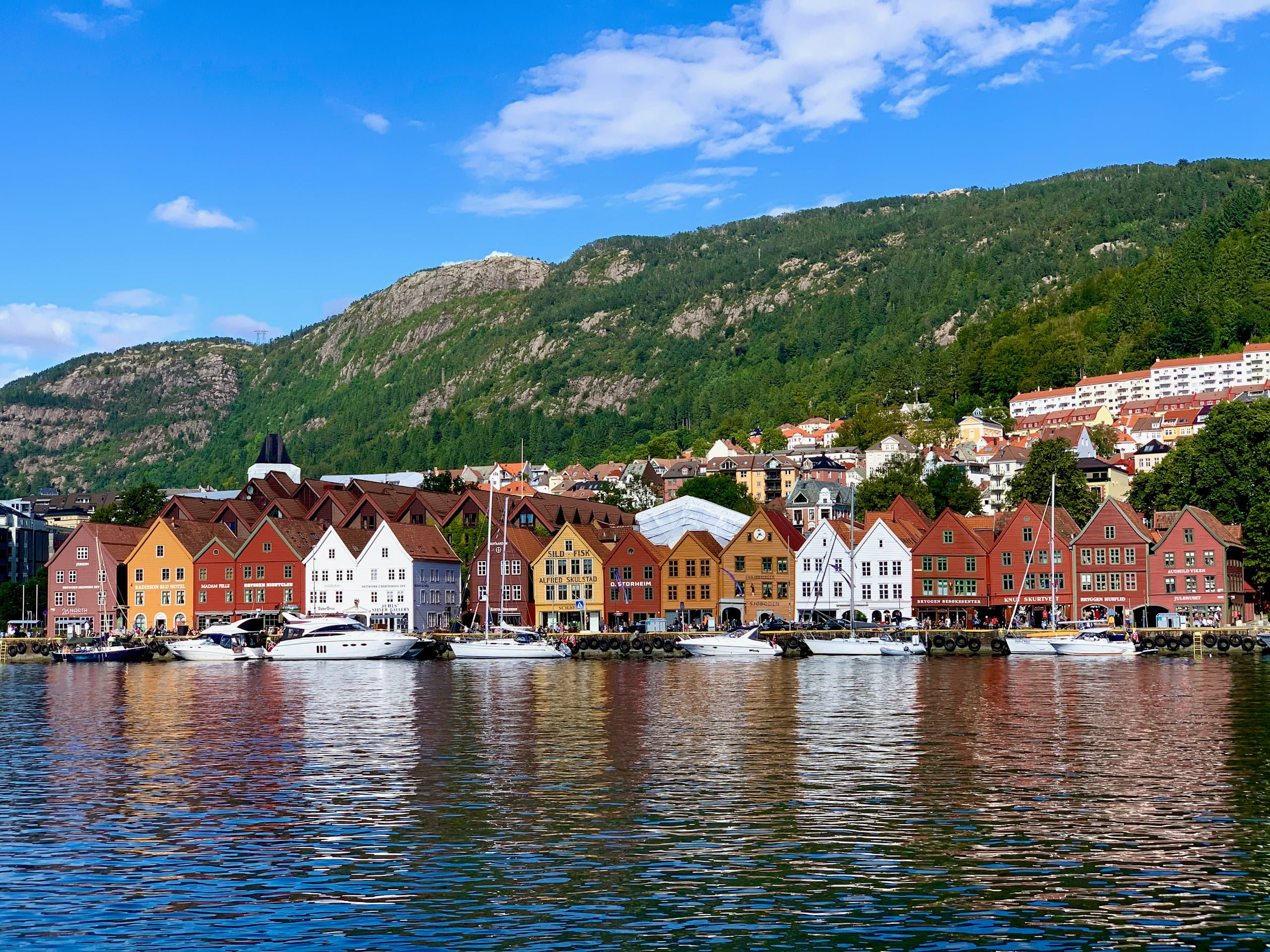
You will not get Bryggen’s gables or Arctic peaks without leaving town. What you get is a northern capital people actually live in: cyclists in rain pants, office workers eating open sandwiches at 11 a.m., a waterfront used for jogging as often as posing. Drier than Bergen, yes - but still pack a shell. Late September light goes early.
Start on the Opera roof
Everyone photographs the Oslo Opera House from the water. Fair. Snøhetta’s building really does look like you could ski off it into the fjord, and on a grey day the white marble looks a bit stained, which somehow still works.
The better move is to walk on the roof. It is allowed. It is free. Climb the angled slabs from the harbour side and end up looking back over the city: red buses, floating saunas, construction cranes, and the green hills that ring the basin. Early morning is quieter. Midday is busier and still worth it.
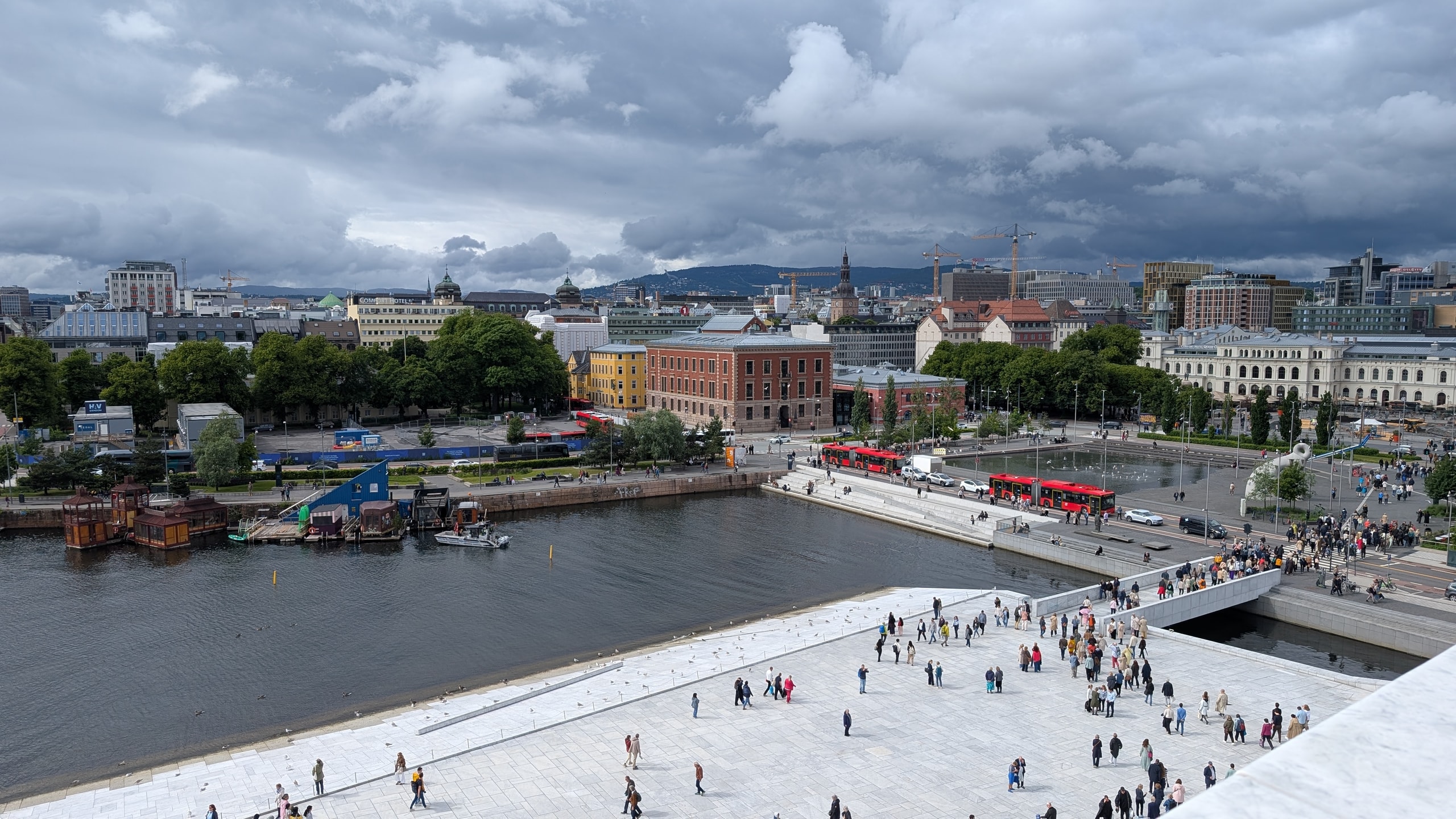
Skip expensive harbour restaurants at lunch unless you have a reason. A $14 shrimp sandwich from a stand near the water, then walk inland when the cruise crowds thin. After 6 p.m. the harbour improves: day-trippers board buses, and the glass towers of Barcode light up.
One museum day that earns the ticket prices
Oslo earns museum time better than almost any other Norwegian city. Start with the ones that have a ship or a scream in them, and leave the checklist alone.
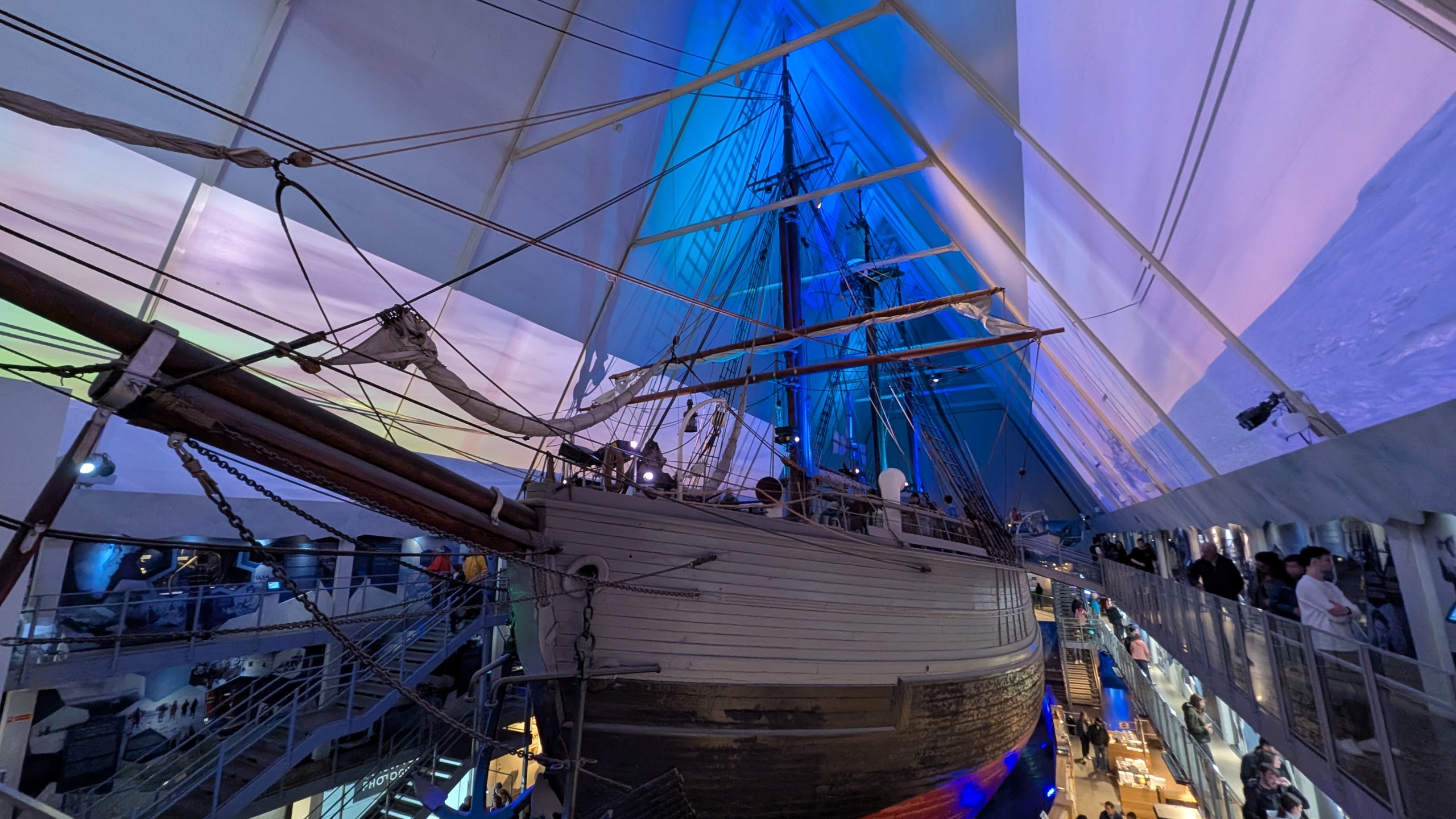
The Fram Museum on Bygdøy puts Nansen’s polar ship under an A-frame roof lit like an arctic night. You walk around the hull on metal walkways, then onto the deck. The ship is the exhibit. Budget ninety minutes. Ferry or bus from the centre.
The Viking Ship Museum next door has been through a long renovation cycle - check what is open before you ferry over. When the carved ships are on view, they earn the trip.
Across the water in Bjørvika, the Munch Museum (MUNCH) is why art-minded travelers should not treat Bergen as culture done. Thirteen floors. Multiple versions of The Scream. Admission about $17; budget two hours. Locals still argue about the building, but the collection justifies the quarrel.
With leftover daylight, Vigeland Sculpture Park in Frogner is free and strange: 212 bronze and granite figures, plus the angry toddler who became Oslo’s accidental mascot. Allow ninety minutes.
Hills, river, and the neighbourhoods people use
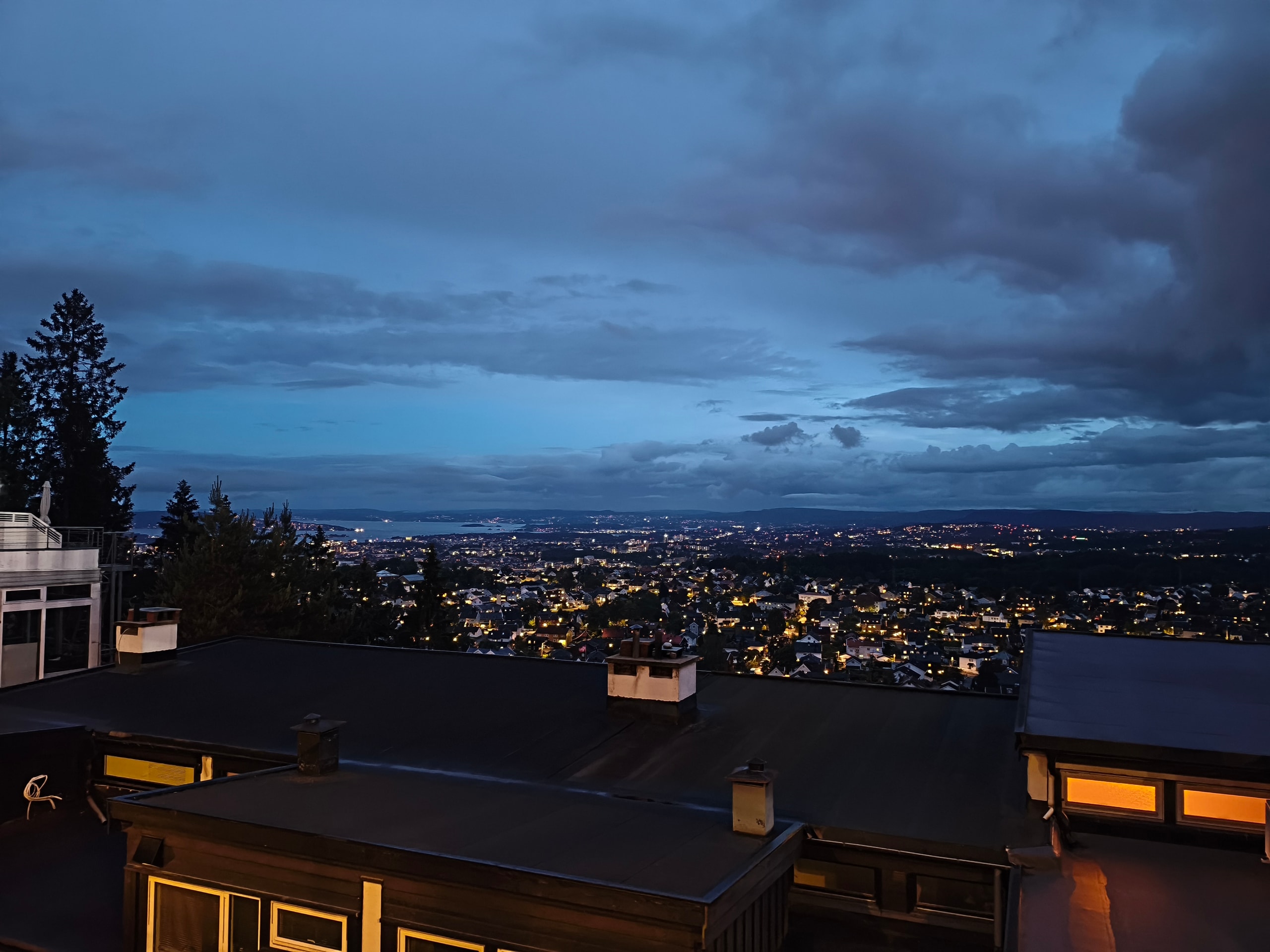
Oslo sits in a bowl: fjord in front, forested hills behind. The Holmenkollen area is the easiest way to feel that geography - tram up, walk around, look down. On a clear evening the city lights spread to the water and the islands go dark first. You do not need the ski jump ticket for the view to work.
If heights are not the mood, walk the Akerselva instead. The river path cuts through Grünerløkka and the old industrial warehouses - free, flat, and better than another loop of the same waterfront. Start near Mathallen with a cinnamon bun that costs more than it should, walk south until you are tired, and you will end near the Opera again.
What a day in Oslo actually costs
Norway is expensive. Oslo is expensive even for Norway. There is no secret that makes it feel like Portugal. Country-level cost reality sits in 10 things to know before visiting Norway.
- Mid-range hotel in Grünerløkka or Sentrum: $150-220 a night in shoulder season, more in July
- Hostel dorm: roughly $50-70; book early
- Lunch: $15-20 (soup, open sandwich, market hall)
- Sit-down dinner: $35-55
- Beer: $11-14; coffee: $5-7 and good
Daily mid-range, honest: $160-240 covering a decent room, tram rides, meals, and one museum ticket. That is steep for a capital - and less painful than pretending Oslo works on $80 a day.
Money savers that do not ruin the trip: Mathallen or a harbour shrimp sandwich for lunch; the Oslo Pass if you hit three or more paid attractions in 24 hours (do the math); Meny or Coop for breakfast; walking the centre. Taxis are a last resort.
Oslo or Bergen - or both
Choose Bergen for fjords on the doorstep, Hanseatic waterfront, and fish soup that tastes like the coast.
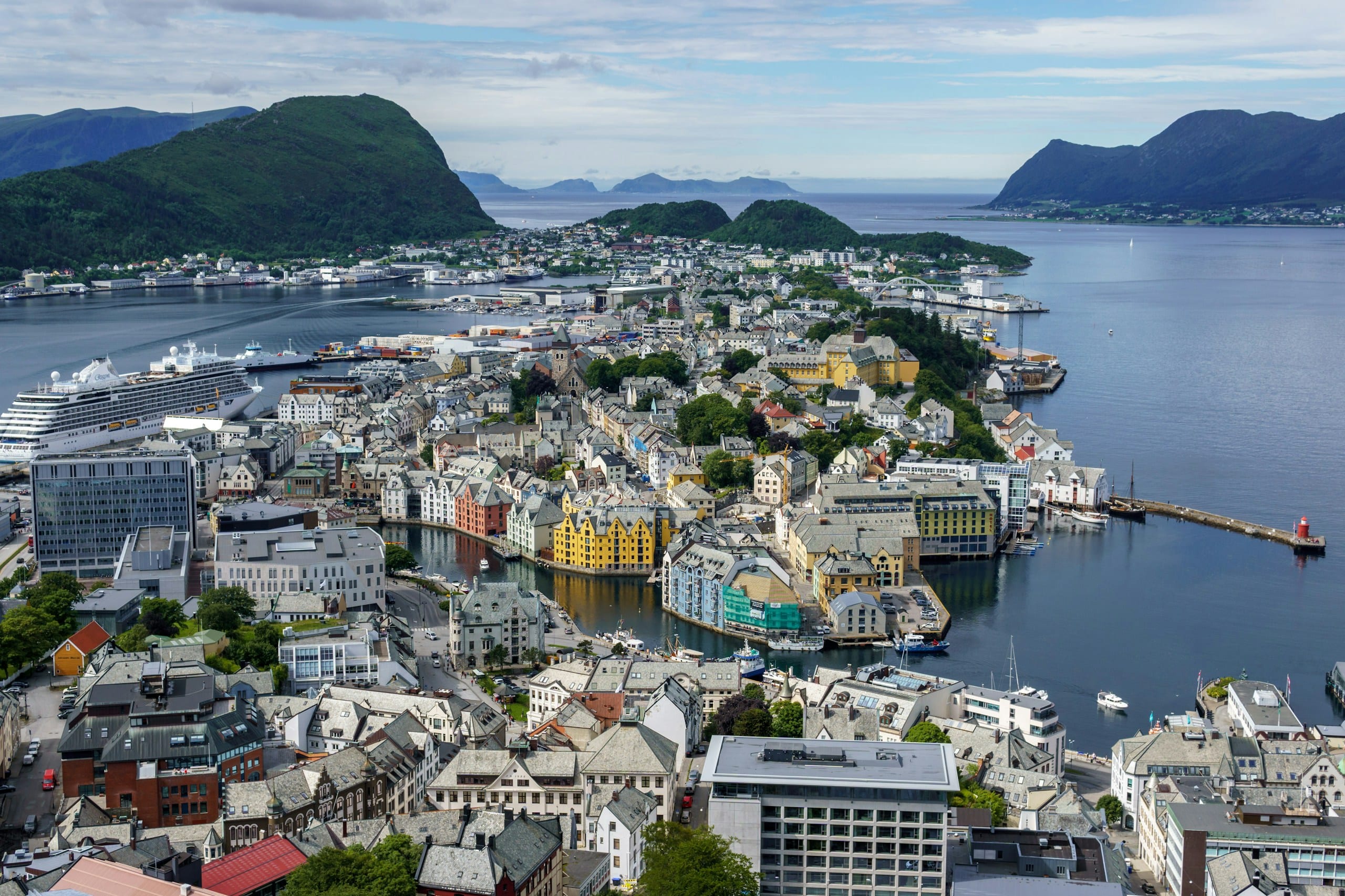
Choose Oslo for museums, contemporary architecture, a capital’s restaurant scene, and day trips without a week on a boat. Flights from Gardermoen reach Ålesund faster than road trips from Bergen.
Do both with eight or more nights. The train takes about six and a half hours. Flying is often faster and sometimes cheaper.
When the capital is easier - and where to sleep
July is warmest, most expensive, and busiest with day visitors at the harbour. Late spring stretches the evenings without peak hotel rates. Autumn is quieter and good for museums and Frogner walks; light fades early. Winter is dark and cold, cheaper for flights, and still works if you came for MUNCH, Fram, and warm rooms - harbour lights come on at 3 p.m. and that is part of the mood.
Grünerløkka - east, café-dense, near the river; best first-visit base. Sentrum / Bjørvika - near Opera and MUNCH; convenient, pricier. Frogner - west, quieter, near Vigeland.
Avoid sleeping only near the airport unless the flight is absurdly early. Gardermoen is about 45 minutes from the centre by train ($22 each way). The city is the point.
A three-night shape that works
Day one: Opera roof early or at dusk, harbour walk, something simple for lunch, evening in Grünerløkka. Skip the museum marathon on arrival day.
Day two: Fram in the morning (and Viking ships if open), MUNCH after lunch, late afternoon in Frogner for Vigeland if your legs still work.
Day three: hills above the city for the view, leftover neighbourhood time, one sit-down dinner you actually want. A fourth day can add a fjord ferry or a longer Akerselva walk - not another lap of the same waterfront.
That pacing is more useful than a bus tour and slower than treating Oslo as a layover.
Should you spend the money?
Yes, if you can give it at least two full days and stop measuring it against fjord postcards. Oslo is expensive and not immediately lovable the way a small harbour town can be. It is also honest, well-run, and full of specific pleasures: a free opera roof, a polar ship under polar light, a sculpture park that costs nothing, a hillside at blue hour.
Leave the one-day bus tour and the plastic-troll restaurants alone. Spend the money on one museum that earns its ticket, one late dinner in Grünerløkka, and the free marble walk on the Opera. The fjords can wait. Sometimes the capital is the trip.