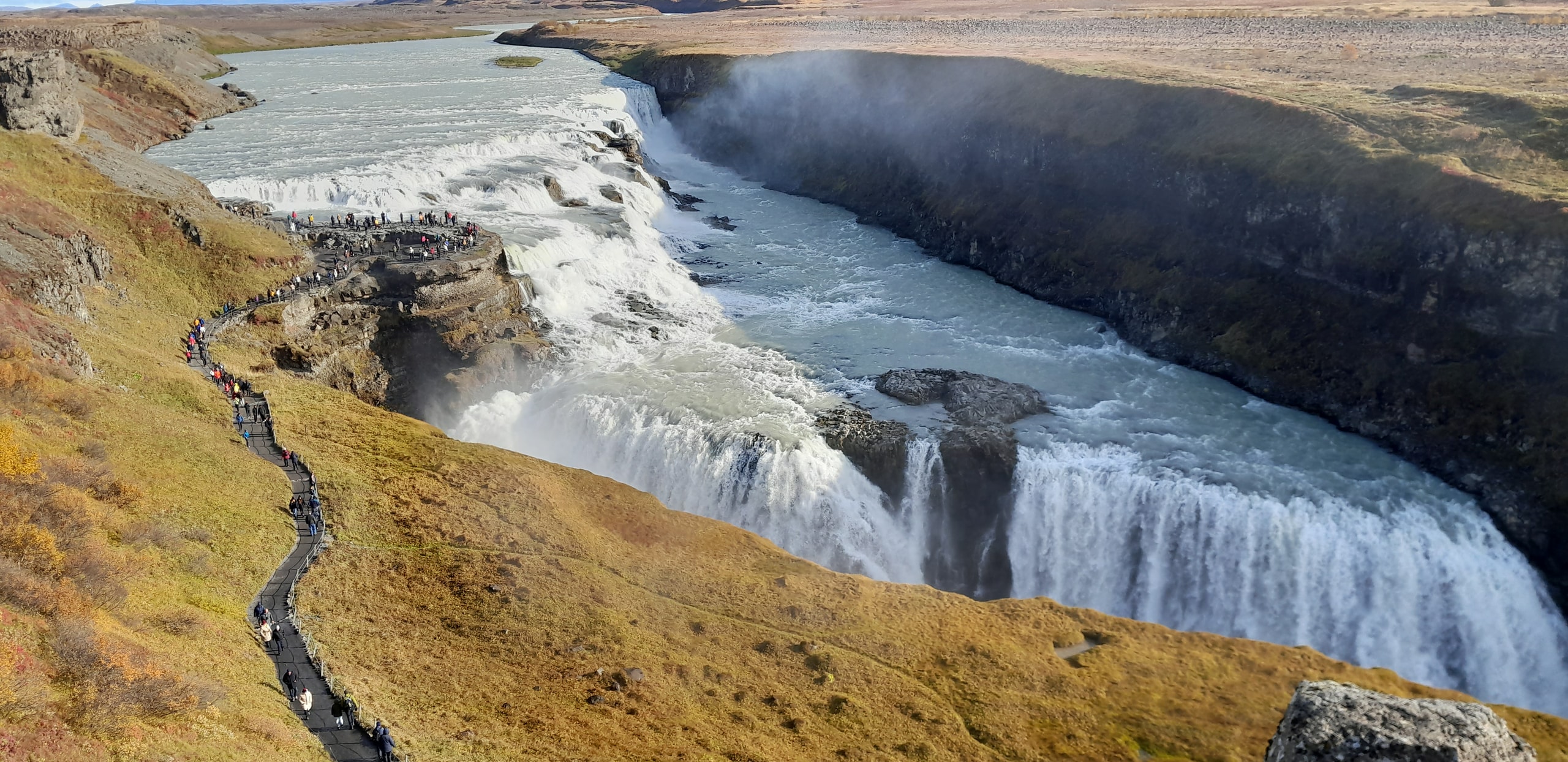
Gullfoss does not look like a postcard when you stand above it. The river turns milky, the canyon swallows the second drop, and the spray hits your jacket before you decide whether to walk closer. Iceland sells itself as fire and ice. On the ground it is wind, wet roads, boiling water with warning signs, and a south-coast drive that takes longer than the map admits.
These ten points change how Iceland feels once you are past Keflavík - whether you loop the Ring Road or stick to the south and the Golden Circle. More Iceland notes will fill in as the map grows.
1. Iceland will empty your wallet - unless you eat like someone who lives here
Budget $200-320 a day mid-range once flights are paid: lodging, a rental car share, fuel, meals, one paid sight or tour. A simple guesthouse outside Reykjavík often runs $140-220 a night in shoulder season. A mid-range hotel in the capital in July can clear $250-350. Fuel for a small car sits near $8-10 a gallon. A sit-down dinner for one with a drink in a tourist-facing Reykjavík restaurant easily hits $45-70. That is not a scare number. That is Tuesday. For a similar Nordic cost shock, see the Norway tips.
You can spend less. You can also burn three days of money on one spa booking and two "experience" dinners without noticing until the card statement arrives.
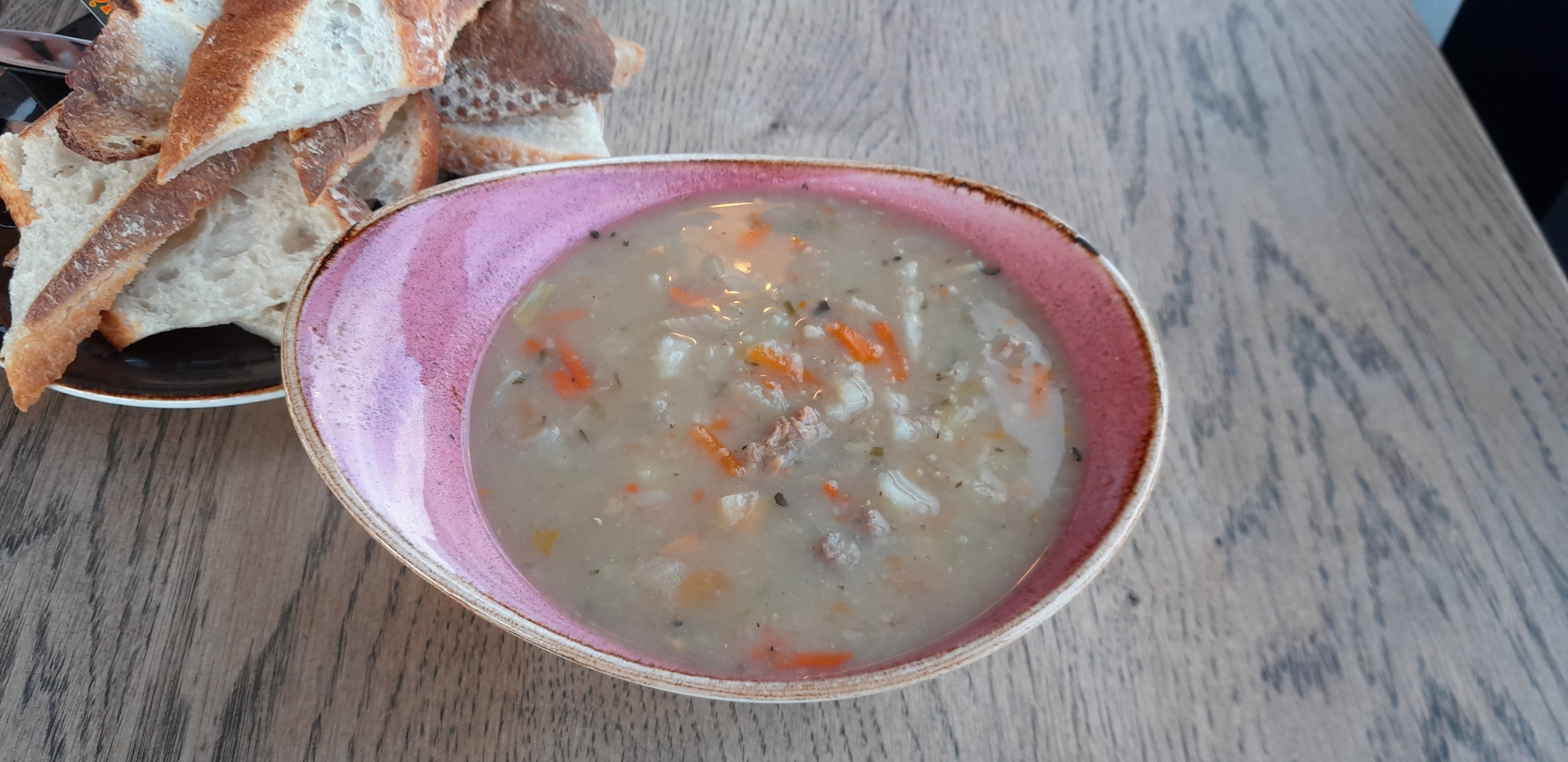
Food is where most people recover. Kjötsúpa - Icelandic lamb soup with root vegetables - shows up in cafés and road stops for roughly $15-22 a bowl. Hot, filling, better than another overpriced burger staring at Hallgrímskirkja. Bónus and Krónan are the supermarket chains that matter. Bread, skyr, smoked lamb, and a thermos of coffee will carry a south-coast day. The hot dog at Bæjarins Beztu in Reykjavík is still a cheap, honest lunch when city menus start to feel overpriced.
Alcohol is expensive in bars. The state liquor stores (Vínbúðin) keep short hours - buy at Duty Free on arrival if you drink later in the week. Tip culture is light; service is usually included. The money disappears on lodging, the car, and impulse tours. Guard those three first.
2. Pack for wind that cancels the plan, not for a summer brochure
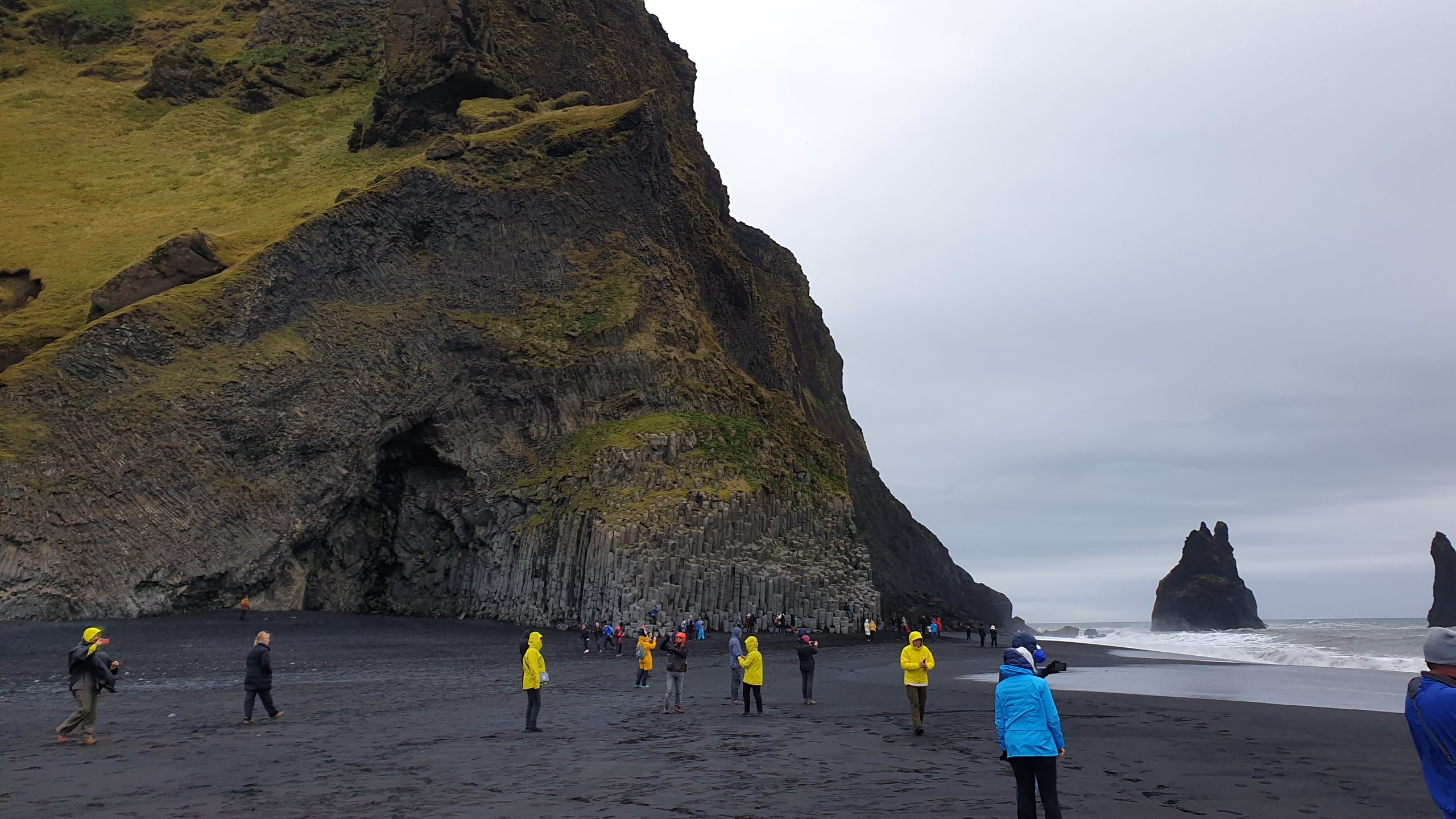
Icelandic weather is a daily negotiation. A clear morning on the south coast can turn into sideways rain by lunch, then a hard blue break that sharpens every cliff. Late September often means wet asphalt, low cloud on the headlands, and tourists in neon rain jackets huddled against black basalt while the Atlantic throws white water at the beach.
Pack a proper waterproof shell with a hood, not a fashion rain coat. Waterproof trousers earn their space on waterfall paths. Layers beat one heavy coat - merino or fleece under the shell, something warm for evenings when the wind finds every gap. Sturdy shoes with grip matter more than hiking boots you never break in; basalt and wet boardwalks are slick. Gloves help even in "summer" at Gullfoss.
Check vedur.is the way locals do. Do not trust a three-day phone icon when a coastal road is involved. Wind warnings are real - rental cars get doors ripped off in parking-lot gusts. Hold the door. If the forecast shuts the highlands or parks a storm on the south coast, rewrite the day. The landscape will still be there tomorrow. A bent door will not.
3. The map lies about time - five days is not the whole island
Iceland looks compact from above. On Route 1, the Ring Road, it stretches. Reykjavík to Vík is roughly two and a half hours without stops. Nobody drives it without stops. Waterfalls, pullouts, weather, and a slow campervan ahead turn that drive into a half day. Pushing past Jökulsárlón toward Höfn and then racing the west or north in the same week is how people remember Iceland as gas stations and apologetic photos through a dirty windshield.
Give the south coast real nights if that is the trip: Reykjavík or the Reykjanes gateway, then Selfoss or Hella, Vík or Kirkjubæjarklaustur, a night near Skaftafell or the glacier lagoon. The Golden Circle - Þingvellir, Geysir, Gullfoss - fits a long day from the capital. Trying to stamp Snæfellsnes, the Westfjords, Mývatn, and the south into one rented week is a spreadsheet fantasy. Pick a region. Go deep. Other place guides live in the destinations archive if you are still deciding what kind of trip this is.
A small 2WD car handles the paved Ring Road and most tourist spurs in summer and shoulder season. F-roads into the highlands are different: often 4x4-only, sometimes closed, and usually forbidden in the cheapest rental contracts. Read the contract. Check road.is before you invent a shortcut. Gravel is common even off the F-system. Slow down - a cracked windshield can cost more than the hotel you were rushing toward.
4. Black sand beaches are beautiful - and the ocean does not care
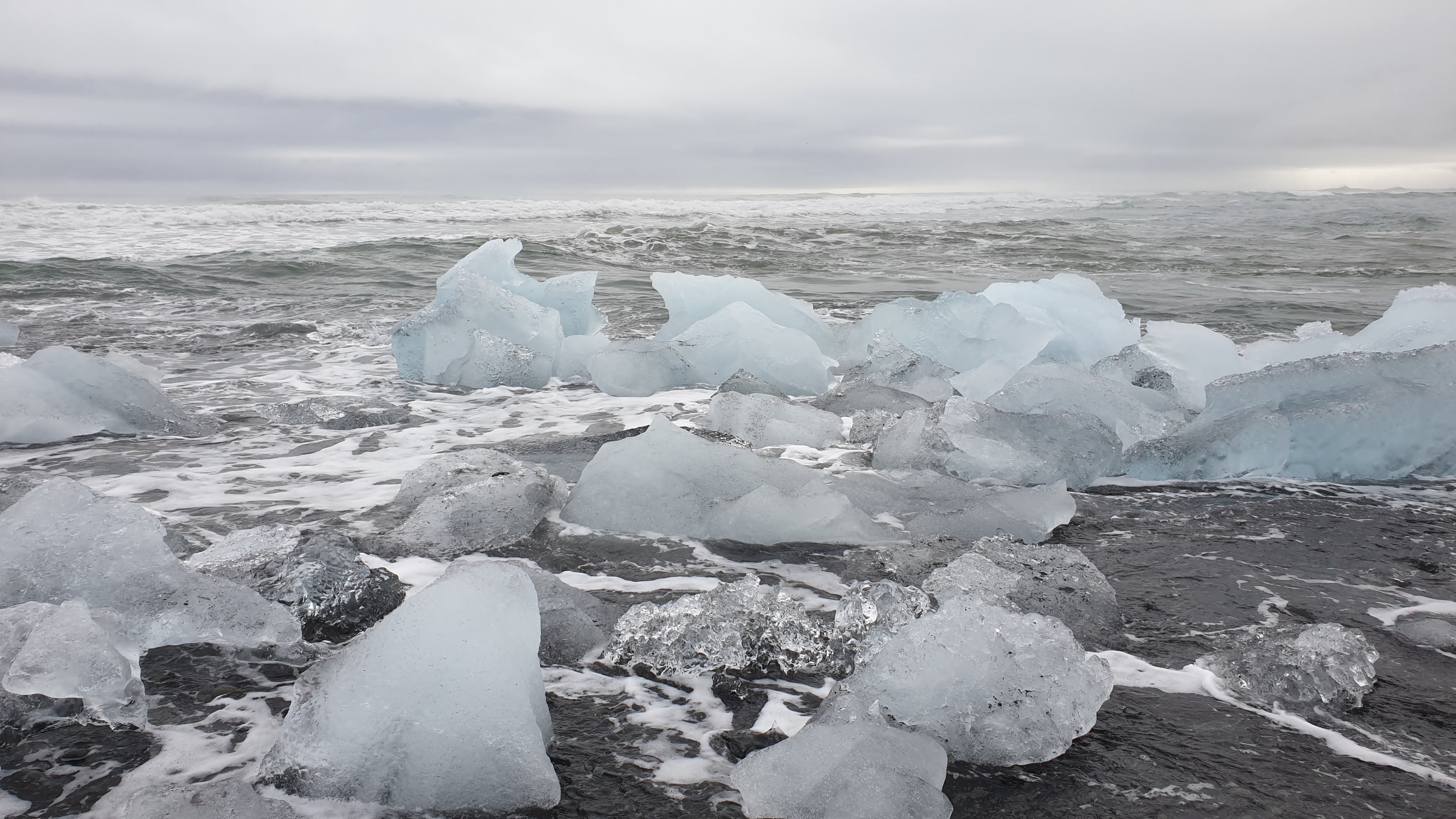
Reynisfjara and the stretch toward Dyrhólaey look severe up close: charcoal sand, hexagonal columns, sea stacks in the surf. Diamond Beach, where glacier ice washes up on black sand near Jökulsárlón, looks quieter and somehow stranger - clear chunks of ice on wet volcanic grit while the next wave rearranges them.
Sneaker waves are the unglamorous fact. The Atlantic can throw a larger wave farther up the beach than the pattern you just watched for two minutes. People get pulled in. Stay farther from the waterline than feels dramatic. Turn your back on the ocean only when you have already stepped well inland. Keep kids close. The warning signs at Reynisfjara are not decoration for the parking lot.
Ice on Diamond Beach is slippery and unstable. Climbing the biggest blocks for a photo is how ankles bend the wrong way. Enjoy it from a sensible distance. The picture is still good.
5. The Golden Circle is a warm-up, not the whole country
Þingvellir, the Geysir geothermal area, and Gullfoss are famous for good reasons. You can walk a rift valley where the North American and Eurasian plates pull apart. Strokkur throws boiling water into the air every few minutes while a ring of phones waits for the next plume. Gullfoss drops into a canyon with enough spray to soak a lens. Kerið - a red volcanic crater with a teal lake - is an easy add on many loops if you want one more geological punch before the drive home.
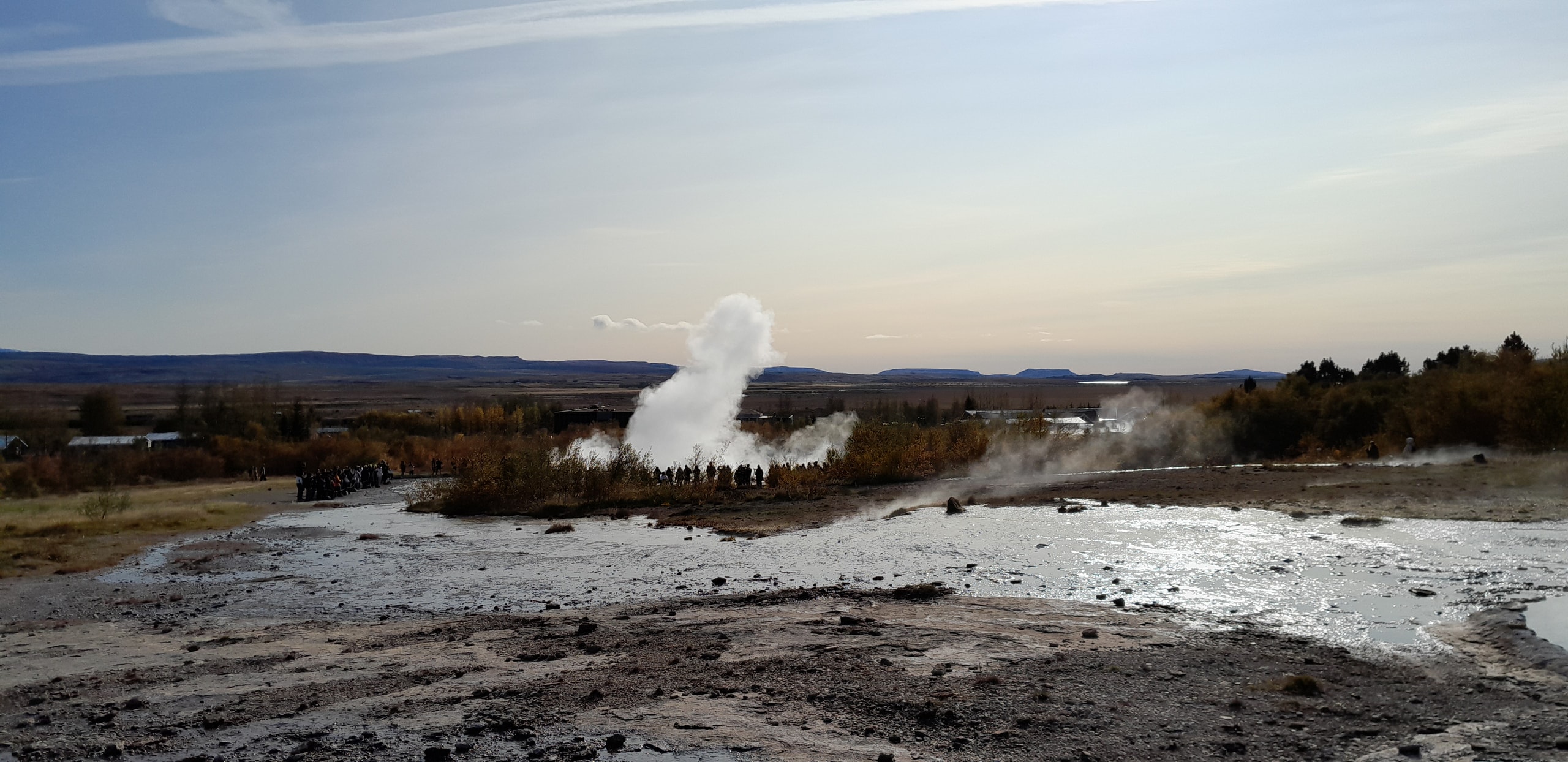
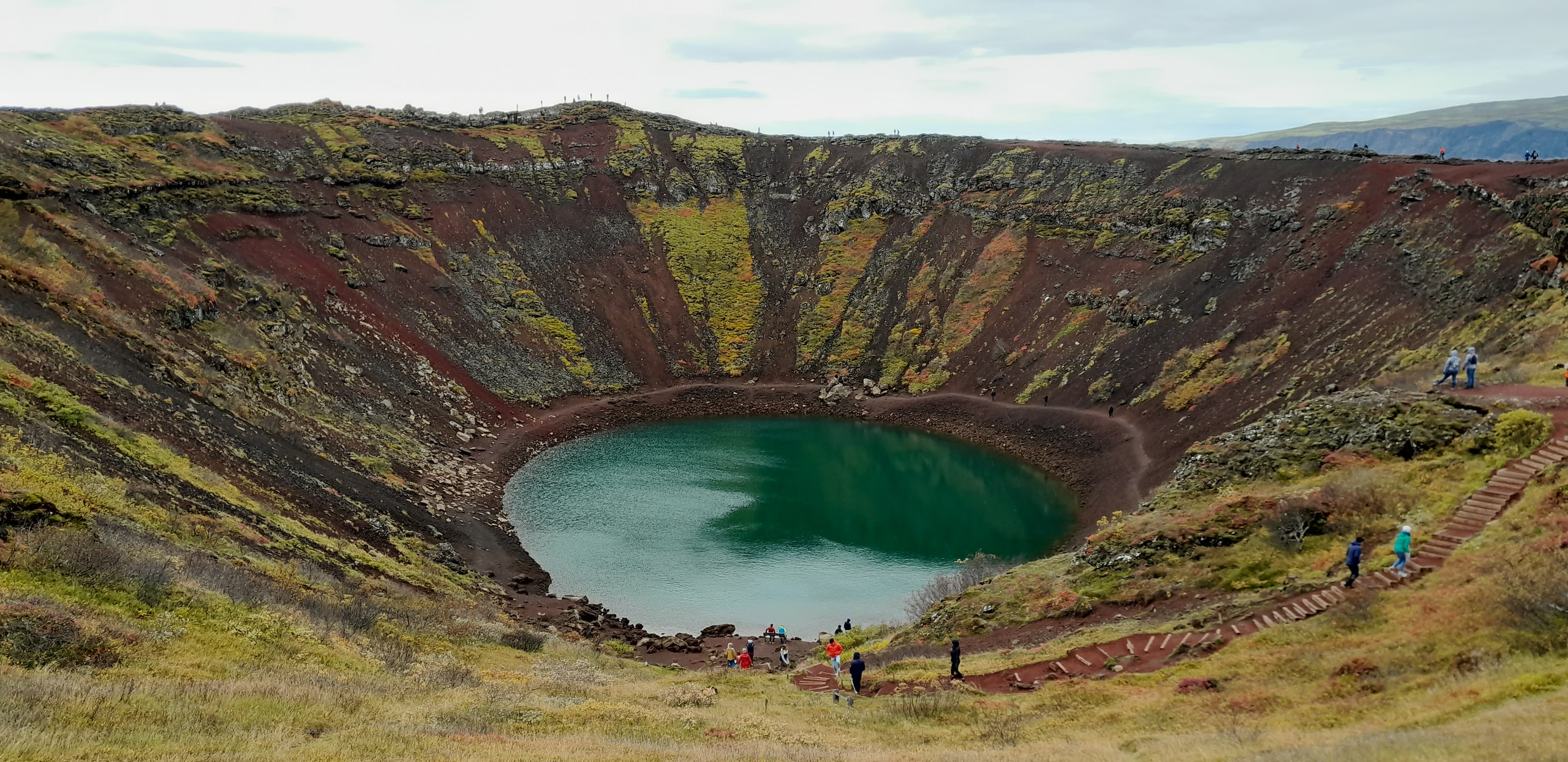
Do the Golden Circle. Just do not let it eat the whole itinerary. A single long day from Reykjavík covers the hits. The south coast beyond Vík - glaciers, Skaftafell, the lagoon - is where the trip usually deepens. If time is short, choose: a thorough Circle plus Reykjavík, or a thinner Circle and two full days on the south. Trying to "do Iceland" as Circle-plus-Blue-Lagoon-plus-everything in ninety-six hours is how the country turns into a checklist you resent.
6. Glacier ice is a guided sport, not a roadside stroll
Sólheimajökull and the bigger tongues of Vatnajökull look close from the parking area. The ash-streaked ice, the brown meltwater lagoon, the people in rented boots walking a marked path - it all feels approachable until you remember that crevasses do not advertise themselves to weekend hikers.
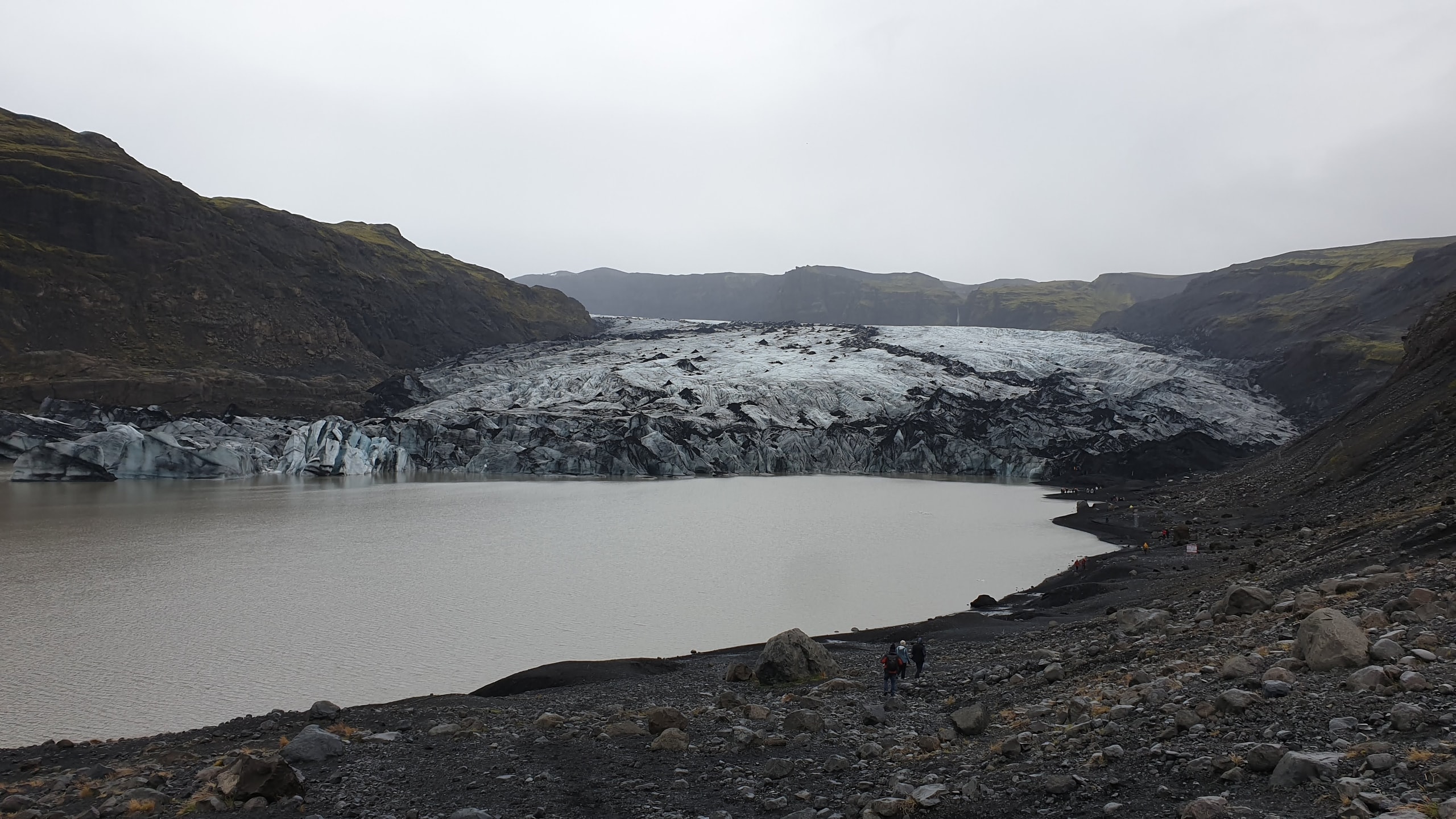
Book a reputable glacier hike if you want to walk on ice. Crampons, helmets, and a guide who knows the day's conditions are the point of the fee - often $100-180 per person depending on length and season. Ice caves are seasonal and unstable; DIY wandering into a blue hole under a glacier is a bad story. Kayaking among lagoon icebergs is another paid option when conditions allow - cold, slow, worth it if the budget has room after the car and beds.
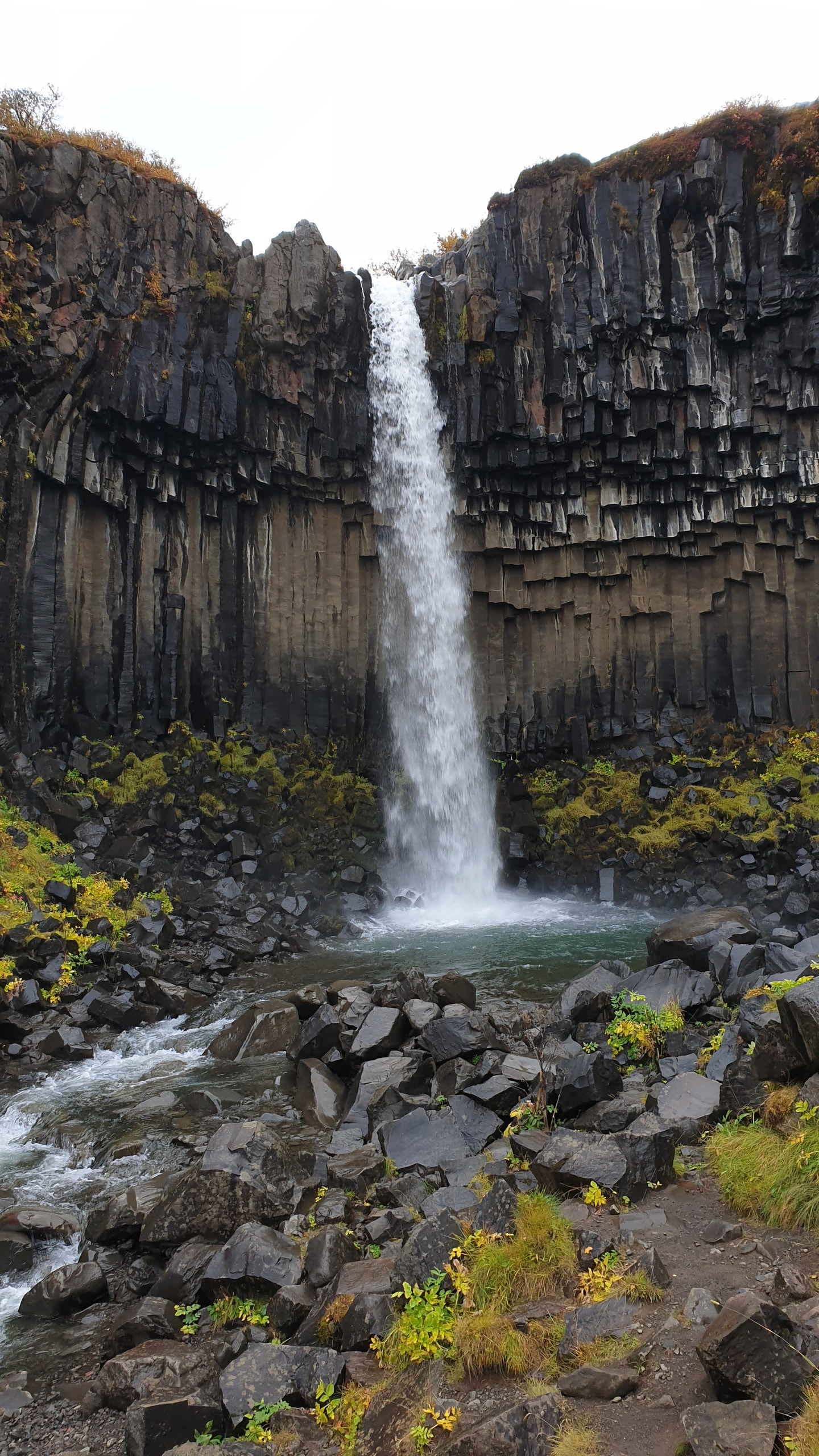
Skaftafell's trails give you glacier views and waterfalls without stepping onto the ice. Svartifoss - the thin fall over hanging basalt columns - is a straightforward hike from the visitor area, especially handsome when autumn scrub turns rust and gold. That walk is free once you have parked.
7. Steam does not mean you can swim
Iceland's ground leaks heat. That is half the reason people come. It is also why unmarked pools can sit at 80-100°C (176-212°F) with a cheerful little sign and a thermometer icon that means stay on the path or get burned.
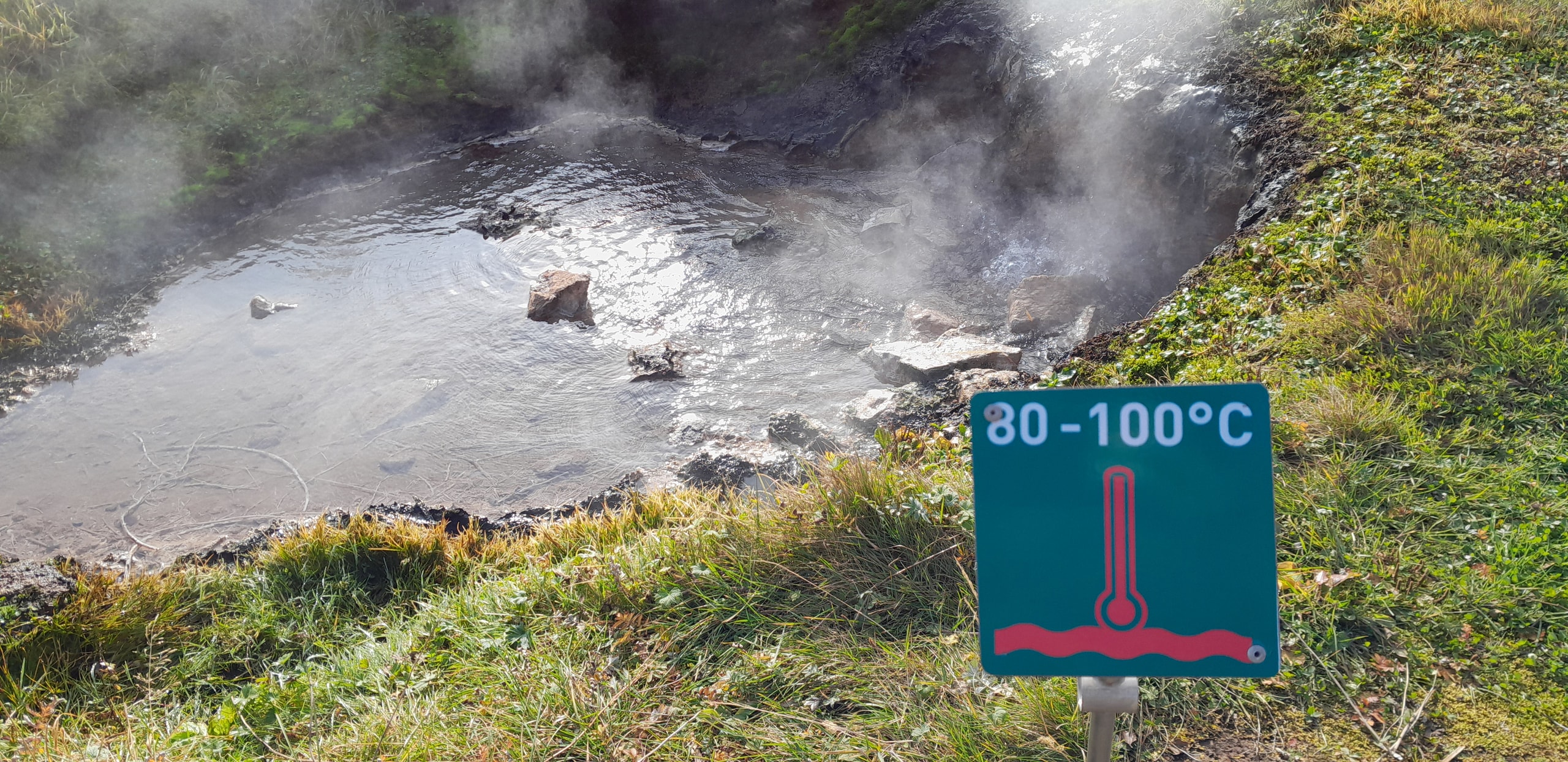
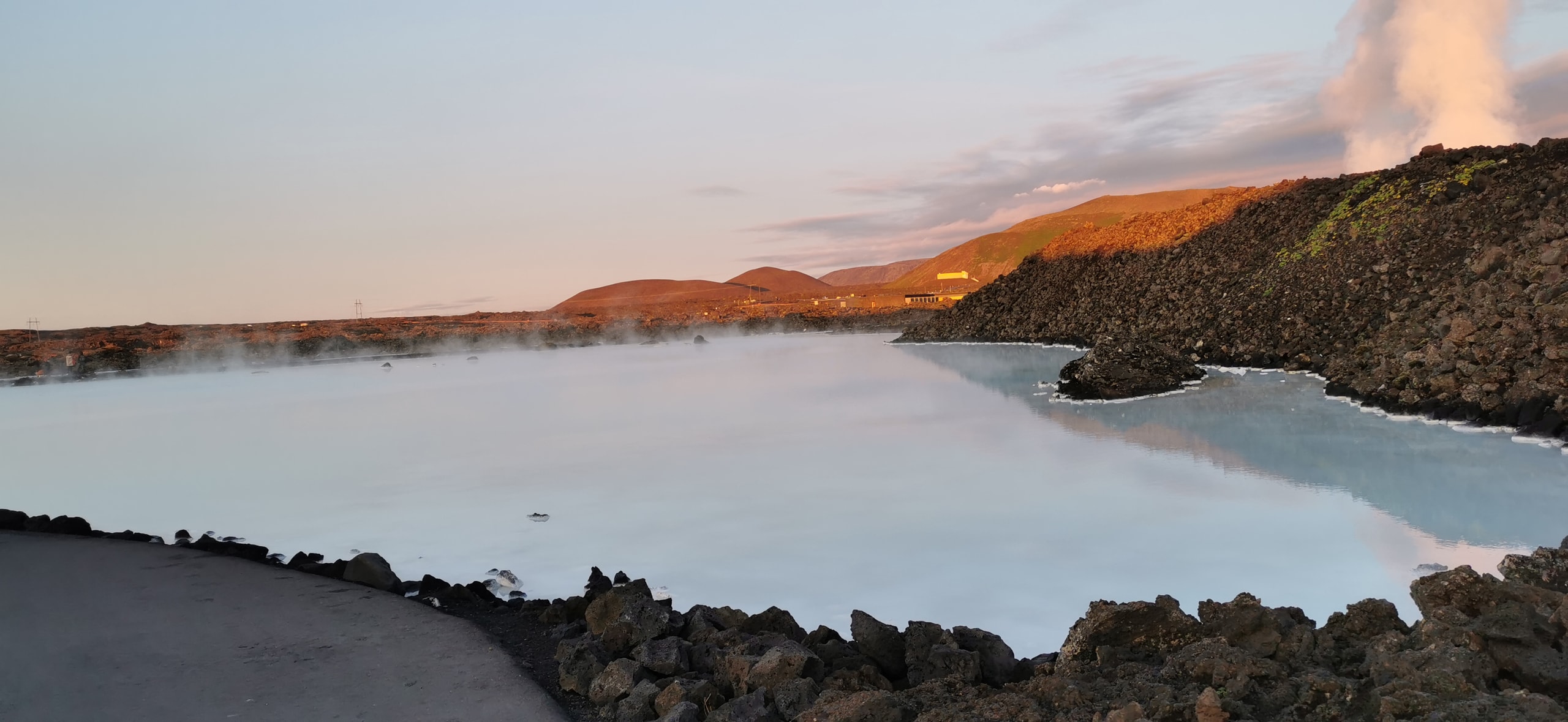
Swim only where swimming is clearly intended: municipal pools, paid lagoons, and marked hot springs with safe temperatures. Reykjavík's public pools are a local habit worth copying - clean, geothermal, cheaper than the postcard lagoons. The Blue Lagoon is the famous one: milky blue water in a lava field, steam at dusk, bookings that reward planning. Day tickets often land around $70-120+ depending on package and season. It is a spa afternoon, not a substitute for seeing the country. Skip it without guilt if the budget is tight.
Stay on boardwalks in geothermal areas even when the mud looks solid. Thin crust over boiling water is a real injury pattern here, not a travel-blog exaggeration.
8. Farms are workplaces - the waterfall in the backyard is still private
Drive the south coast and you will pass white farmhouses under cliffs with thin waterfalls dropping behind the barn. Autumn scrub turns yellow. Sheep own the roadside grass. Horses stand behind wire with thick manes and the patient look of animals that have seen a thousand rental cars slow down for a photo.
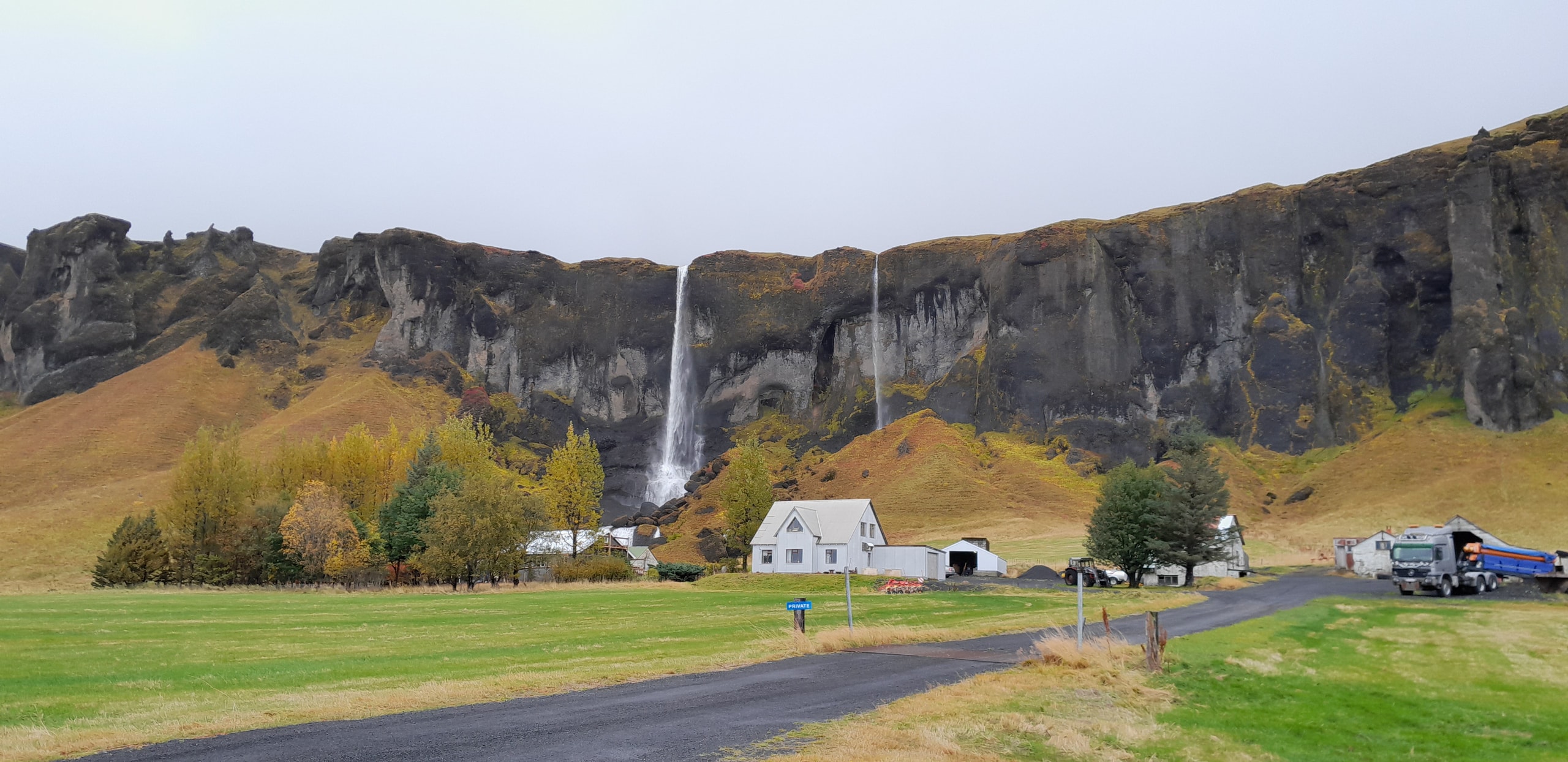
Drone over a farmhouse, hop a fence for a closer shot, or park in a driveway "just for a minute" is how visitors wear out their welcome. Stick to marked pullouts and public trails. If a gate is closed, leave it closed. If a sign says private, believe it. The same rule covers moss: those soft green carpets take years to recover from footprints. Stay on the path even when the photo would be better two metres to the left.
Sheep and horses on the road have right of way in practice. Slow down. Do not chase horses for a closer frame.
9. Shoulder season beats peak summer if you can move the dates
July and early August bring the longest days, the fullest car parks, and the highest room rates. Late May-June and September are the stronger bet for most first trips that are not built around midnight sun or winter lights. Late September still has usable daylight, thinner crowds at Gullfoss and Reynisfjara, and hillsides that turn rust and gold. You trade a little weather risk. You gain parking spaces and quieter paths.
Winter is a different trip: Northern Lights, ice caves in season, short days, and roads that punish bravado. Do not bolt a winter packing list onto a summer itinerary and hope. Match the season to the trip you actually booked.
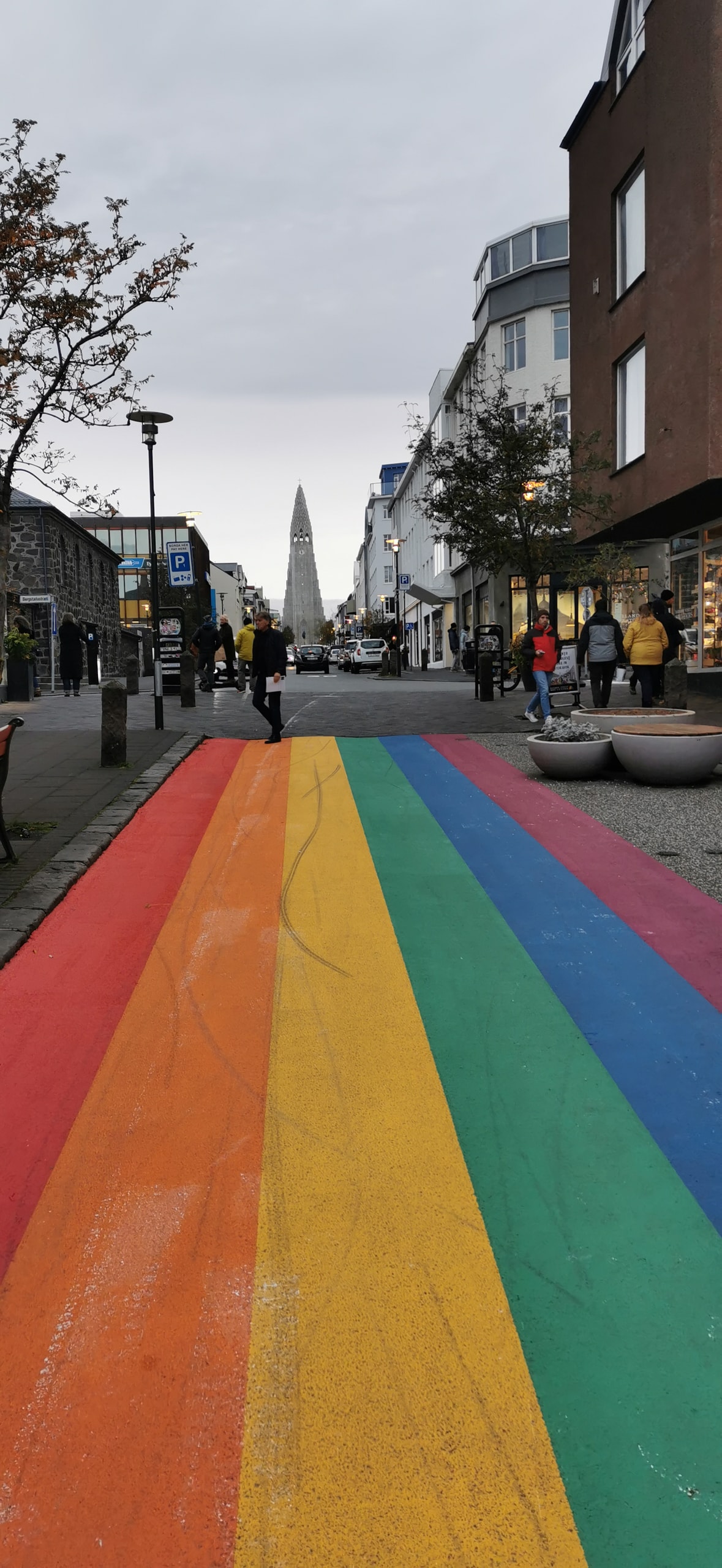
Reykjavík is small and walkable. The rainbow street up to Hallgrímskirkja is exactly as photographed as you expect. One or two nights make sense for jet lag, a pool visit, and a grocery run before the Ring Road. Four nights with only day tours out is how you spend Iceland prices for a city weekend. Use the capital as a stop, not the whole trip.
10. Build slack into every day - the country runs on weather and daylight
The itinerary that works on paper fails when a road closes, a tour cancels for wind, or you spend forty minutes longer than planned watching ice shift at the lagoon. Leave empty hours. Book flexible cancellations on the expensive pieces when you can. Download offline maps. Keep a paper backup of the day's route if you are heading into thin cell coverage.
Campsites, guesthouses, and hotels fill early in summer. Shoulder season is kinder but still not walk-up everywhere near Vík and the lagoon. Reserve beds before you fall in love with a spontaneous detour. Fuel up when you see a station in thin stretches - the south is fine, but running toward empty on a windy evening is a stress you do not need.
Phones work along most of the Ring Road; they drop in valleys and weather. A power bank matters. So does telling someone your rough plan if you hike alone. For practical safety updates, SafeTravel Iceland is worth a bookmark before you leave the airport Wi-Fi.
Pay for the guide on the ice. Stay back from the waves. Eat the soup. Leave a blank afternoon for the day the wind changes the plan.
A simple south-coast shape that works
If this is a first visit and you have about a week, a clean shape looks like this:
Nights: two in or near Reykjavík (or one plus a Reykjanes / Blue Lagoon logistics night), then two to three along the south coast toward Vík and Skaftafell / Jökulsárlón, then back west with slack for weather. Slot the Golden Circle as one full day from the capital or as a slower day mid-loop.
Spend on: the rental car and insurance you actually need, one guided glacier activity, beds near the landscapes you came for, and supermarket food that keeps restaurant blowouts rare and intentional.
Skip without guilt: stacking every viewpoint between Keflavík and Höfn in four days, walking down to the surf line for a hero shot, treating the Blue Lagoon as the main event, and any tour that promises the whole island before lunch.
Iceland rewards the person who leaves margin. The waterfall will still be loud tomorrow. The ice will still look blue under cloud. The farm will still be private. Get the car, check the wind, buy the soup, and give the south coast enough nights that you remember the quiet between the famous names - not only the spray on the lens at Gullfoss.