Land in Beijing with a wallet full of cash and a phone that still expects Google to work, and the first snag is usually a normal afternoon: a noodle shop that only takes a QR code, a maps app that suddenly stops working, and a long security line at the train station that eats the time you thought you had. These ten points are about how China works once you are there - not what to pack.
They matter whether you start in Beijing, Chongqing, Dunhuang, or the mountains of Hunan or Anhui. More detail on each region is in the China notes. Get the basics right and the country feels much easier.
1. China is several trips pretending to be one country
Pick one region and stay long enough to enjoy it. Do not try to hit every famous name. That is the mistake that ruins a lot of first visits: people book Beijing, Shanghai, Xi'an, Guilin, and a Great Wall day, then spend the holiday in airports and station lines. China is about the size of the contiguous United States. Distances are not like Europe. What looks like a short hop on the map is often a four-to-six-hour high-speed train, or a domestic flight that takes most of the morning once you add security and city transfers.
Better ways to shape the trip:
- North China: Beijing plus one Great Wall section you chose on purpose
- East coast cities: Shanghai and the old water towns you can reach by train
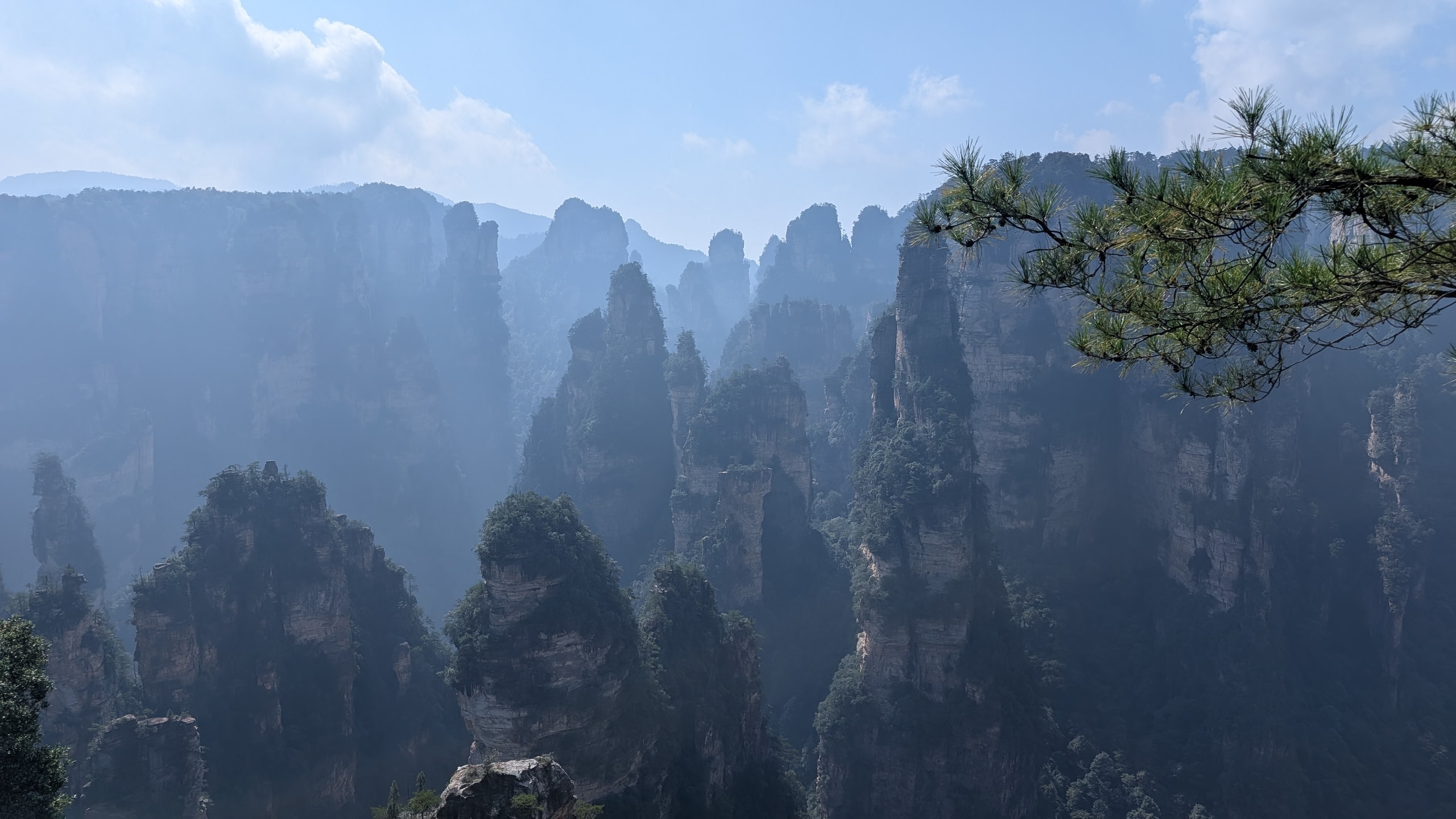
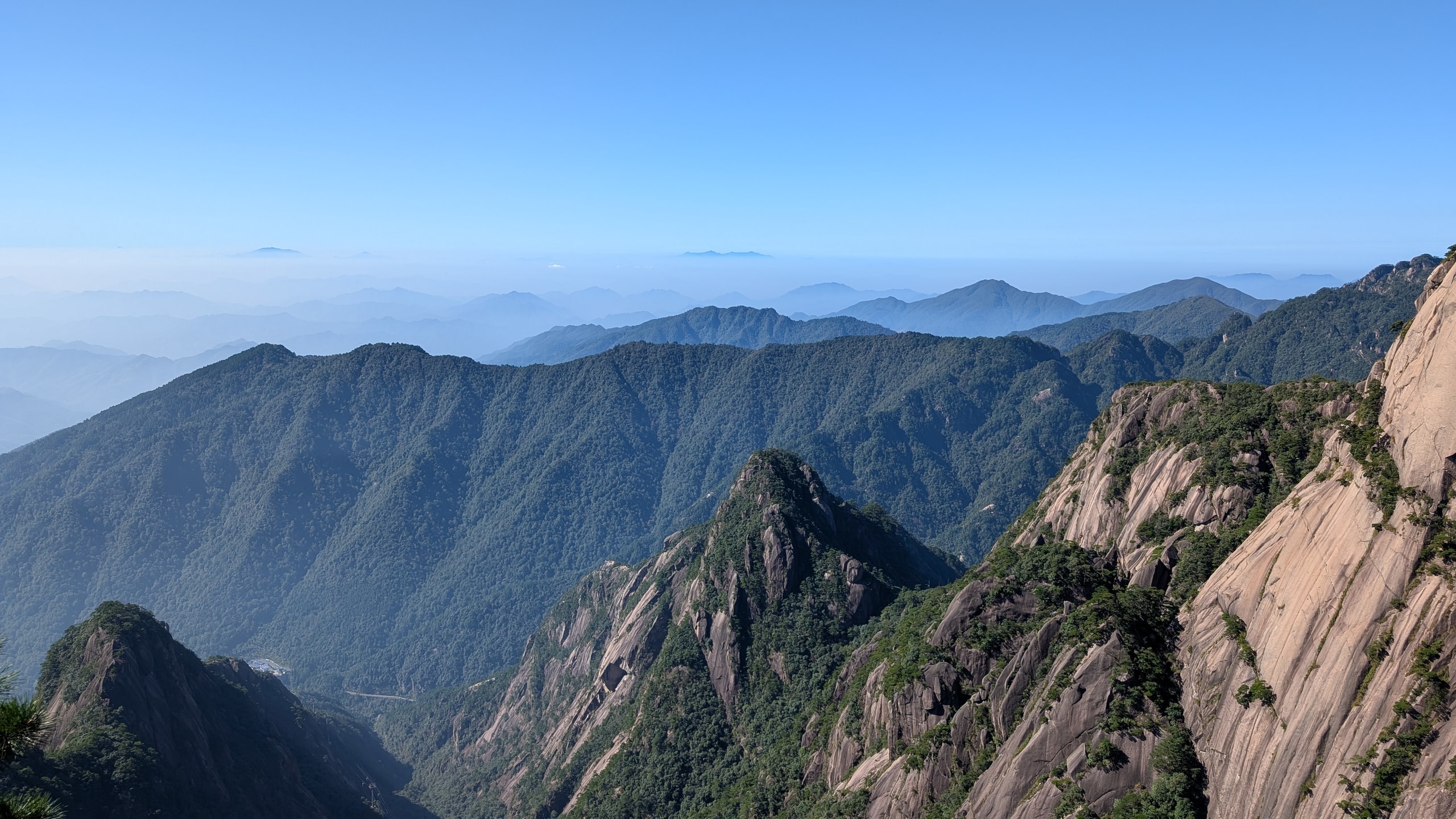
- Mountain south: Huangshan for granite peaks, or Zhangjiajie if the sandstone pillars are the reason you came
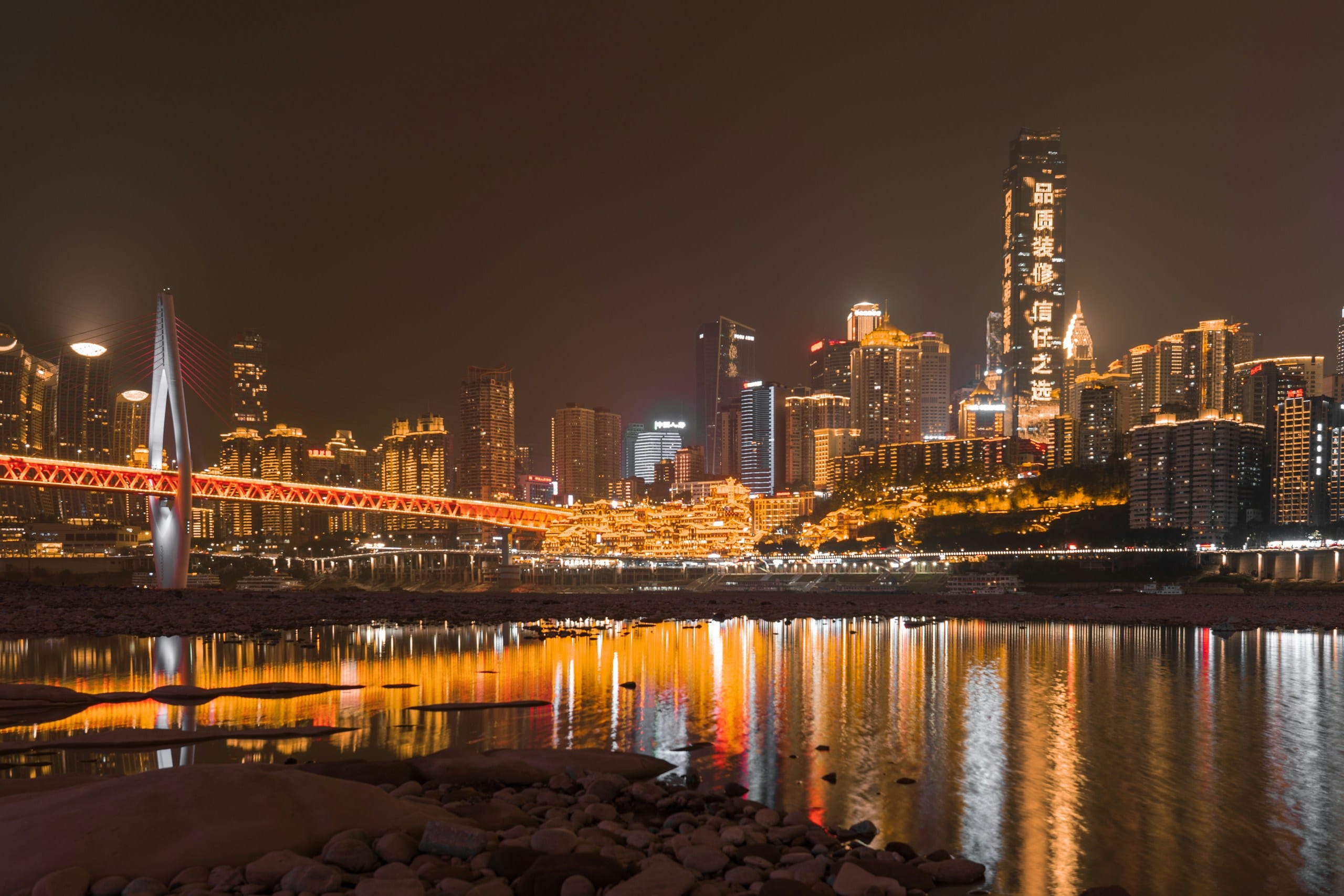
- Southwest: Chongqing if you want steep streets and hotpot that makes your lips go numb
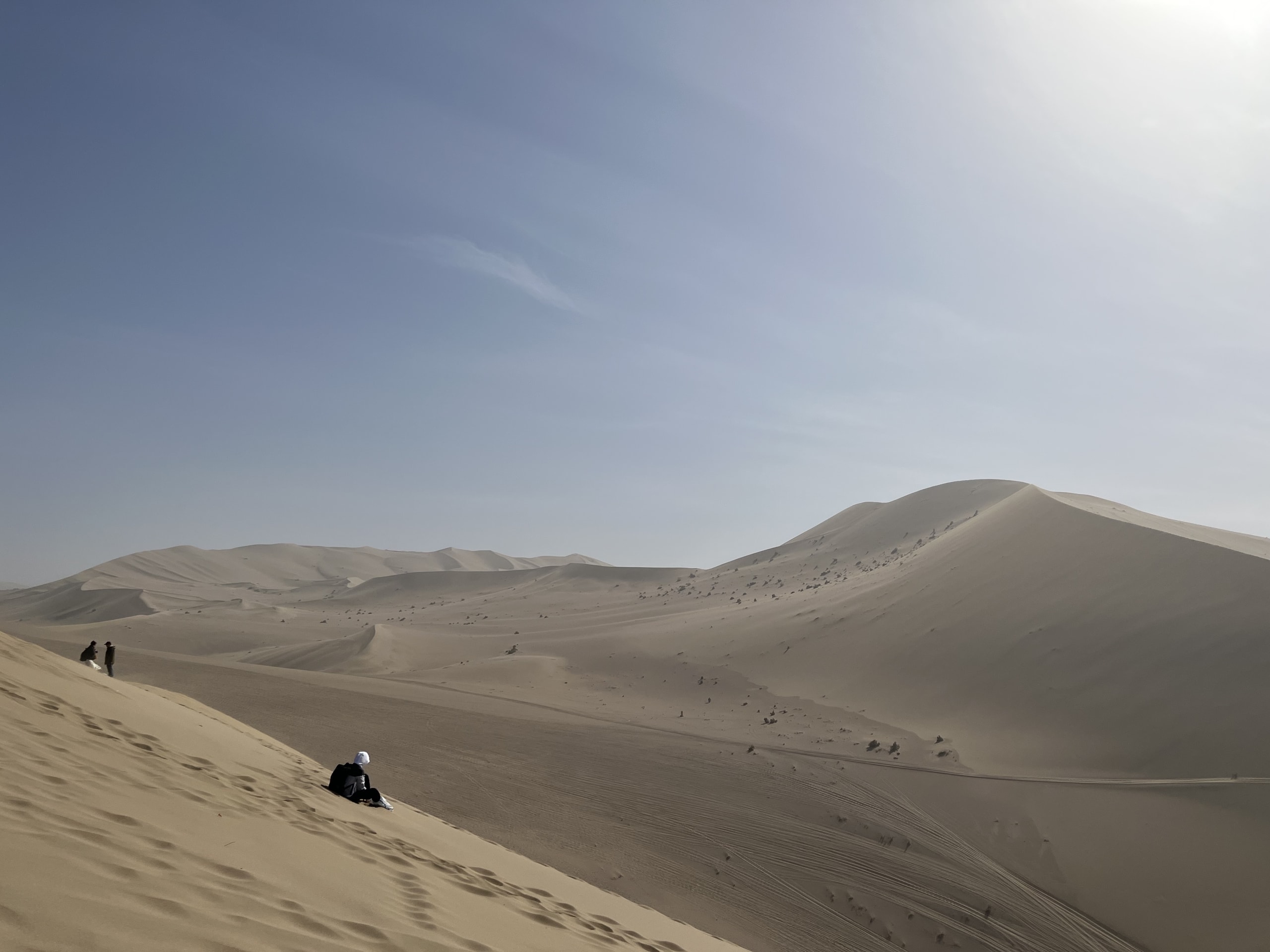
- Silk Road desert: Dunhuang if caves and sand dunes matter more than skylines
Trying to see every famous place in twelve days usually means you remember luggage scanners more than the cities. Four solid nights in one place beat two nights in three places that blur together.
2. Cash barely works. Payment apps do.
Set up Alipay and/or WeChat Pay before you need lunch. China runs on those two apps. Foreign cards often work at hotels and some chain restaurants. They often fail at the places worth eating: the breakfast dumpling window, a fruit stall in a market, the metro machine that wants a QR code, or a taxi driver who has no interest in Visa.
It has gotten easier for foreigners. Many international cards can now link inside the apps. You still need Wi-Fi, patience, and a passport photo the app accepts (sometimes on the third try). Carry a little cash as backup - ¥100-200 (about $14-28). Do not plan to live on ATMs and plastic alone.
Budget mid-range around $60-110 a day after flights: a clean hotel, local meals, metro and Didi rides, and one paid sight. Beijing and Shanghai hotels sit at the top of that range. A bowl of noodles is often ¥15-40 ($2-6). Hotpot in Chongqing runs about ¥80-150 ($11-21) with beer. Big mountain parks add up fast - Zhangjiajie and Huangshan both get expensive if you keep adding cable cars. You can spend less. You can also spend $80 on a mediocre "Imperial" set menu without meaning to.
3. Get a working VPN before the plane door closes
Install a VPN at home, pay for a reputable one, and test it before you land. On mainland networks, Google, Gmail, Instagram, WhatsApp, many Western news sites, and a lot of mapping tools do not work the way you expect. People call it the Great Firewall. On the ground it feels simpler: the apps you rely on go quiet, and you feel stuck in a huge city.
Do not wait for airport Wi-Fi to find out your free trial expired. Also download offline maps, a translation pack, and your hotel address in Chinese characters. A screenshot of the building entrance beats hoping the driver understands English. Baidu Maps or Amap usually beat Apple Maps once you leave the tourist area. Google Maps often gets Chinese streets wrong.
China is easier when your phone still works between metro stops.
4. Your first city shapes the whole trip - choose it carefully
Go to Beijing if you care most about history. Go to Shanghai if you want a modern city with strong food and neighborhoods. Go to Chongqing if you are bored of polished capitals and want steep streets, rivers, and night views. Your first city sets the tone for everything after it.
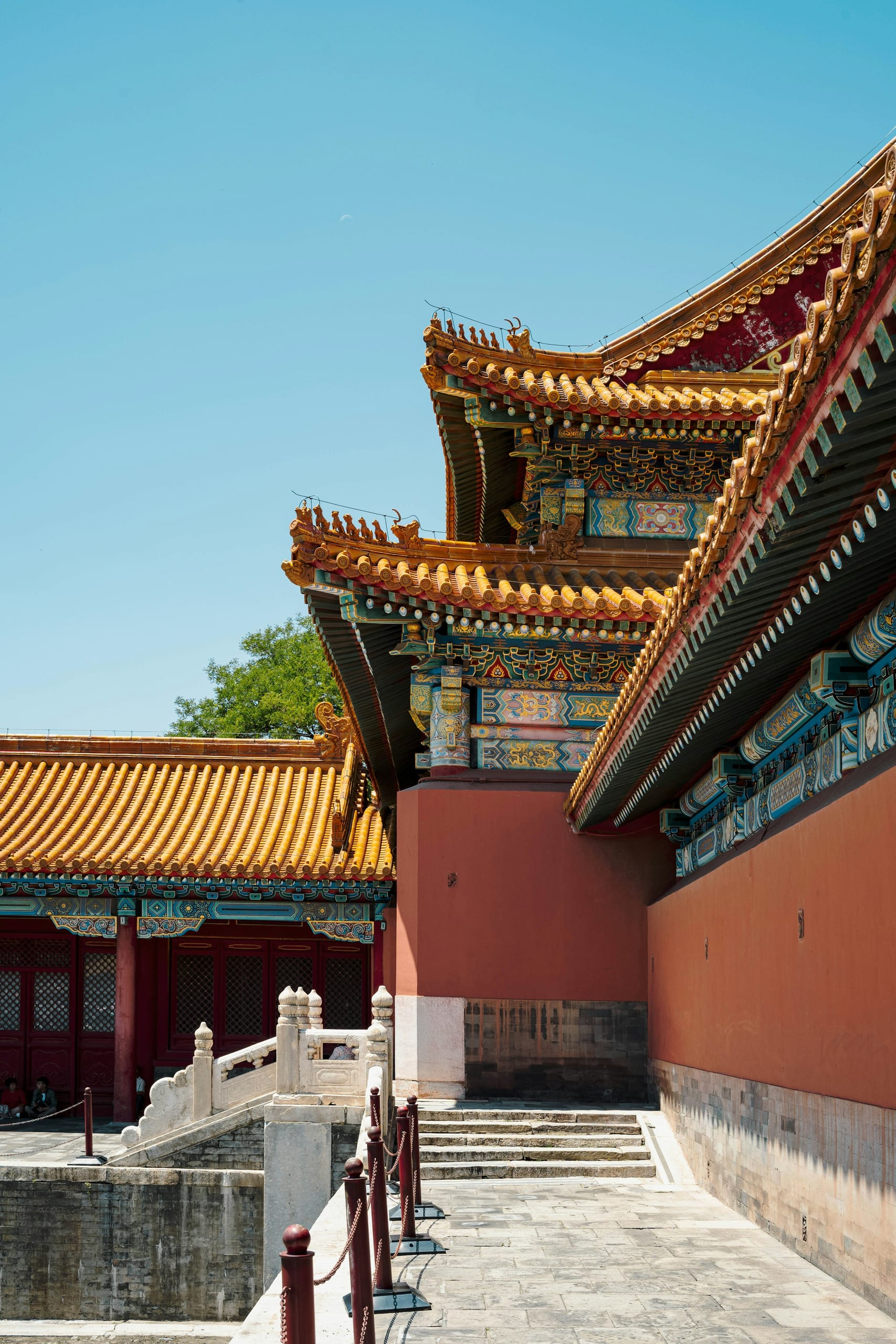
Beijing is imperial sights, timed tickets, and old hutong lanes that get smaller every year. Shanghai is tree-lined streets, river views, and a metro system that just works. Chongqing is where GPS often lies because the "street" is three floors below you. Dunhuang is patience, desert heat, and sand in your shoes.
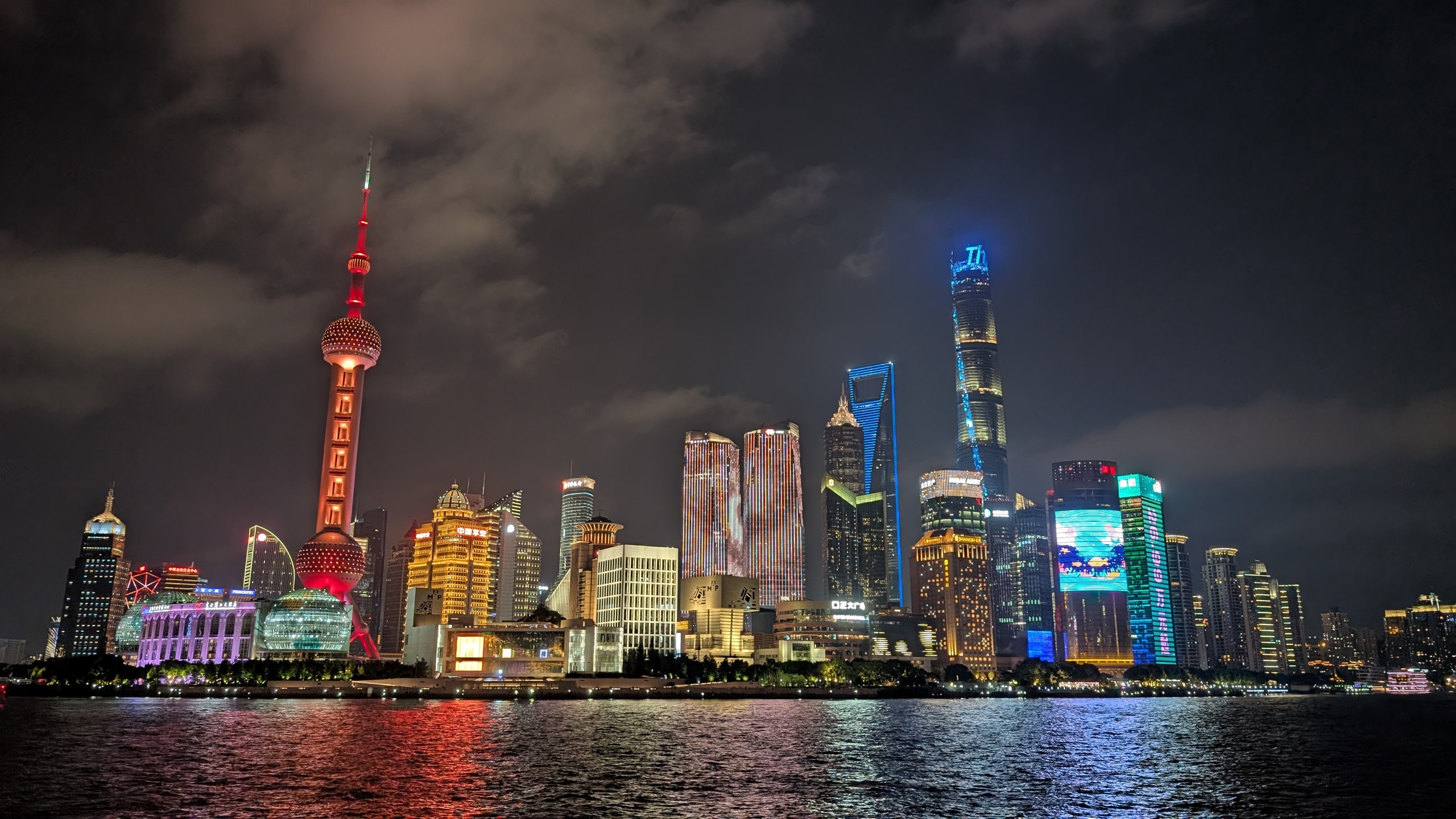
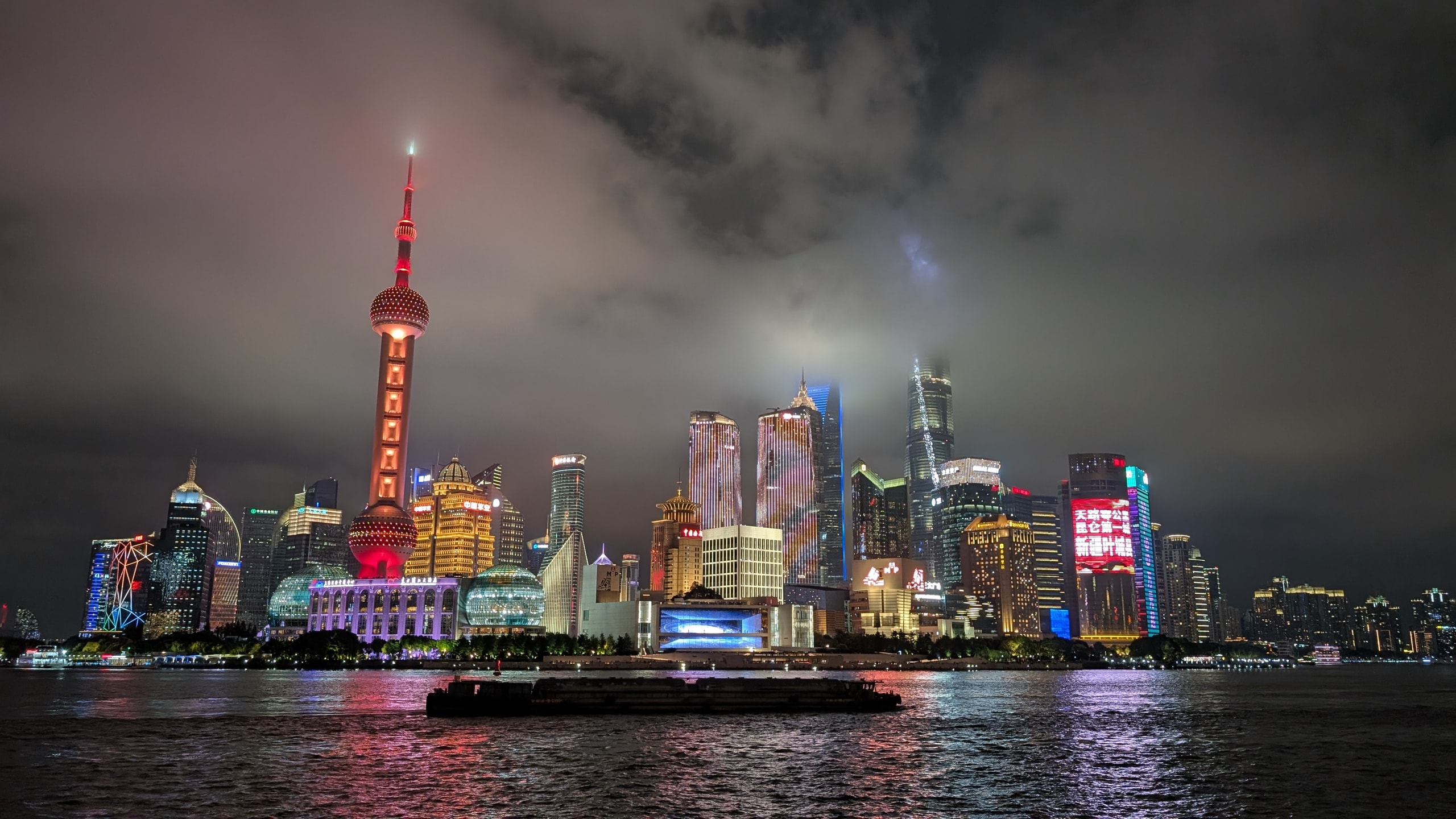
If your only China is the capital checklist, you will think the country is mostly monuments and haze. If your only China is Pudong at night, you will think it is a skyline contest. Pick one of those trips on purpose, or mix regions - but do not pretend one city stands in for the map.
Give Beijing enough nights to leave the main tourist line: Forbidden City early, one Wall day, then a park or hutong morning with no ticket queue. In Shanghai, walk until the French Concession makes sense. In Chongqing, walk the stairs until the layout makes sense. Do not spend your first three nights only on the famous sights.
5. Take the high-speed train. Fly only when you have to.
For trips about the length of Beijing to Shanghai - roughly 4.5-6 hours by train - book the train, not the flight. China's high-speed rail is what makes multi-city trips realistic. Stations are huge. Security is real. Bring your passport, your ticket (a phone QR code is normal), and more spare time than you think you need. On a busy morning, a big station can feel like half the city showed up with suitcases.
Book on 12306 if you can handle the official site, or use Trip.com and similar sites if you want English. Pick a seat you can sit in for four hours. Station names matter: Shanghai has more than one major station, and so does Beijing. Arrive at the wrong one and the train leaves without you.
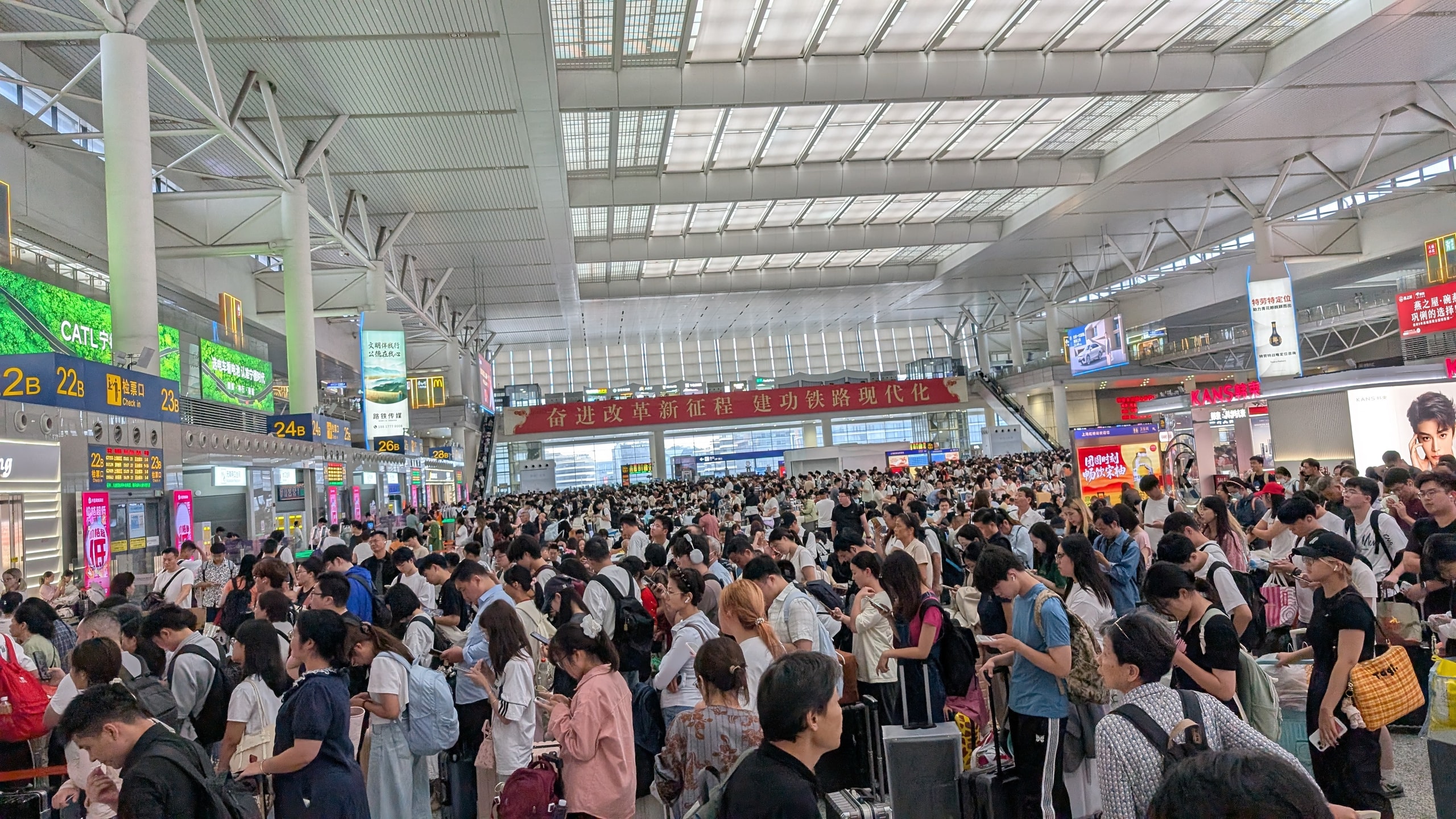
Flights still make sense for long jumps like getting to Dunhuang, or when the train would eat a whole day you do not have. For shorter hops - Shanghai to Huangshan, Changsha toward Zhangjiajie, Chengdu to Chongqing - the train is usually less stressful even when the ticket price looks similar.
6. There is no one "Chinese food"
Eat by region. The red-lantern "Chinese restaurant" food many people know abroad is a compromise. In China, the food changes with the map.
Beijing means dumplings, wheat noodles, and roast duck if you pick a place for the meat, not the show. Sichuan and Chongqing mean chili heat plus Sichuan peppercorn that makes your lips buzz. Guangdong food is lighter and closer to the ingredient. The northwest leans on lamb, bread, and cumin. Shanghai does sweeter braised dishes and soup dumplings that burn your mouth if you rush them. Hunan has its own dry heat, so "spicy" is not one setting everywhere.
At lunch, look for rooms full of people in work clothes, not empty tables facing a gate. Point your phone camera at the wall menu and order something already on other tables. A bowl of noodles for ¥15-40 ($2-6) in a bright room with no English often beats a ¥200 duck dinner built for tour groups. Night markets near old towns are usually good when the stalls stay busy past 9 p.m.
Hotel buffets are safe and dull. Street and neighborhood kitchens are louder and better. Give your stomach a few days if it complains - that is common - and keep eating where the line of locals is longer than the line of selfie sticks.
7. National holidays can ruin a good plan
Check China's holiday calendar before you lock flights. Golden Week around National Day (early October) and the Spring Festival travel rush move hundreds of millions of people. Trains sell out. Hotel prices jump. Famous sites turn into slow-moving crowds. Old towns that look empty in photos become packed lantern streets. The quiet hutong morning or open Wall walk you imagined often disappears.
If you have to travel then, book transport the day tickets open and expect crowds. The better windows are usually late March to May, and September to early November outside Golden Week. July and August are hot, wet in the south, and busy with domestic summer travel. Mountain parks in Hunan and Anhui often sit in mist that looks great in photos and blocks the long view you came for - keep a spare morning if the forecast is bad.
Winter Beijing can be clear and cold or grey and biting. Pack for the city you chose. China does not have one neat temperate climate.
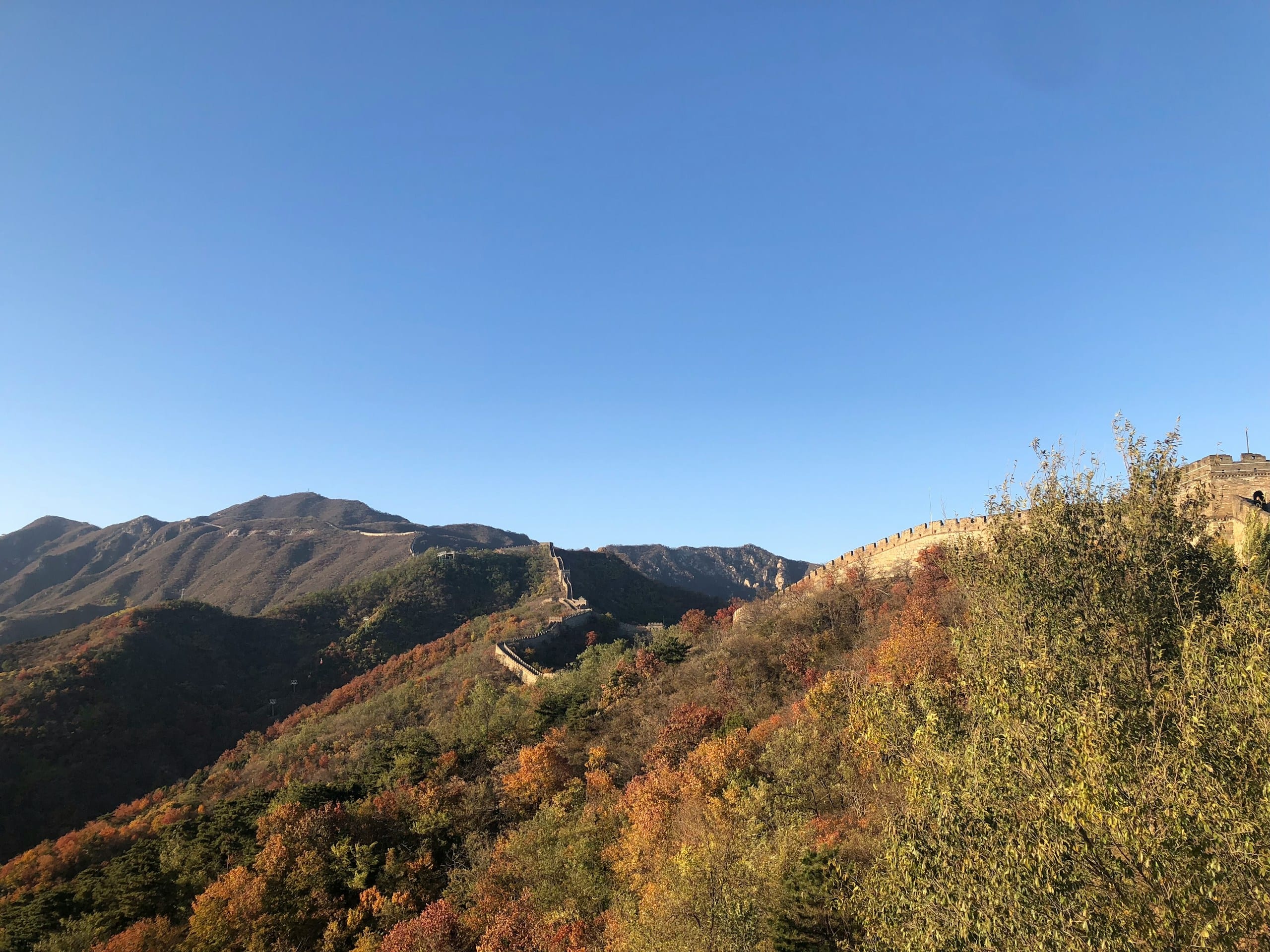
8. Which Great Wall section you pick matters more than "going to the Wall"
If you are already in north China, see the Wall once - but choose the section with care. They are not the same day out.
- Badaling is closest and most restored. On a weekend, it is also the most packed.
- Mutianyu is the better default for most people: cable cars, decent paths, and a day that still feels like a mountain.
- Jinshanling and wilder stretches suit hikers who want crumbling brick and fewer snack stalls.
A weekday at Mutianyu in autumn can mean colored leaves in the valleys and small groups instead of tour crowds. Same Wall. Different day. The short version: get there early, bring water, wear shoes with grip, and do not stack the Forbidden City and a Wall day unless you want to remember both as sore feet.
The same idea applies to other big scenic areas. Zhangjiajie's pillars are worth the ticket. Tianmen Mountain's 999 steps to Heaven's Gate are hard on the knees - take the cable car if you want, no shame in it. Huangshan is better with a night on the mountain than as a rushed day trip. Crowds are normal at major Chinese sights. Your real tools are timing and which entrance or section you choose.
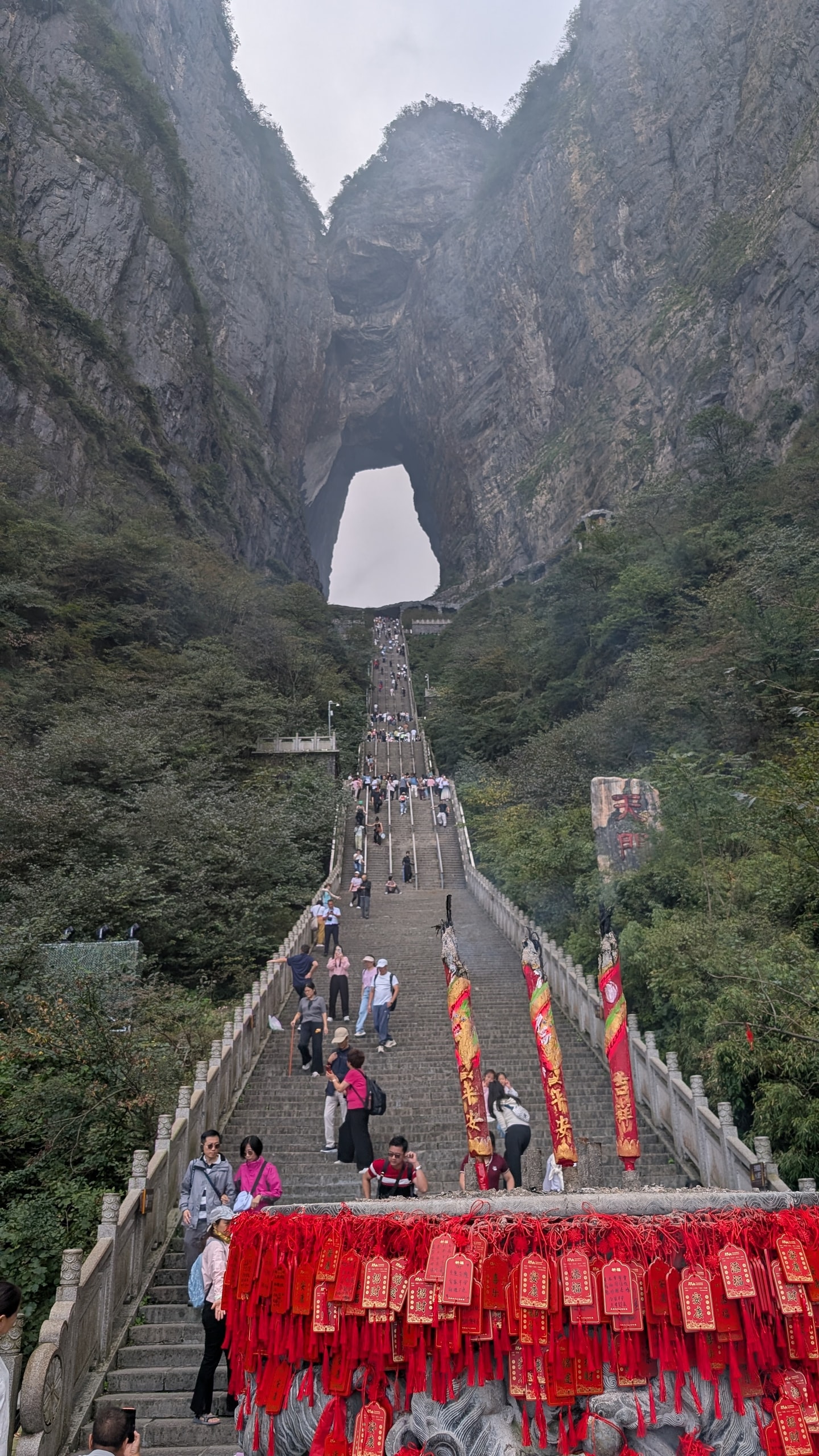
A lot of scenic China is steep. Build rest into the day, carry water, and treat cable cars as useful tools. If mist has already blocked the view, climbing every step rarely makes it better.
9. A few Mandarin words help. Chinese characters on your phone matter more.
Save your hotel address, restaurant names, and key places as Chinese-character images on your phone. That helps more than a phrasebook. You will not learn Mandarin on the flight. A few words still help - xièxie (thank you), duìbuqǐ (sorry), zhège (this one) while pointing - and people often appreciate the effort. What actually gets you places is written Chinese: the hotel address, a restaurant name, a metro stop, or the WeChat message your host sent.
Show those images to drivers. Paste them into Didi. Do not rely on pinyin alone; tones you cannot hear will send you to the wrong block. Offline translation apps turn menus into educated guesses. Educated guesses are enough.
English shows up in tourist areas - the Bund, Forbidden City gates, airport desks - and fades two streets later. That is fine. It is also why payment apps and address screenshots are not optional. In smaller cities and mountain towns, do not expect English.
10. Leave room for the China that is not on the poster
The best part of the trip is rarely another forced sunrise at the Bund - though early Shanghai before the buses is still a good way to see that river. The trip gets good when you stop treating every famous name as required and give ordinary time to one place.
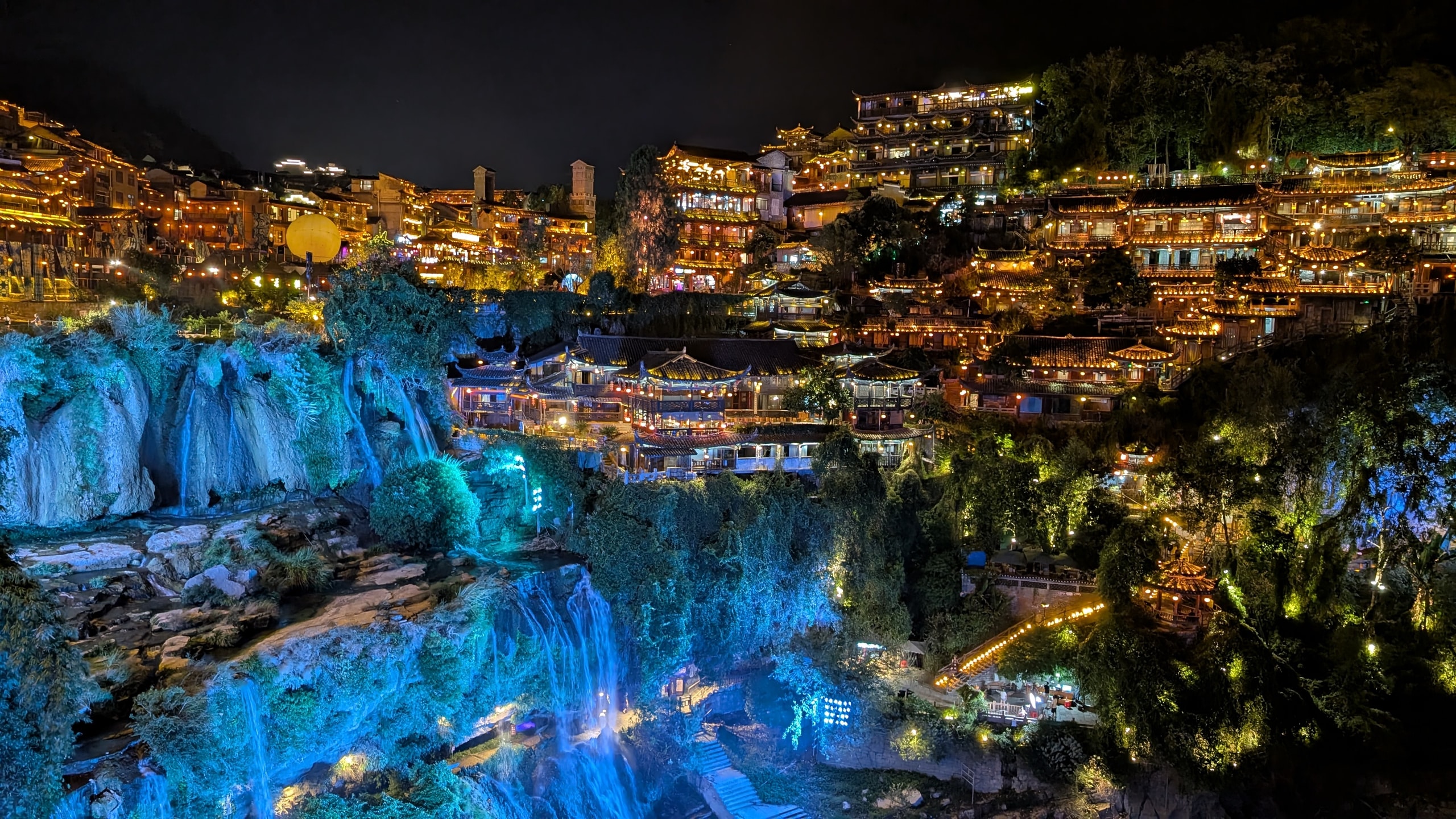
A hutong breakfast place with no English sign. A metro ride to a neighborhood of apartment towers and a park where people dance badly on purpose. A second night in Chongqing because your legs hurt and the hotpot is worth repeating. A morning on the dunes when it feels less like a theme park. An old town after dark when the waterfall lights come on and the day-trip buses have left.
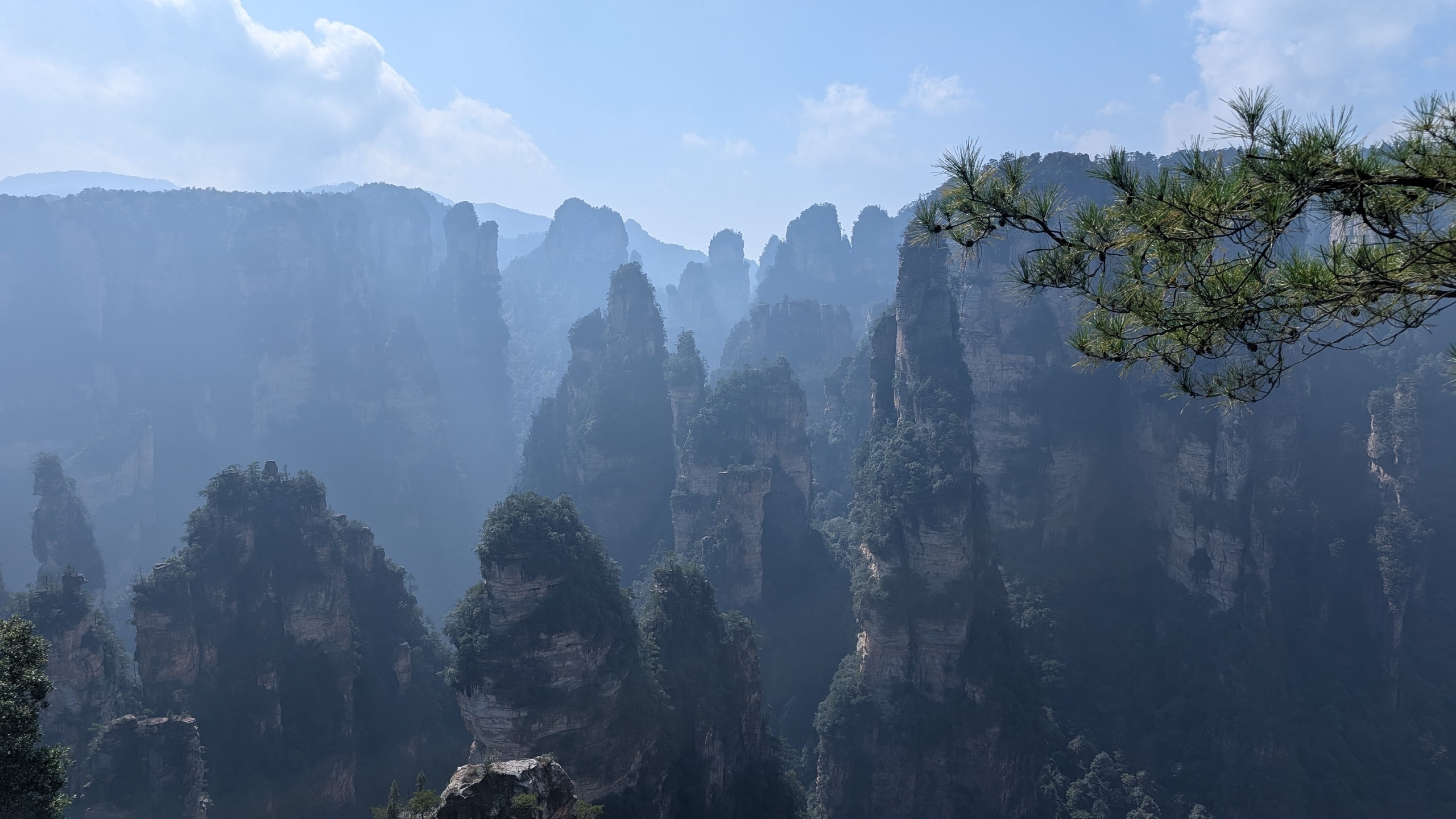
The famous views are often real. What sticks is usually smaller: steam on glasses over a bowl of noodles, a QR code that finally worked, farmland blurring past a train window at 300 km/h, and the feeling that you have barely started one province.
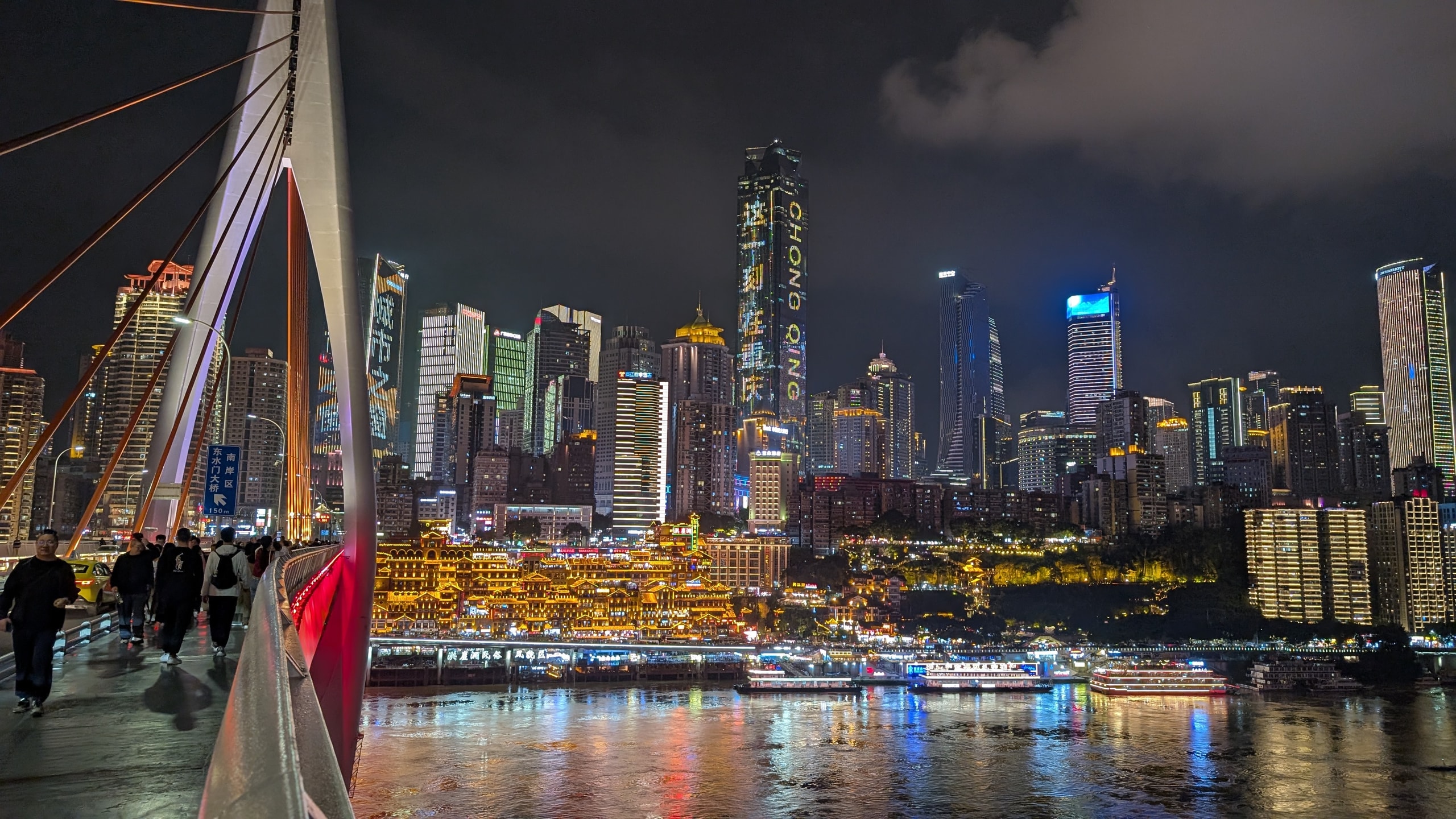
Pick a region and stay long enough to need a laundry day. That beats stamping every famous gate on the map.
What two weeks actually looks like
Pick one region below and use the country pages on this site to fill in the stops.
North-heavy: Five nights in Beijing - Forbidden City early, hutongs on foot, one Wall day at Mutianyu or further. Add a day trip only if you have spare time. Leave without forcing Xi'an into the same trip.
Urban east: Four or five nights in Shanghai, plus one water town if the train is easy. Walk until the neighborhoods make sense. Add Huangshan for two nights if mountains matter more than another skyline.
Mountain south: Build around Zhangjiajie - the pillars, Tianmen if your knees and the weather cooperate, and a night in Furong Ancient Town if you want lanterns and a blue-lit waterfall without pretending it is the Forbidden City. Give it real days. Do not glue it onto a rushed Beijing week.
Southwest: At least four nights in Chongqing. Add Chengdu if you want a softer Sichuan contrast. Do not pretend this pairs cleanly with a capital sprint.
Silk Road side trip: Dunhuang only if you give it real days and accept the long journey. The caves are the reason to go - not a quick stop between flights.
Leave these alone unless you have a clear reason: tours that promise "China in a day," stacking Badaling with the Forbidden City in one exhausted day, hotel breakfasts that cost as much as three local lunches, and photographing every gate until you forget you were hungry.
Set up the payment apps. Test the VPN. Book the long train early. Give your first city more nights than the brochure suggests. Then order the thing you cannot pronounce, pay with the QR code, and expect the plan to change once you are there.
China is easier once you know how it works.