A morning of London's big tickets adds up fast. The Tower of London costs £34.80 ($47), St Paul's Cathedral £27 ($36), and the view from the Shard £30 or more ($40+) depending on the day. That is well over $120 per person before lunch.
Most of the London people picture costs nothing. Tower Bridge, the river path, the outside of the Globe, St Paul's dome, Big Ben, Buckingham Palace and the whole British Museum are free to walk up to. The way to do London well is to see the famous outsides at the right hour and pay for only two or three insides that earn the money.
This guide follows the Thames on foot from east to west, over two days. It is written for summer, when it stays light until almost 10 p.m. and Westminster looks best after dinner.
Tower of London and Tower Bridge: start at 9 a.m.
Start at the east end, at the Tower of London. In summer it opens at 9 a.m. Tuesday to Saturday and at 10 a.m. on Sundays and Mondays. The ticket includes the Crown Jewels.
Go straight to the Jewel House when you walk in. By eleven the queue wraps around the building, and a moving walkway carries you past the Imperial State Crown in about thirty seconds. Then join one of the free tours led by the Yeoman Warders, the guards in dark blue and red. They are the best part of the ticket: loud, funny and full of executions.
Is it worth $47? Yes, if you arrive at opening and give it three hours. With only one day in London, skip it and look at the walls from the riverside path for free.
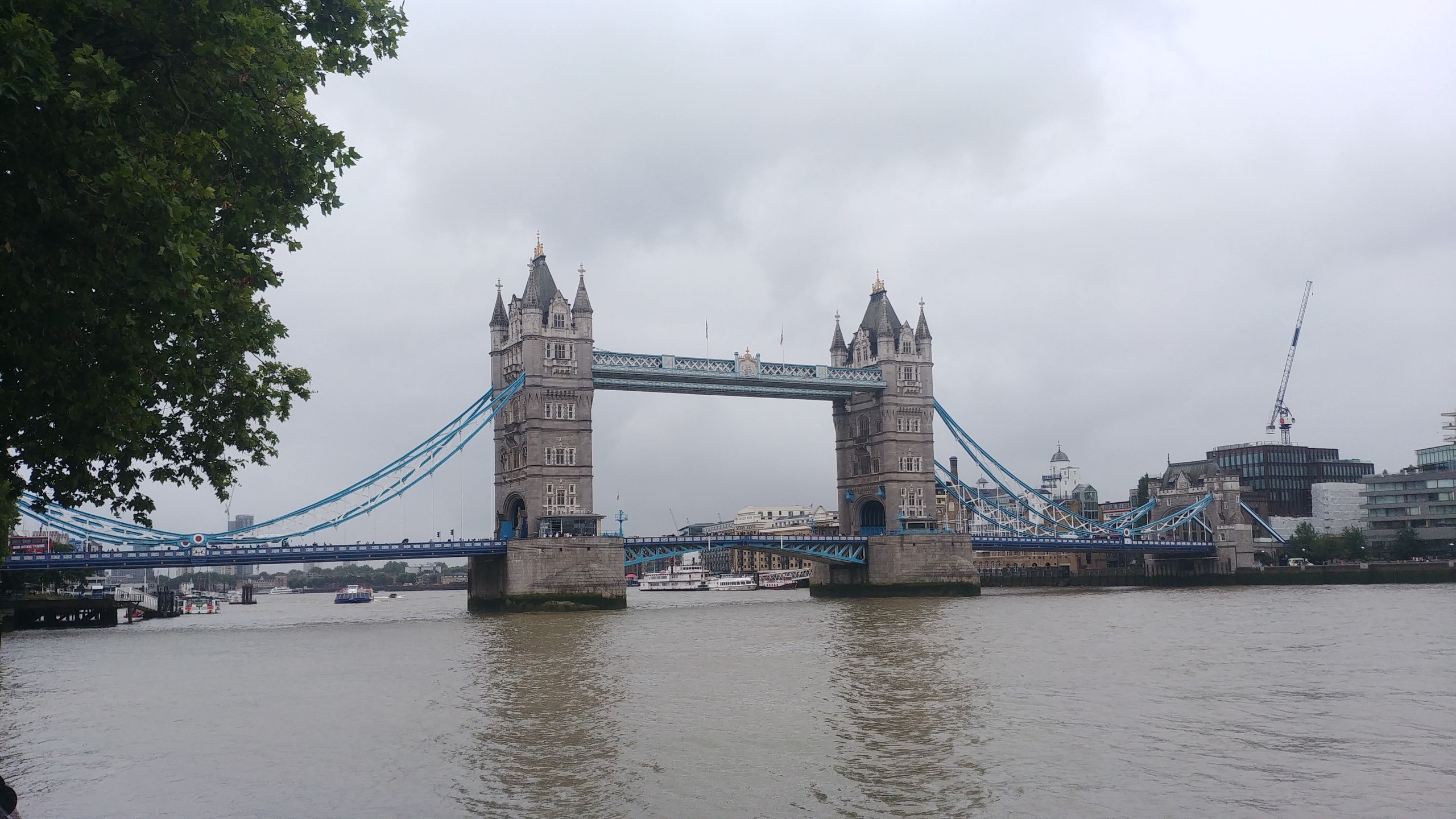
Tower Bridge is right next door. It opened in 1894, and people still mix it up with London Bridge, which is the plain concrete one upstream. Walking across it is free.
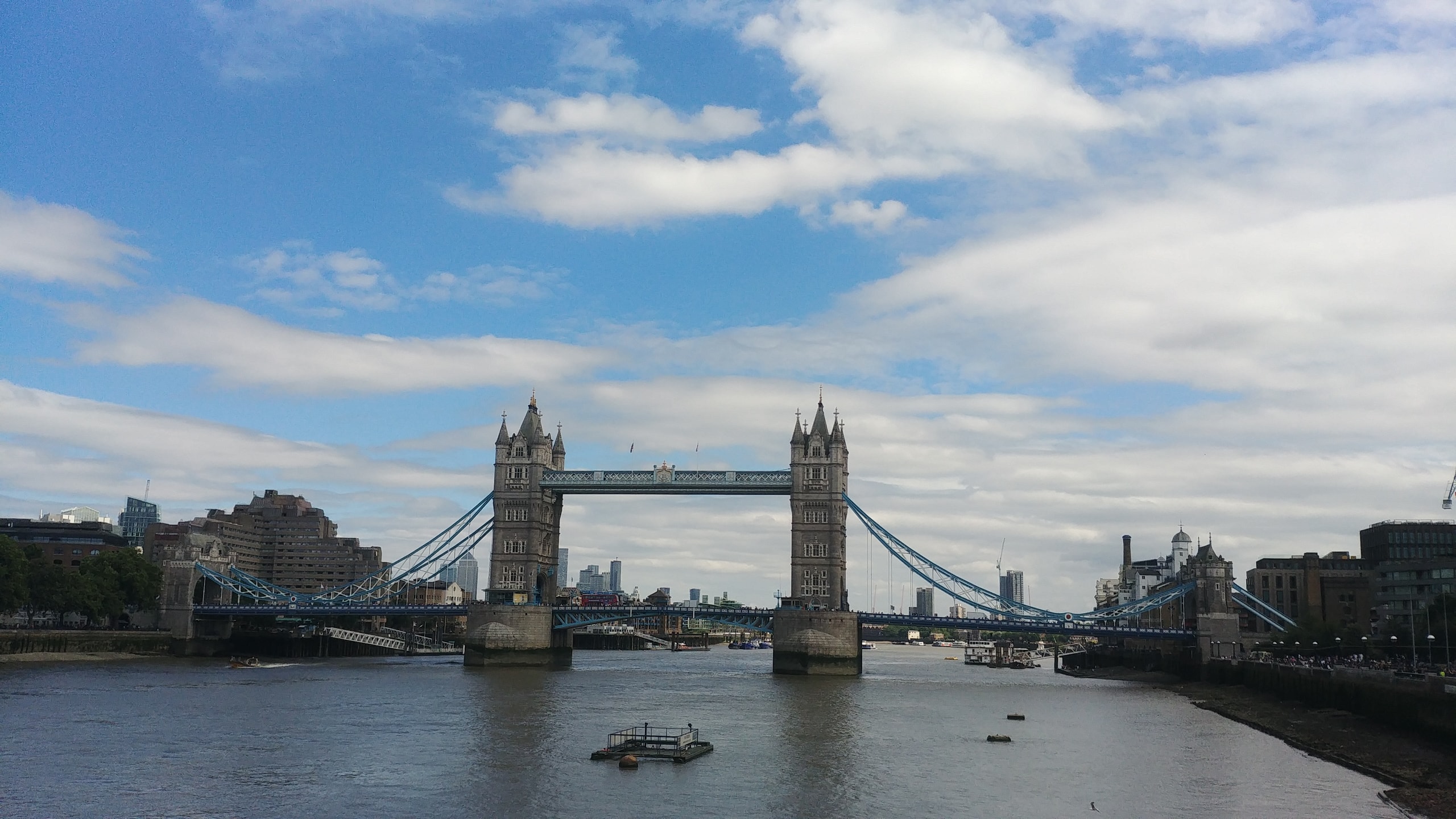
The paid Tower Bridge Exhibition, about £15 ($20), takes you up to the high walkways, with glass floors 42 metres above the river. It is skippable. Seeing the bridge open is better, and free. The two halves of the road lift around 800 times a year to let tall ships through, and the times are posted a few days ahead on the Tower Bridge lift schedule. If a lift falls on your morning, wait for it on the south bank.
HMS Belfast is the ticket worth paying for
Cross the bridge and walk five minutes upstream along the south bank. Moored in the river is HMS Belfast, a Royal Navy cruiser launched in 1938 and open as a museum since 1971. She escorted Arctic convoys to Russia, helped sink the German battleship Scharnhorst in 1943, and fired on the Normandy beaches on D-Day.
What makes the visit good is that you can go almost everywhere: nine decks, from the bridge down to the engine rooms, past hammocks, the sick bay, the galley and the shell rooms. The ladders are steep, so wear shoes you can climb in and leave a big bag at the hotel.
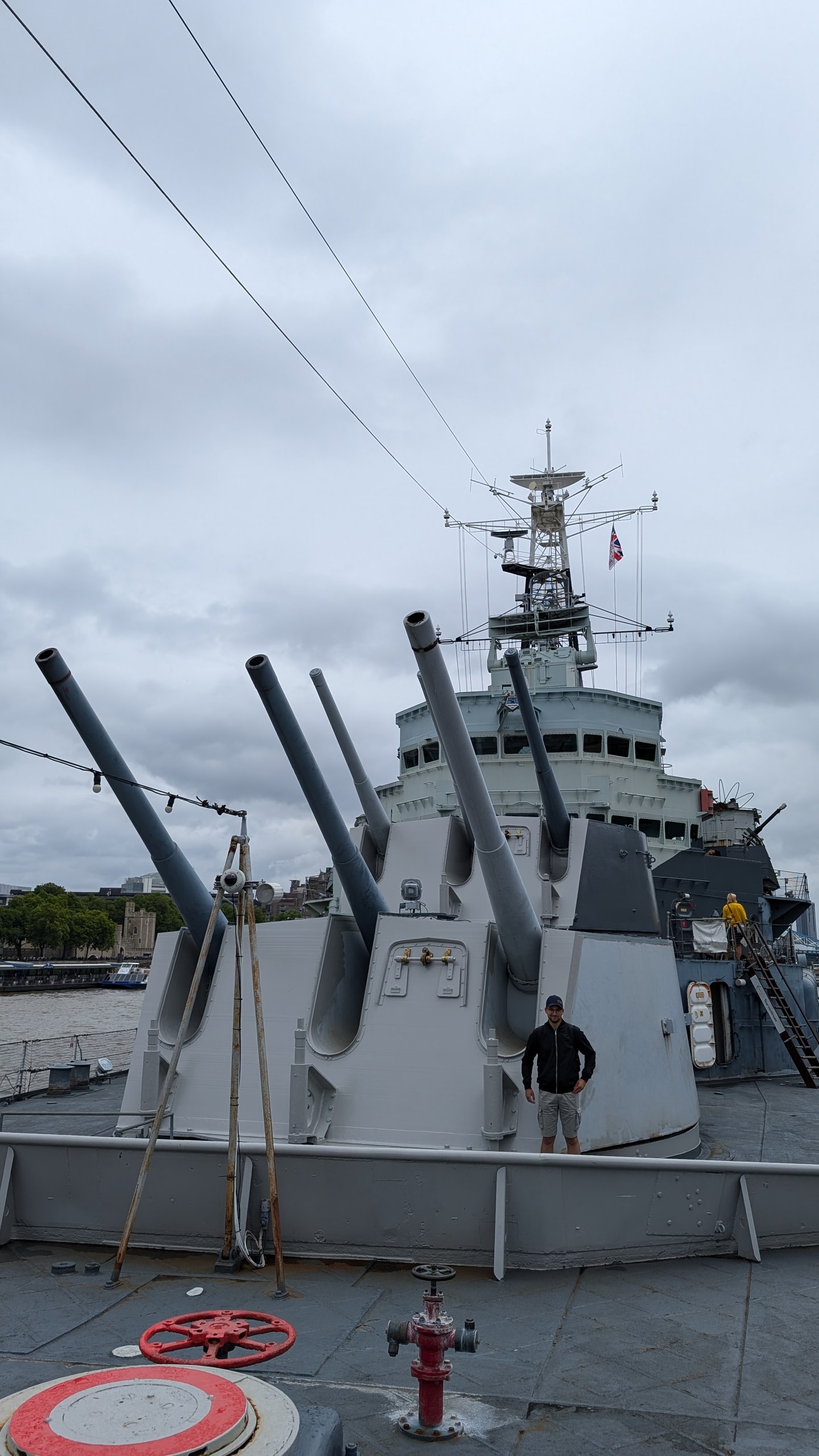
The forward guns point up over the city. They are aimed at London Gateway services on the M1 motorway, about 12 miles (19 km) north and within their range.
An adult ticket is £26.80 ($36), and you need two to three hours. On a grey day it is the best money you will spend in London. Grey hulls are also the reason to visit Toulon's working navy harbour in the south of France, where the warships are still in service.
The Shard: look at it, then go up somewhere free
Behind the Belfast stands the Shard, a 310-metre glass spike on top of London Bridge station. The View from the Shard, on floors 68 to 72, costs from about £30 ($40), and more on sunny weekends.
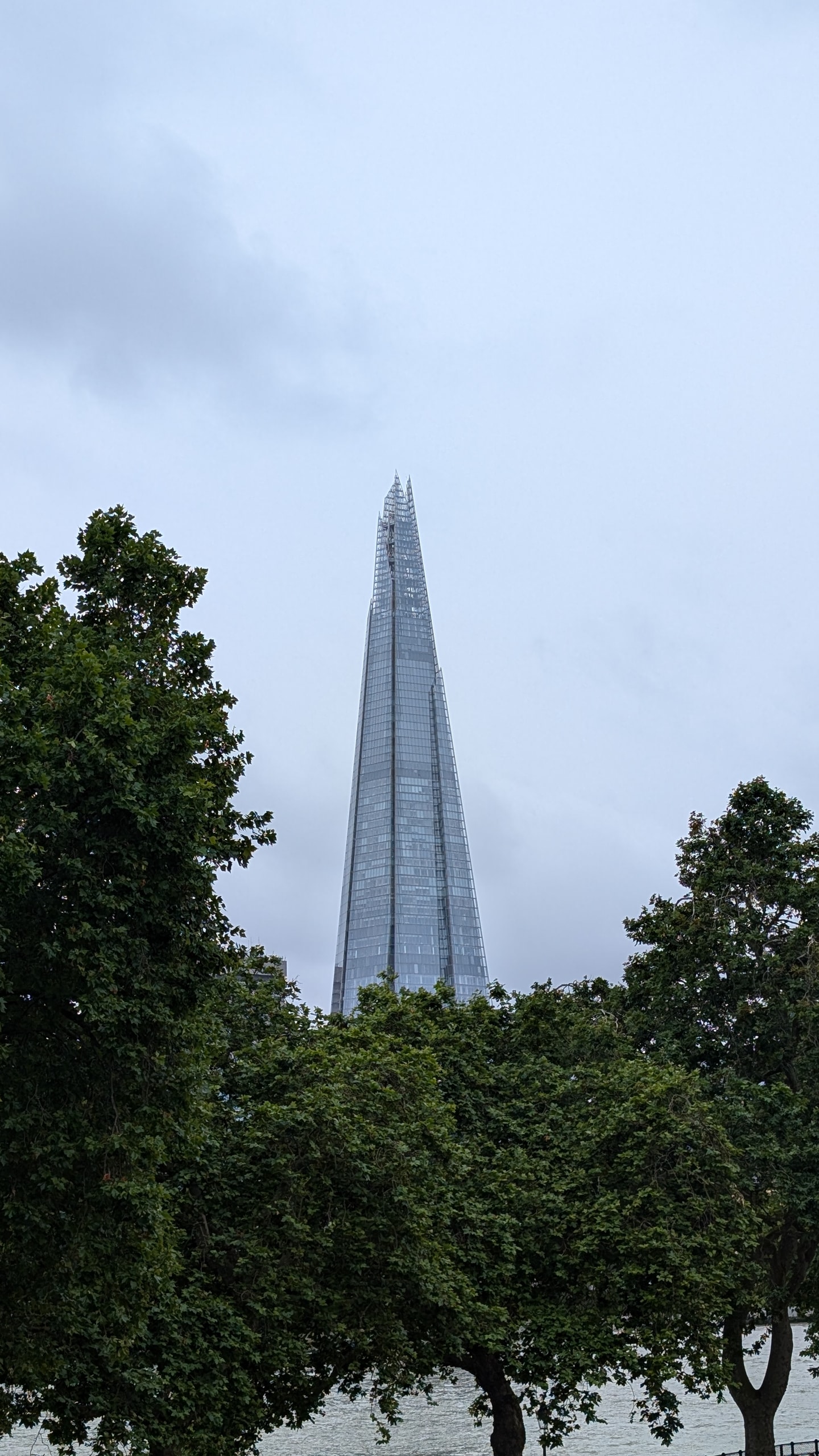
Skip it. On a cloudy day, and London has plenty, you pay to stand inside the cloud. Book a free slot at Horizon 22 instead. It is a viewing floor 254 metres up, on level 58 of 22 Bishopsgate in the City, just across the river. Free tickets come out every Monday for the next two weeks, and a few walk-in places are kept each day. From up there, the Shard is part of the view.
For lunch, Borough Market sits under the railway arches just west of the Shard. Go before noon on a weekday. At Saturday lunchtime you shuffle between stalls holding a paper tray above your head. A hot sandwich or a bowl of curry costs £10-14 ($13-19).
The South Bank walk to Shakespeare's Globe
From the market, drop down to the river and follow the path west. It takes about fifteen minutes to reach the Globe. On the way you pass the Golden Hinde, a full-size copy of Francis Drake's ship sitting in a tiny dock, then the rose window left from the ruins of Winchester Palace on Clink Street, and the Anchor pub under Southwark Bridge.
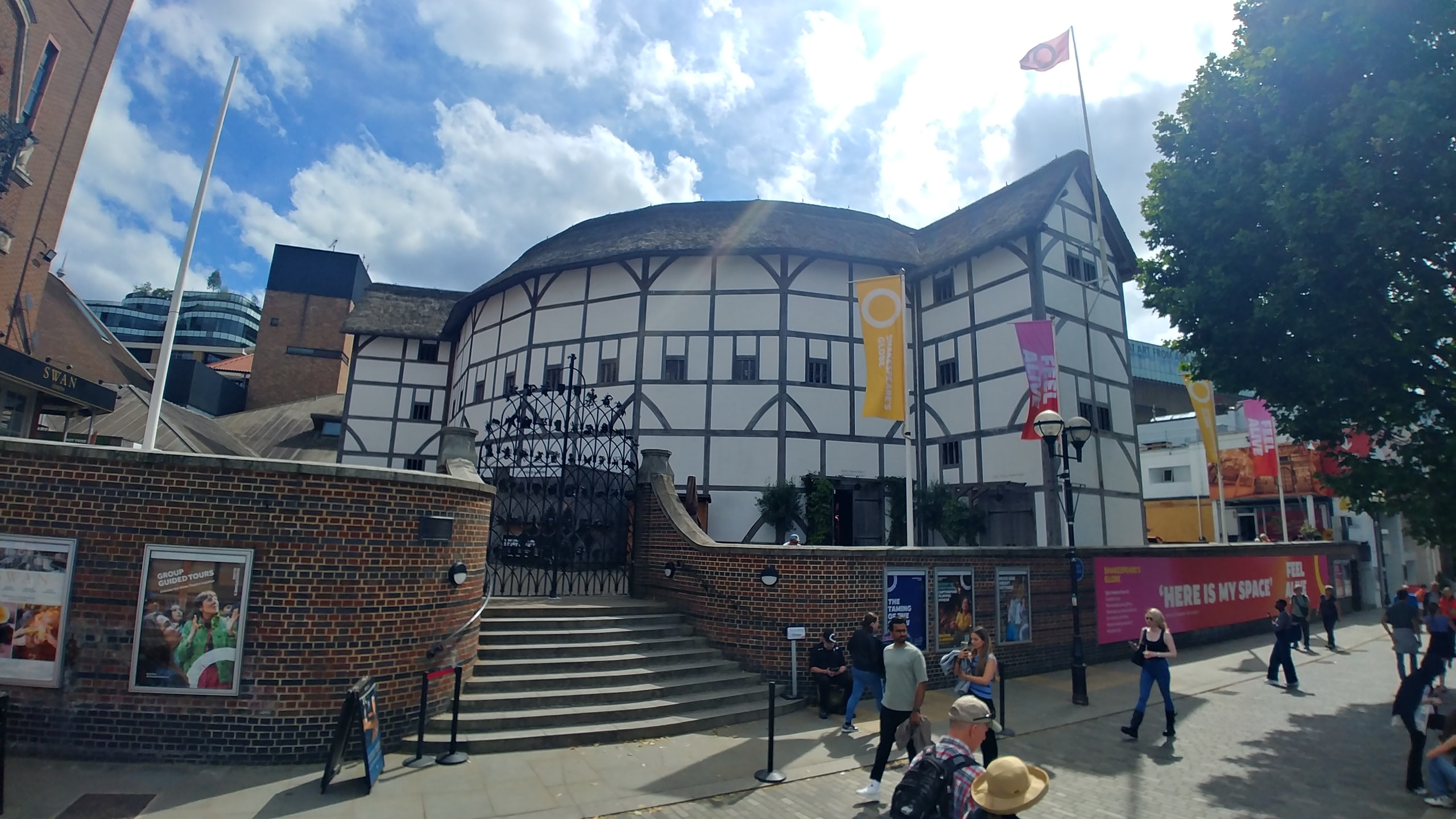
The Globe is a copy of Shakespeare's open-air theatre, built in 1997 about 230 metres from where the original stood. Skip the daytime tour and come back for a play. The summer season runs from May to October, and the cheapest way in is the yard, where you stand in front of the stage like the poorest audience did in 1600. Some yard tickets cost £5 ($7). A batch is released every Friday at 11 a.m. for the following week, and they go fast. Standing for nearly three hours is harder than it sounds. Umbrellas are not allowed in the yard because they block the view, so if it rains you get wet or buy a poncho.
Millennium Bridge and St Paul's Cathedral
Just past the Globe, the Millennium Bridge crosses the river on a line pointing straight at St Paul's. It is a steel footbridge that opened in June 2000 and shut two days later because it swayed under the crowds. It was fixed and reopened in 2002, but Londoners still call it the wobbly bridge.
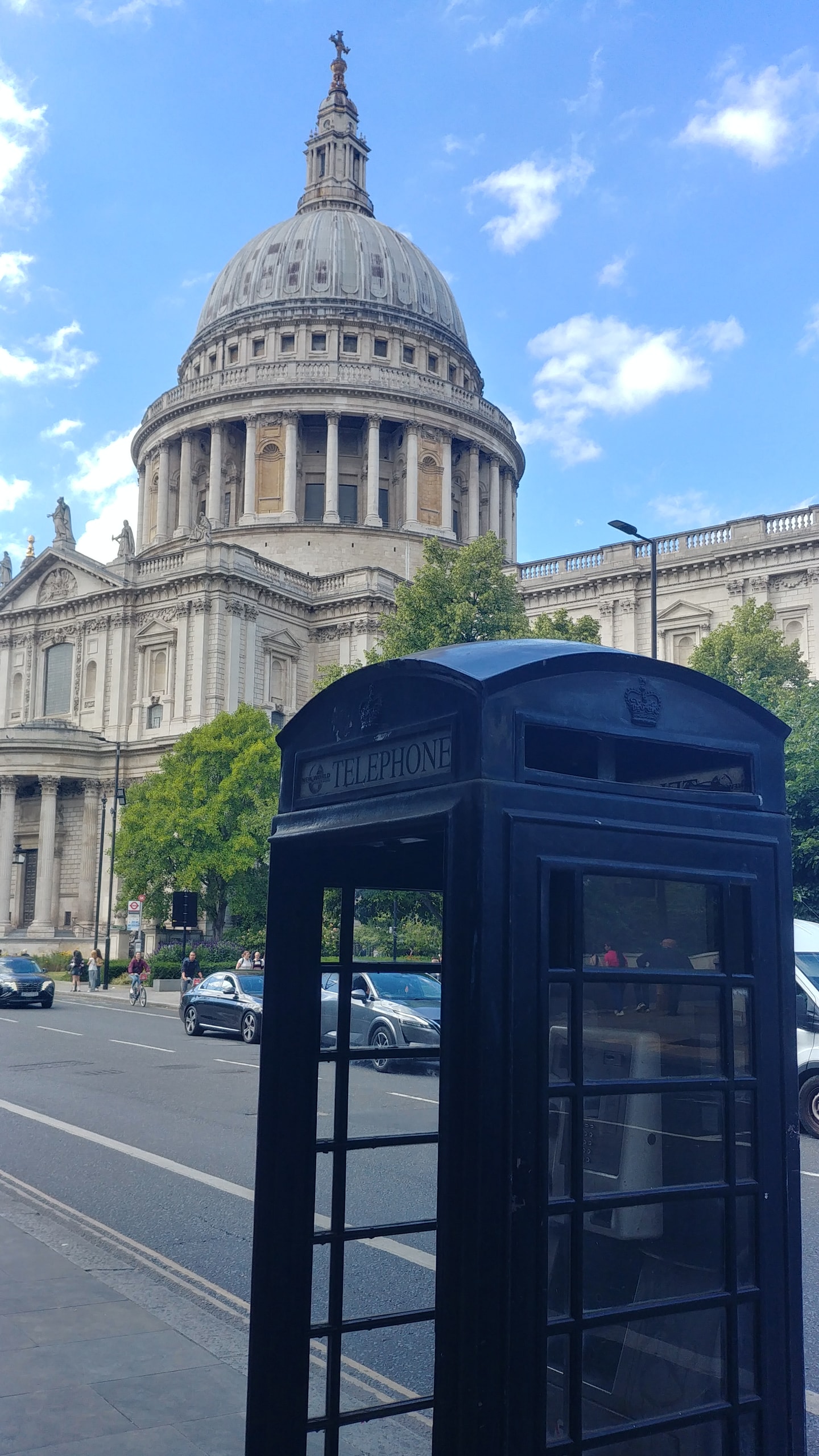
Christopher Wren designed St Paul's after the old cathedral burned in the Great Fire, and it was finished in 1710. A sightseeing ticket costs £27 ($36) and covers the floor, the crypt and the dome galleries. It is 257 steps up to the Whispering Gallery inside the dome and 528 to the Golden Gallery outside at the very top.
The free way in is Choral Evensong, the sung evening service, at 5 p.m. Monday to Saturday. It lasts about 45 minutes and you sit under the dome while the choir sings. You cannot wander around or take photos, and you should stay to the end. If you want the climb, pay. If you want to hear the building, go to Evensong. Then eat, and head out again at nine.
Westminster and Big Ben after 9 p.m.
In the daytime Parliament Square is traffic, tour groups and a line of people photographing Big Ben from the same corner. In June and July the sun sets around 9:20 p.m. By then most of the groups have gone, and the floodlights come on along the Palace of Westminster.
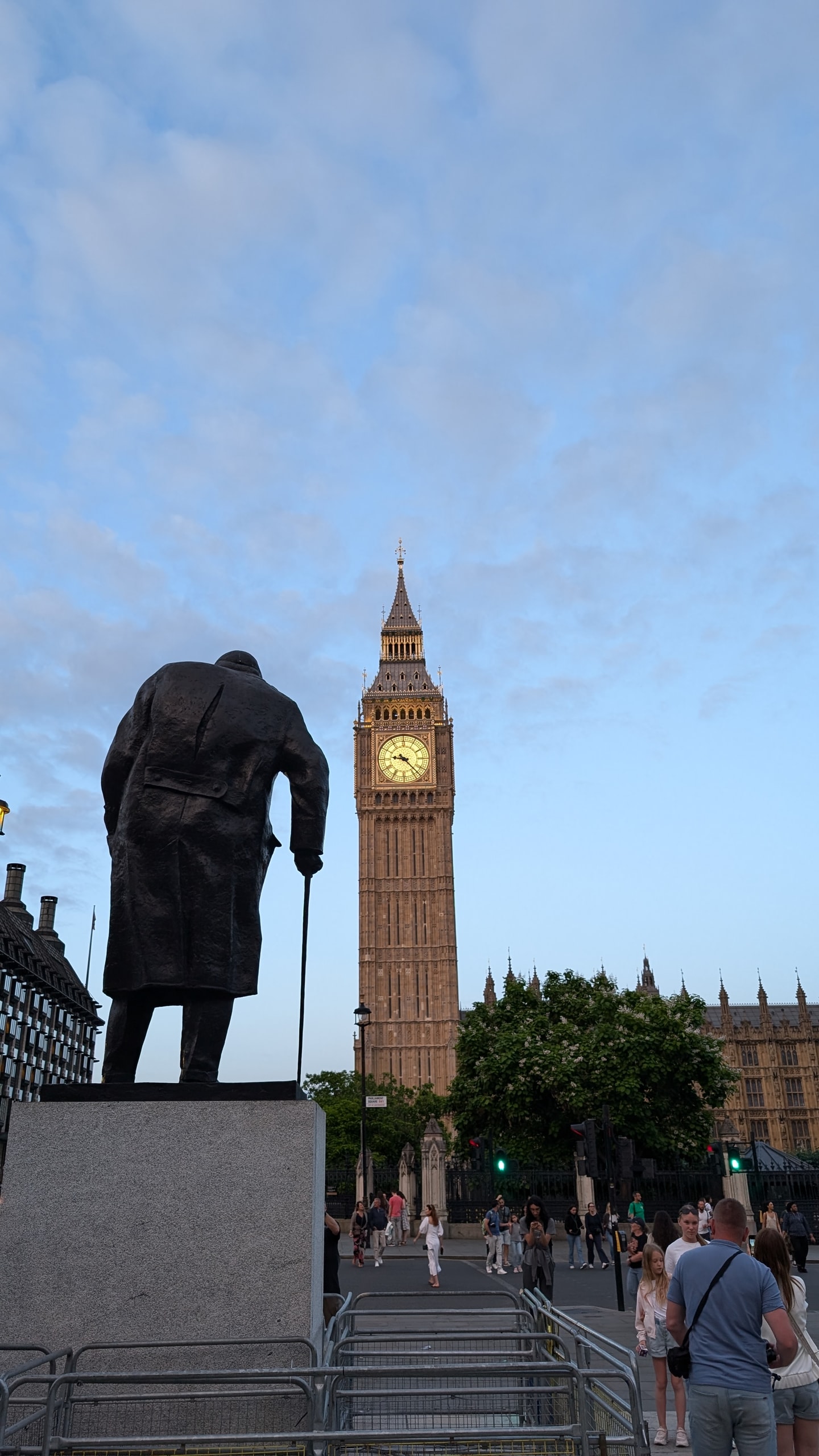
Big Ben is the name of the bell. The 96-metre tower is officially the Elizabeth Tower, and it came out of a five-year restoration in 2022 with its dials painted back to their original blue and gold. In the square, a bronze Winston Churchill leans on a stick and looks up at it.
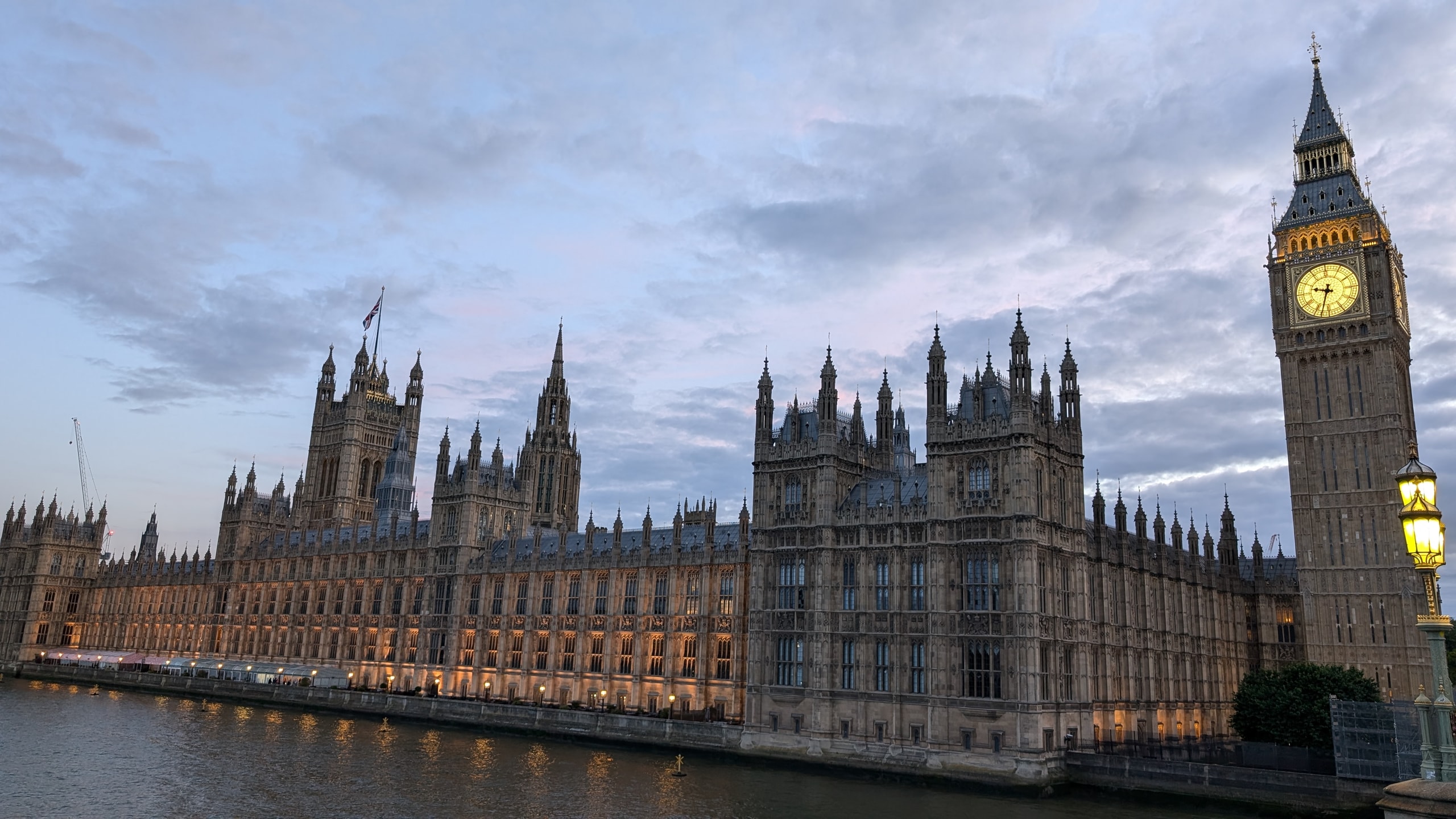
Then walk out onto Westminster Bridge and look back. From there you see the whole river front of the Palace at once, with Big Ben at one end and the Victoria Tower at the other. The photo at the top of this page was taken from the bridge at half past nine at the end of June.
You can also go inside for free. When Parliament is sitting, usually Monday to Thursday, anyone, including overseas visitors, can queue at the Cromwell Green entrance and watch debates from the public galleries. Expect airport-style security and a wait of up to an hour. Check sitting days on the UK Parliament visitor pages before you go. It works much like the free Reichstag dome in Berlin: a working parliament you can watch for nothing if you plan a little.
Buckingham Palace at night, not at 11 a.m.
From Westminster, walk through St James's Park to Buckingham Palace. It takes fifteen to twenty minutes along the lake, where pelicans have lived since 1664.
Most visitors come for the Changing of the Guard at 11 a.m. on set days, and by a quarter past ten the crowd at the railings is ten people deep. You mostly see bearskin hats over other people's phones. If you want to see soldiers, the mounted guard change at Horse Guards Parade on Whitehall happens every day at 11 a.m. (10 a.m. on Sundays), with far fewer people watching.
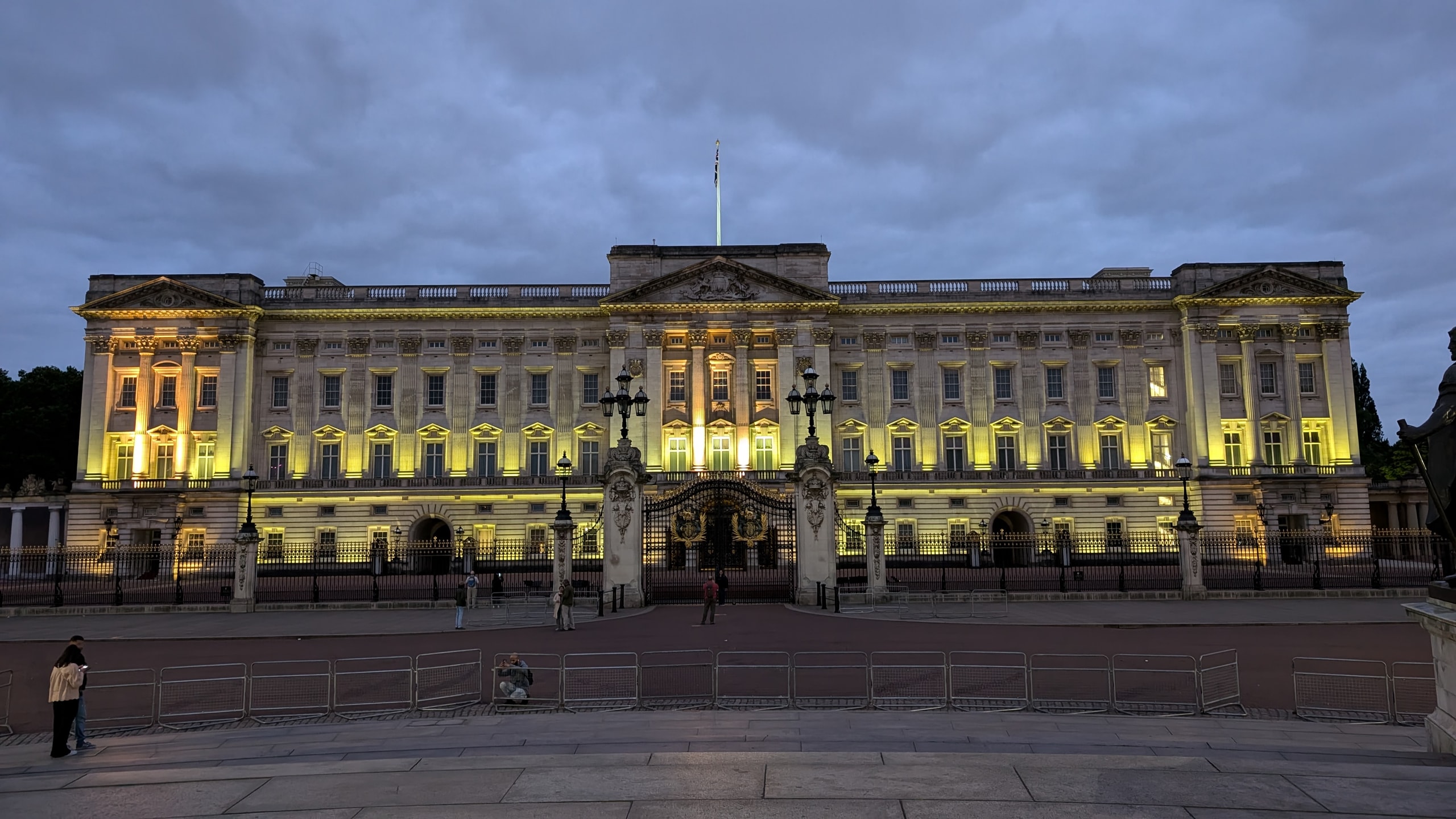
Come at night instead. At ten o'clock on a summer evening the forecourt is almost empty, the front is lit, and you can stand at the gates as long as you like. The State Rooms open for a few weeks in late summer, with tickets over £30 ($40). Unless you love royal interiors, the outside after dark is enough.
The British Museum for a grey morning
Save the British Museum for the morning it rains. It is free, open 10 a.m. to 5 p.m. (8:30 p.m. on Fridays), and big enough to fill a whole day. In summer, book a free timed slot on the British Museum website. You can walk in without one, but the queue is longer.
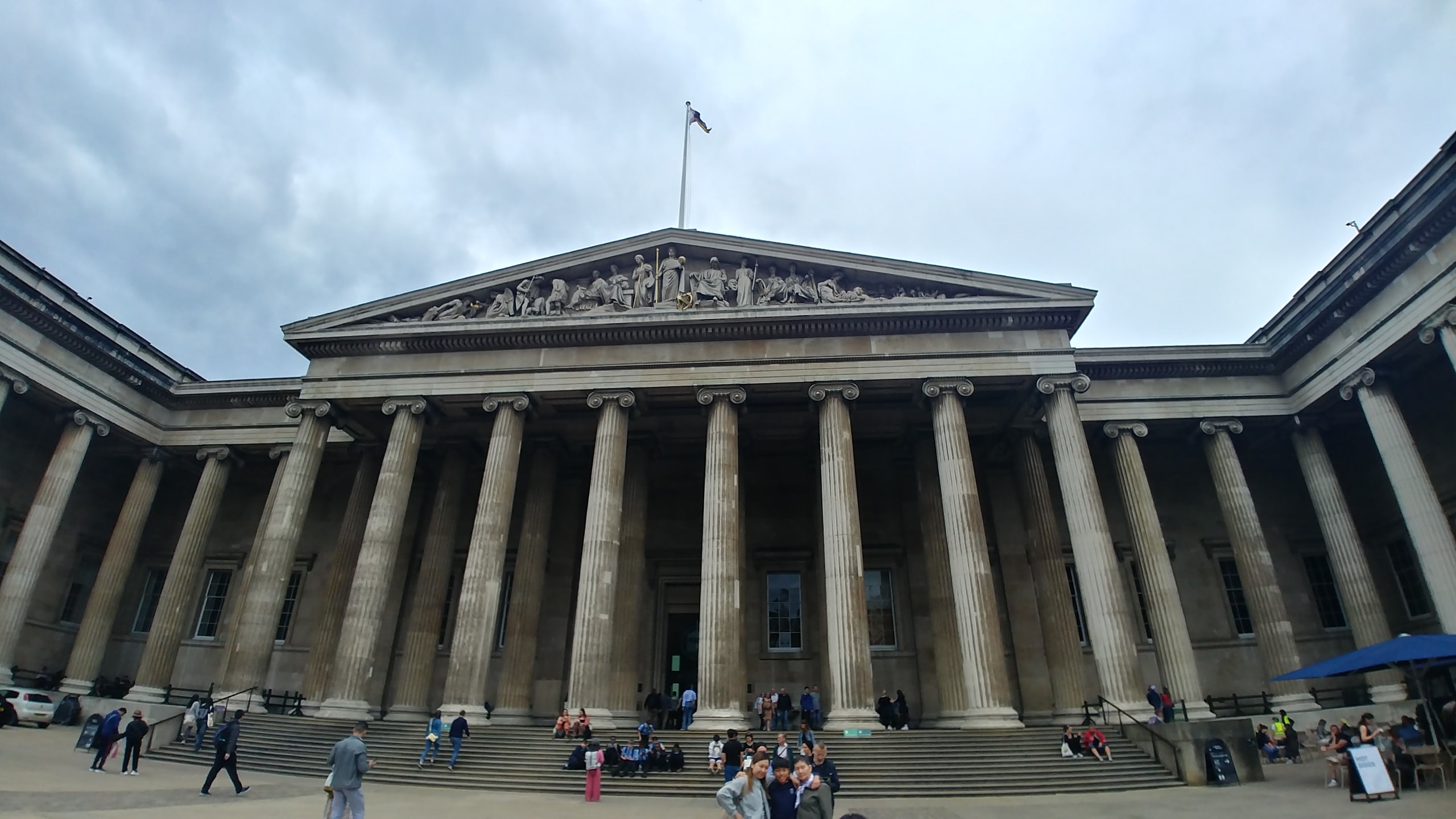
Nearly everyone heads for the same three things: the Rosetta Stone in Room 4, the Parthenon sculptures in Room 18, and the Egyptian mummies upstairs. The Rosetta Stone sits near the entrance, so by half past ten you cannot see it for people. Go the other way. At opening, take the stairs straight up to Rooms 62 and 63, and save the ground floor for after lunch.
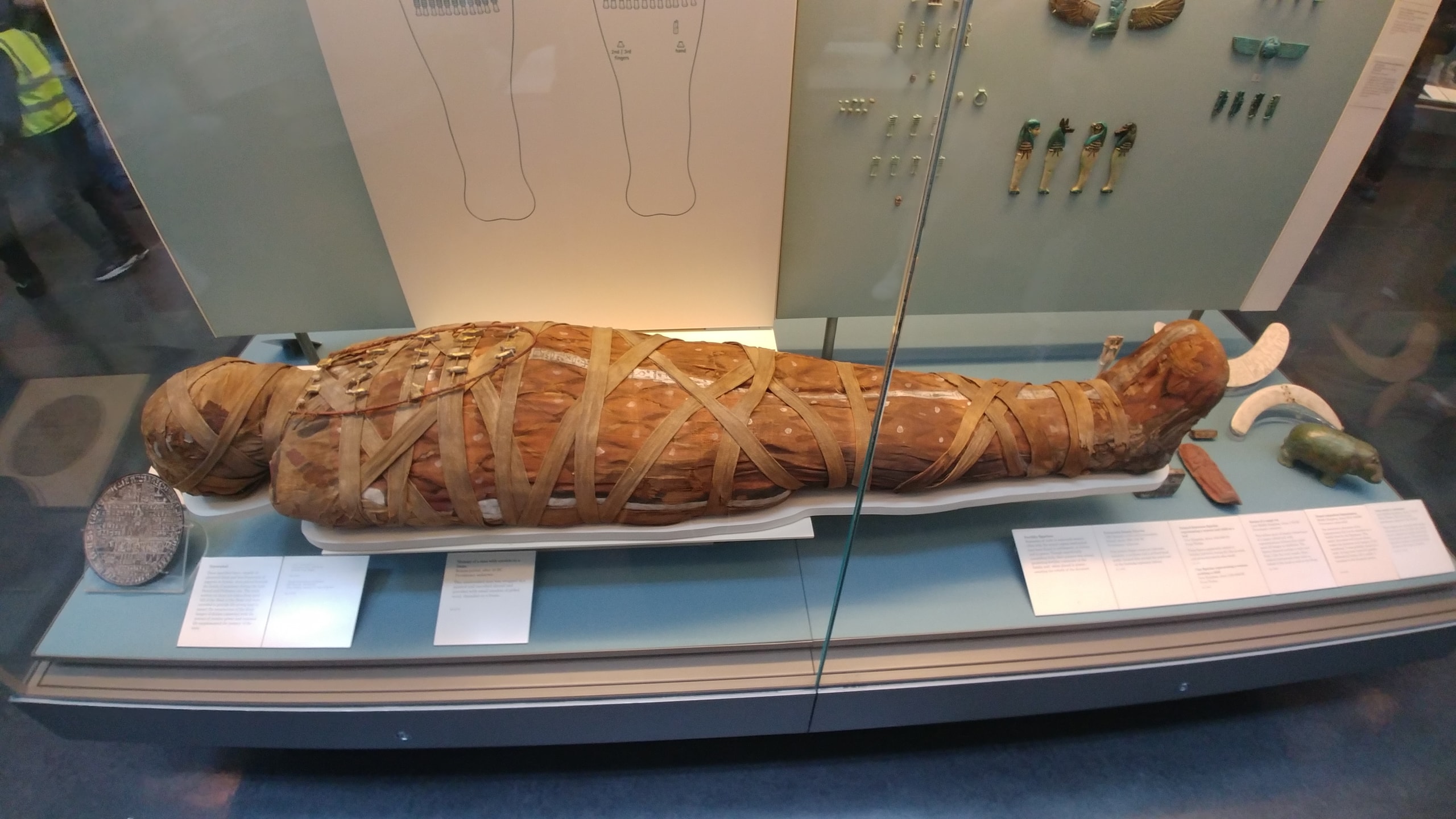
The upstairs rooms hold dozens of mummies and painted coffins, with the charms and small figures buried alongside them. It is hard not to feel a little odd walking past. Much of the collection was taken from other countries, and Greece has asked for the Parthenon sculptures back for decades.
Two to three hours is enough for most people. If the bag check queue at the front gate is long, walk round to the back entrance on Montague Place.
What London costs
London is expensive, and hotels are the worst of it. A plain double at a chain like Premier Inn or Travelodge in zones 1 and 2 runs £110-180 ($150-240) a night in summer. A good independent hotel in the centre is £200-300 ($270-400). That is close to what you pay for three nights in Oslo, which few people call cheap. Staying near a Tube station in zone 2 saves real money and adds about fifteen minutes each way.
Getting around is easy, and you do not need an Oyster card. Tap a contactless bank card or phone on the yellow reader at every gate and bus, and spending is capped at £8.90 ($12) a day in zones 1 and 2. Tap the same card in and out, or you pay two full fares. A single Tube ride costs £3-3.60 ($4-5), and a bus under £2 ($2.60). From Heathrow, the Piccadilly line reaches central London in about an hour for around £6 ($8). The Elizabeth line is faster and costs about £13 ($17).
A supermarket meal deal, with a sandwich, a snack and a drink, costs about £4 ($5.50). A pub main and a pint run £25-30 ($34-40). Many restaurants add a 12.5% service charge to the bill, so check before you tip on top.
A day with one paid sight, transport, a pub dinner and a mid-range room comes to $300-400 for one person, and a good deal less each for two sharing.
When to go, and how many days
Go in late June or early July. It does not get properly dark until after ten, so each day has room for a whole second walk in the evening. Temperatures sit around 18-25°C (64-77°F), and the sky can change several times a day.
Pack a light waterproof every day, even when the morning looks clear. Umbrellas are useless on the windy bridges.
April, May and September are quieter and a little cheaper, with sunsets between 7 and 8 p.m. August is the school holiday and the busiest month at the Tower and the palace. In winter it is dark by four, which kills the evening walk but not the museums.
Two full days cover everything above at a walking pace. A third lets you add a play at the Globe or a river bus to Greenwich. If you only get one evening, spend it on Westminster Bridge at half past nine, with the lights coming on along Parliament.